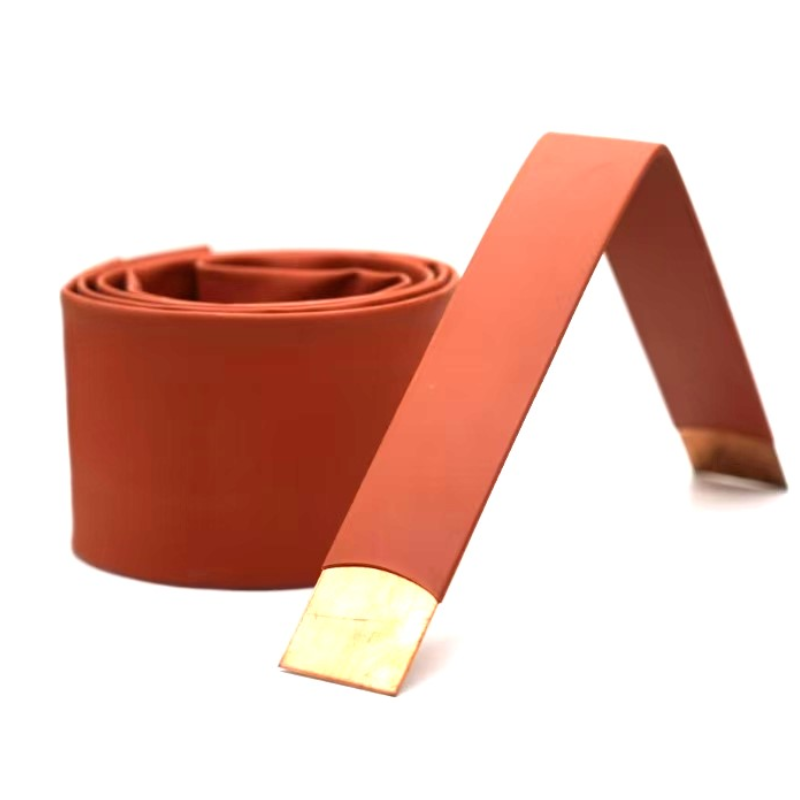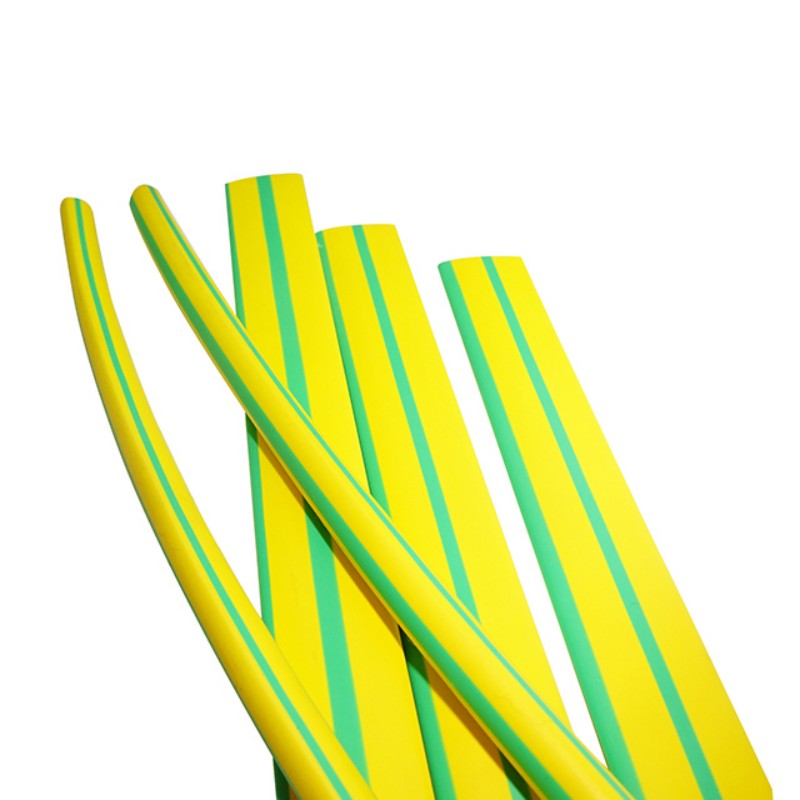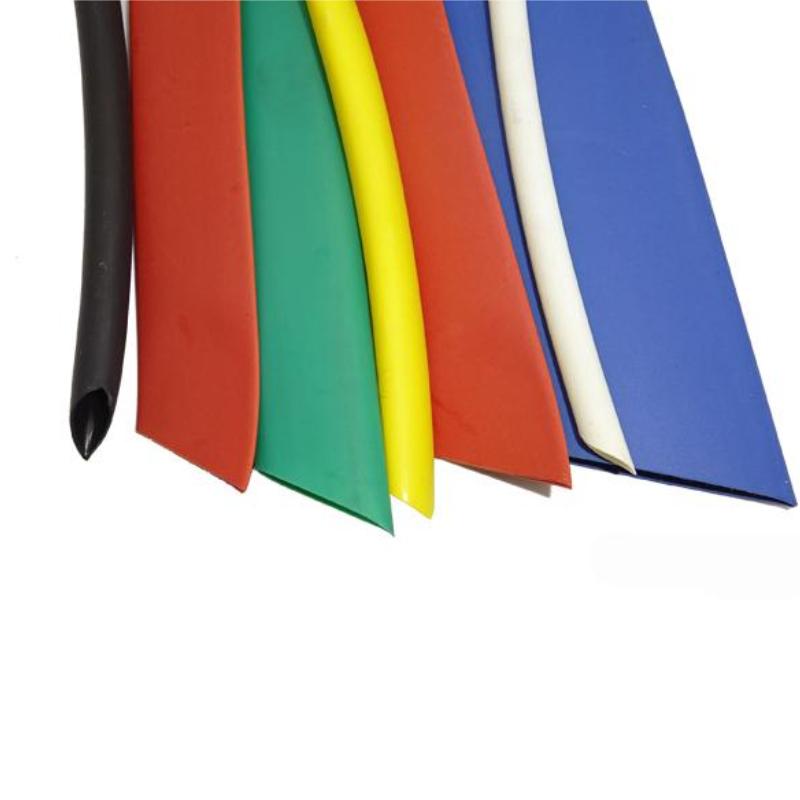
Heavy Wall Heat Shrink Sleeves

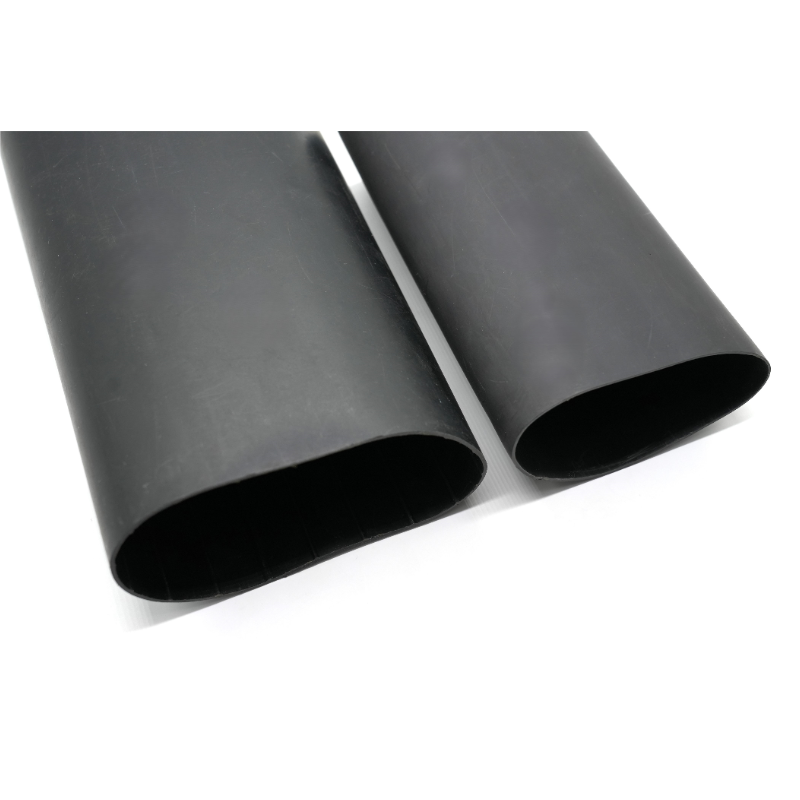
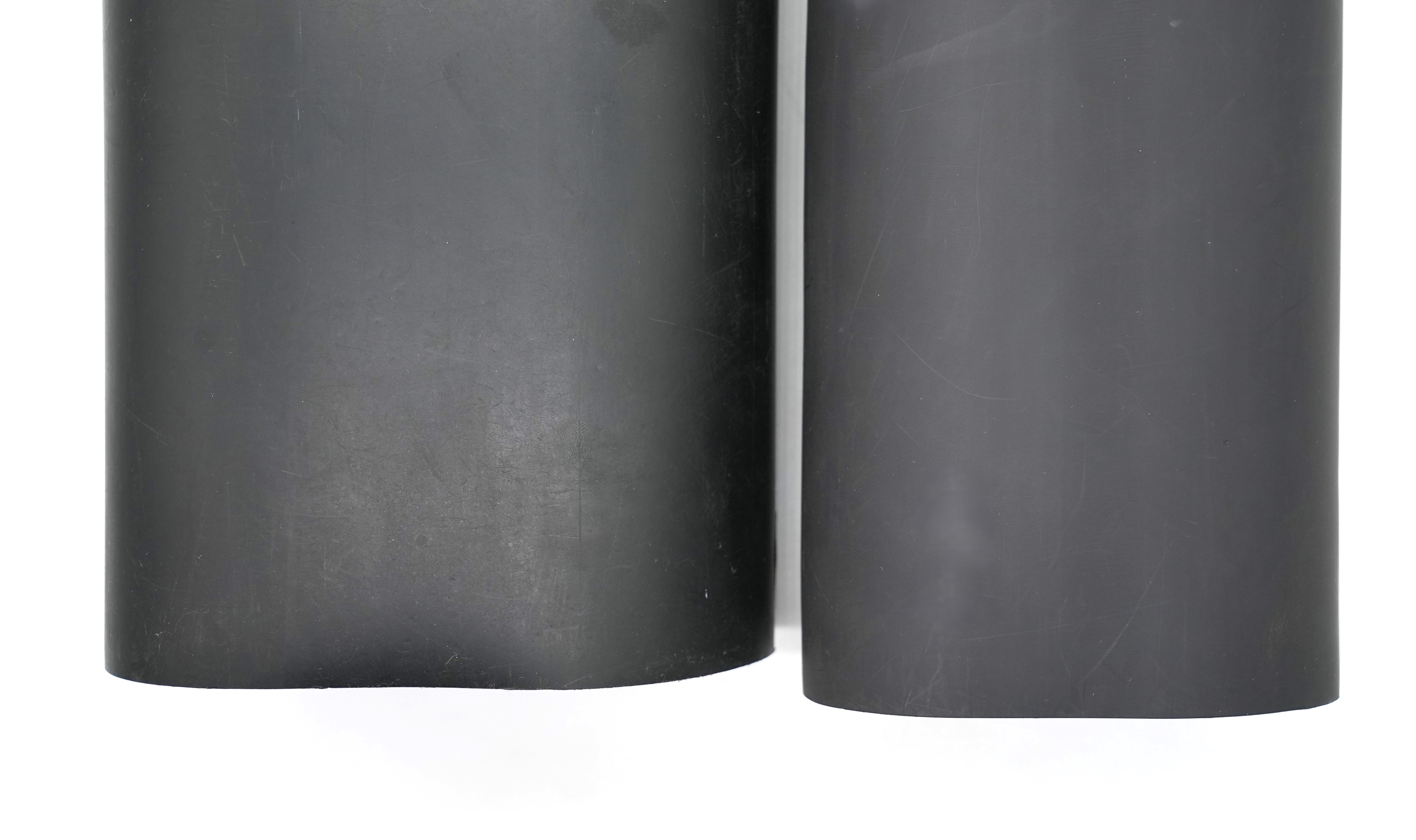
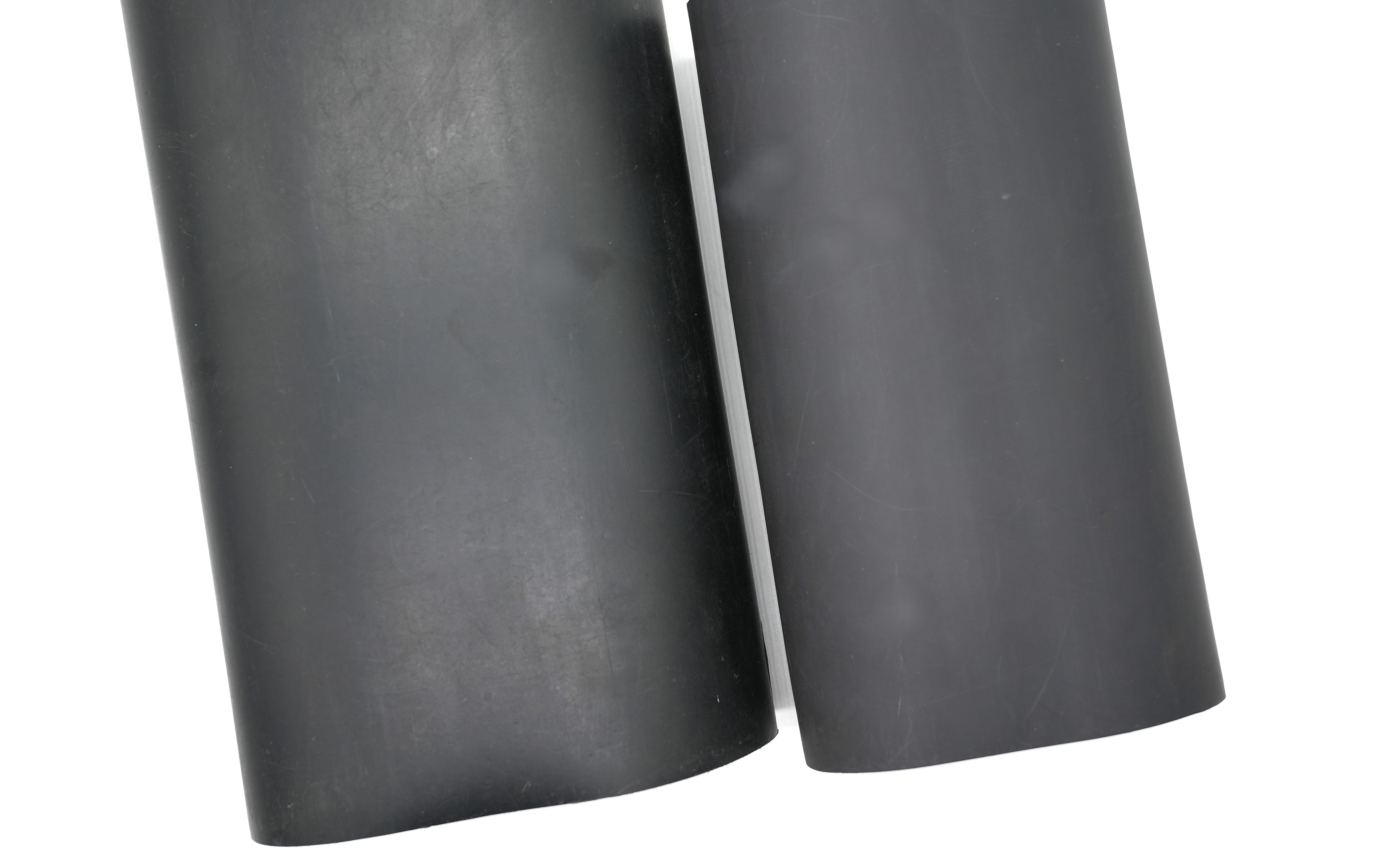
- CCMT
- CHANGCHUN,CHINA
- Based on the order quantity
- 5 million meters per month
1. Heavy wall heat shrink offers two-way protection: a tough layer that can withstand impacts on the outside and a layer of hot melt adhesive sealant on the inside, that together give you mechanical protection plus waterproof insulation.
2. The industrial strength heat shrink tubing can be used within a wide range of temperatures (-45℃~125℃) and has been rated at 600 volts, hence, it is a reliable choice in challenging environments.
3. Our heavy wall heat shrink products are ideal for power generation, oil & gas, industrial automation, and automotive sectors that call for strong protection and sealing capabilities.
With continuous exposure to vibration, pulling, twisting, mechanical impact, and so forth, electrical joints will be a weak point of joints, leading to, e.g., sheath cracking, loosening, and even breaking of wires. Ordinary wrapping tape or regular insulated tubes often have weak adhesive property and low resistance to tearing so that under permanent stress the tape and tube can age and separate. This could potentially reduce the service life of the wires, be one reasons for recurrent unforeseen breakdowns, and influence the uninterrupted and safe running of the units.
Our heavy wall heat shrink tubing helps resolve the problem. Due to its thick walls, it provides outstanding resistance to compression, tension, and impact. In addition, the very strong adhesion force developed when the inner hot-melt adhesive is cured keeps the tube and the cable together firmly, and it resists dynamic stresses, such as vibration, bending, and stretching. This prevents the sheath from slipping or getting loose, and at the same time, it provides cable ends that are physically strong and well-protected, hence ensuring the durability of a joint through a cable.
Product Introduction:
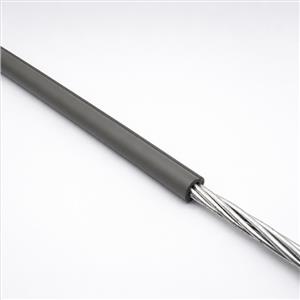
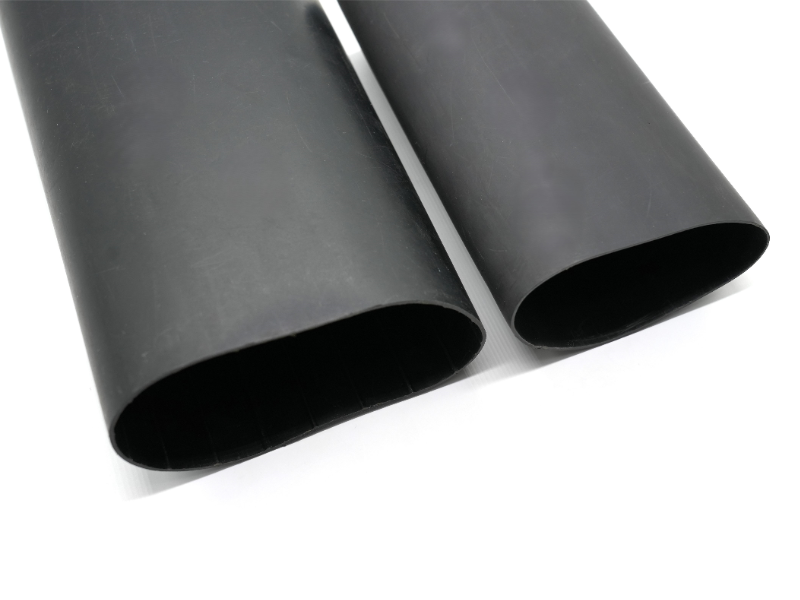
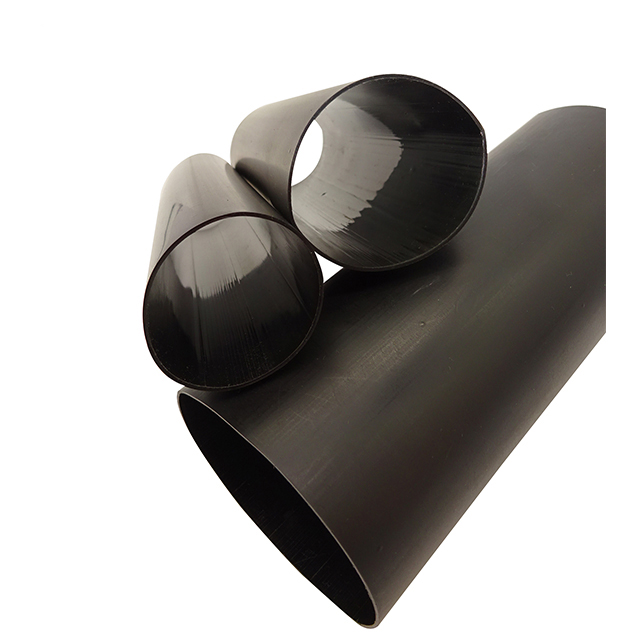
Heavy wall heat shrink is a multi-layer heat shinking product. One side of the product is made up of polyethylene, providing insulation and physical protection and the other side is a hot melt adhesive. When it is heated outer side shrinks and inner adhesive is melted and both layers combine very well, which results in a waterproof and tight sealing, at cable joints or connectors. The construction gives it a great degree of resistance to compression, pull, impact, and sticking as well, besides, the seal it gives is waterproof which means that in a way is a good insulation. It shields the wrapped section very efficiently from a wide array of possible damages through impacts, friction and moisture. It is frequently used in the automotive, electrical and the industries for cable protection.
Product Parameters:
| Size | As Supplied | After Recovery | ||||
| mm | Intermal Diameter(mm) | Internal Diamter | Tube Wall Thickness | Adhsive Thickness | Total Thickness | Standard Length(M/pc) |
| 9/3 | ≥9 | ≤3 | 2.0±0.20 | 0.35±0.1 | 2.30±0.25 | 1.22 |
| 13/4 | ≥16 | ≤4 | 2.4±0.20 | 0.35±0.1 | 2.75±0.25 | 1.22 |
| 20/6 | ≥19.1 | ≤6 | 2.5±0.20 | 0.40±0.1 | 2.90±0.25 | 1.22 |
| 28/9 | ≥25 | ≤9 | 2.5±0.20 | 0.40±0.1 | 2.90±0.25 | 1.22 |
| 33/10.2 | ≥33 | ≤10.2 | 3.2±0.25 | 0.40±0.1 | 3.60±0.25 | 1.22 |
| 38.1/12 | ≥38.1 | ≤12 | 3.4±0.20 | 0.60±0.15 | 4.00±0.30 | 1.22 |
| 43.1/12.7 | ≥43.2 | ≤12 | 4.3±0.20 | 0.70±0.35 | 5.00±0.35 | 1.22 |
| 51/16 | ≥51 | ≤16 | 4.3±0.20 | 0.70±0.35 | 5.00±0.35 | 1.22 |
| 70/21 | ≥70 | ≤21 | 4.3±0.20 | 0.70±0.35 | 5.00±0.35 | 1.22 |
| 85/25 | ≥85 | ≤25 | 4.3±0.20 | 0.70±0.35 | 5.00±0.35 | 1.22 |
| 105/30 | ≥105 | ≤30 | 4.3±0.20 | 0.70±0.35 | 5.10±0.35 | 1.22 |
| 120/39 | ≥120 | ≤39 | 4.3±0.20 | 0.70±0.35 | 5.10±0.35 | 1.22 |
| 140/42 | ≥140 | ≤42 | 4.3±0.20 | 0.70±0.35 | 5.10±0.35 | 1.22 |
Product Performance Indicators:
| Property | Test Method | Standtard |
| Tensile Strength(Mpa) | ASTM D 2671 | ≥10.4 |
| Elongation(%) | ASTM D 2671 | ≥ 300 |
| Density(g/cm³) | ASTM D 792 | 1.2 |
| Longitudinal Change(%) | UL224 | ≤±10 |
| Elongation after Aging(%) | UL224 158℃×168hrs | ≥ 200 |
| Heat Shock | UL224 225℃×168hrs | No cracking |
| Dielectric Strength(kv/mm) | IEC 243 | ≥ 20 |
| Volume Resistivity(Ω·cm) | IEC 93 | ≥ 1014 |
| Water Absorption(%) | ASTM-D570 | ≤0.5 |
| Property | Test Method | Standtard |
| Water Absorption | ASTM D570 | ≤0.2% |
| Softening Point | ASTM E28 | 95℃ |
| Peel Strength(PE) | ASTM D1000 | 120N/25mm |
| Peel Strength(AL) | ASTM D1000 | 80N/25mm |
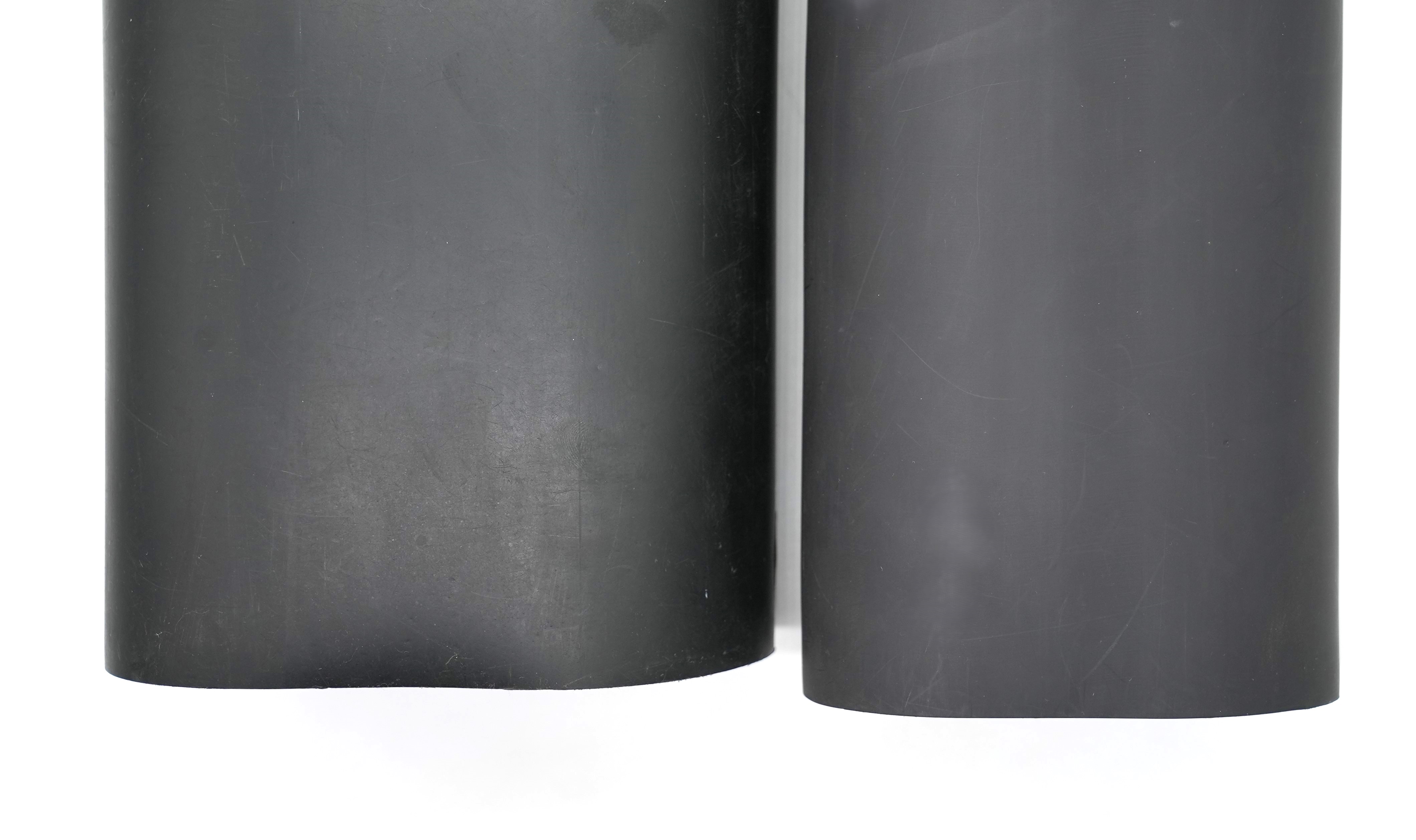
Advantages of Heavy Duty Heat Shrink Tubing:
1. Its strong, thick-walled structure makes it capable of enduring heavy mechanical stress, and hence it resists well against compression, tension, and impact. It is due to the fact that the cable joints are well protected against damage from the outside.
2. Thick wall heat shrink tubing provides a high degree of resistance to changes in temperature as well as being thermally stable. It has a running temperature range from -45℃ up to 125℃ without stop and is rated at 90℃ operating temperature. This heat insulation material can survive very hot and very cold climates and the 125℃ shrinkage temperature makes the fitting work very convenient.
3. Heavy duty heat shrinkable pipes are a dependable way when it comes to electrical insulation and sealing. These products are rated at 600V and will satisfy standard industrial insulation requirements. The addition of optional thermoplastic adhesive layers will ensure that a tight seal is formed once the product is shrunk. With this, the product offers total protection against moisture, water, and environmental factors.
4. With the help of our integrated heat shrink heavy duty tubing design, the mechanical reinforcement, electrical insulation, and environmental isolation can be achieved at the same time with the outer insulation and inner sealing combining forces to work better together.
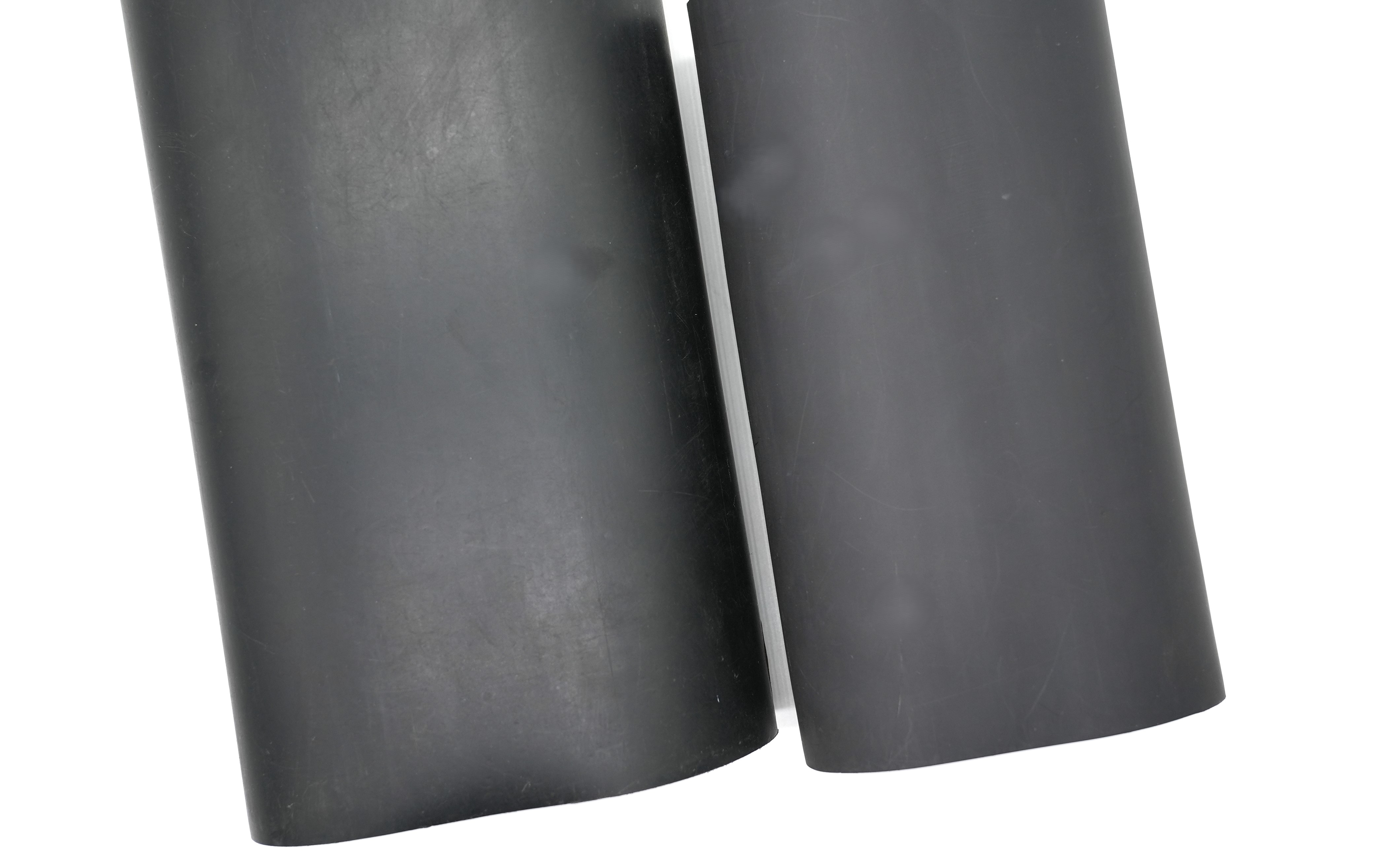
Applications of Thick Wall Heat Shrink Tubing:
· In power systems, it can be a material of choice for covering, insulating, and protecting high-voltage cables, busbars, and connectors. It provides an impervious layer that keeps moisture and contaminants out, and at the same time safeguards the equipment from electrical failures.
· The material is suitable for protecting metallic pipelines, tubing, and wires in industrial factories against mechanical forces, chemical erosion, and weathering. Joint sealing and pipe leak fix-up with it;
· The robust structure of the product makes it suitable for tough working conditions in the oil and gas industry, where such protection of the pipeline, wellhead equipment and downhole cables from impact, corrosion, and chemical erosion is necessary.
· In the automotive and transportation sector, it is used to protect wiring harnesses and conduits against vibration, high temperatures, and abrasion, preventing short circuits and ensuring connection reliability.
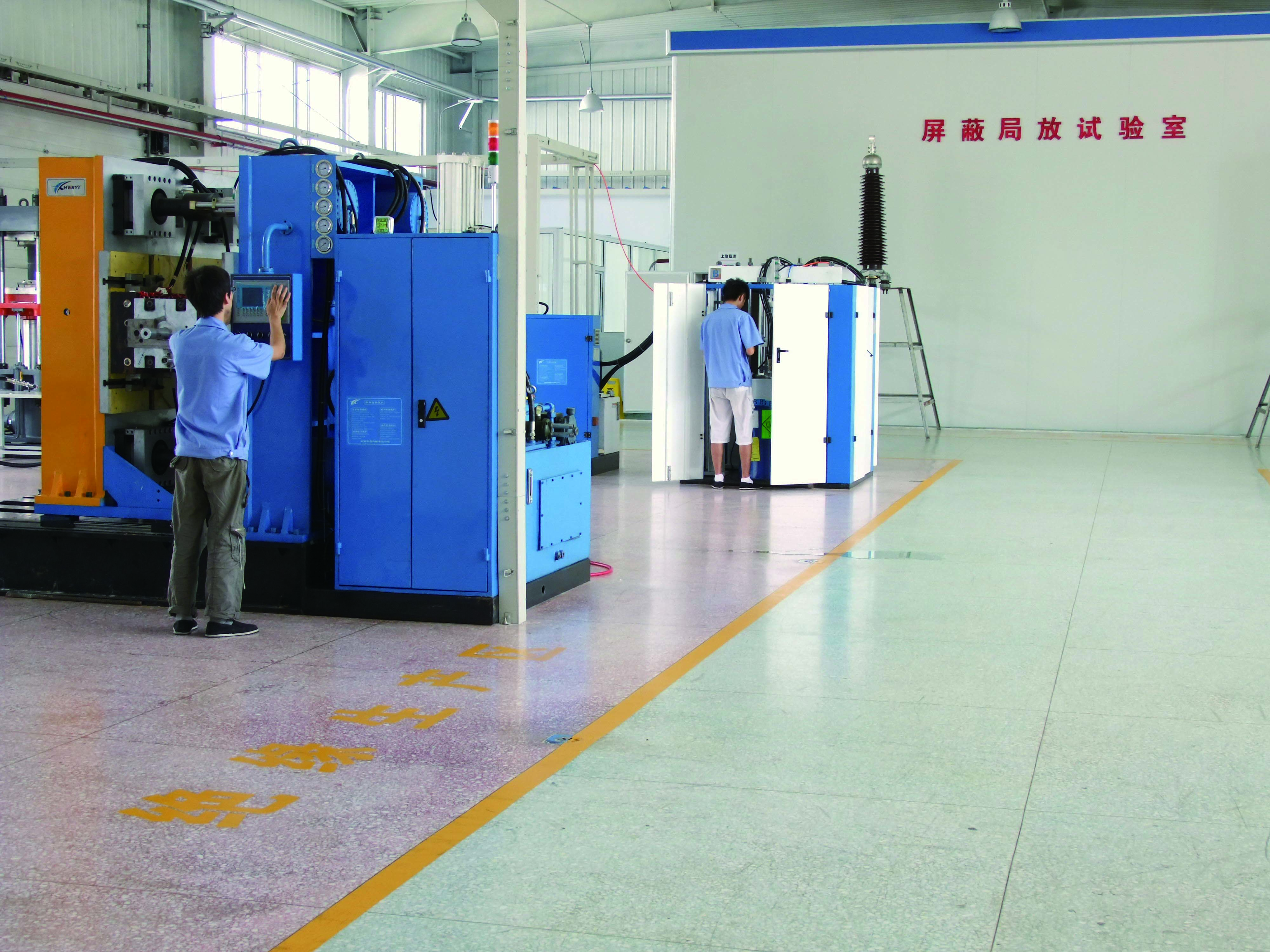
About Us:
Since 1986, my company has been dedicated to producing and supplying cable accessories. We made it big with the help of 40 years of research and development of technology. Now we've a big and reliable source factory. We have about 10,000-square-meters of factory floor with around 200 staff and more than 40 key machines in our production line. Our heat-shrink tubing alone monthly output is 500,000+ meters.
About our cable-end caps, every month we produce 30,000+ pieces (the actual numbers might be different according to product type: for specifics please reach out to us!). Extrusion, molding, injection molding, and expansion are the methods we use to produce our products and by employing that variety we can do both batch production and expedited manufacturing quite easily.
Full Product Line and Compliance Backing:
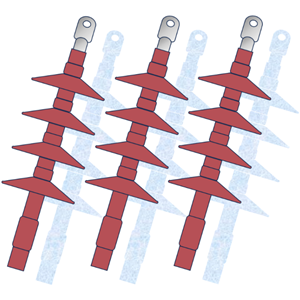
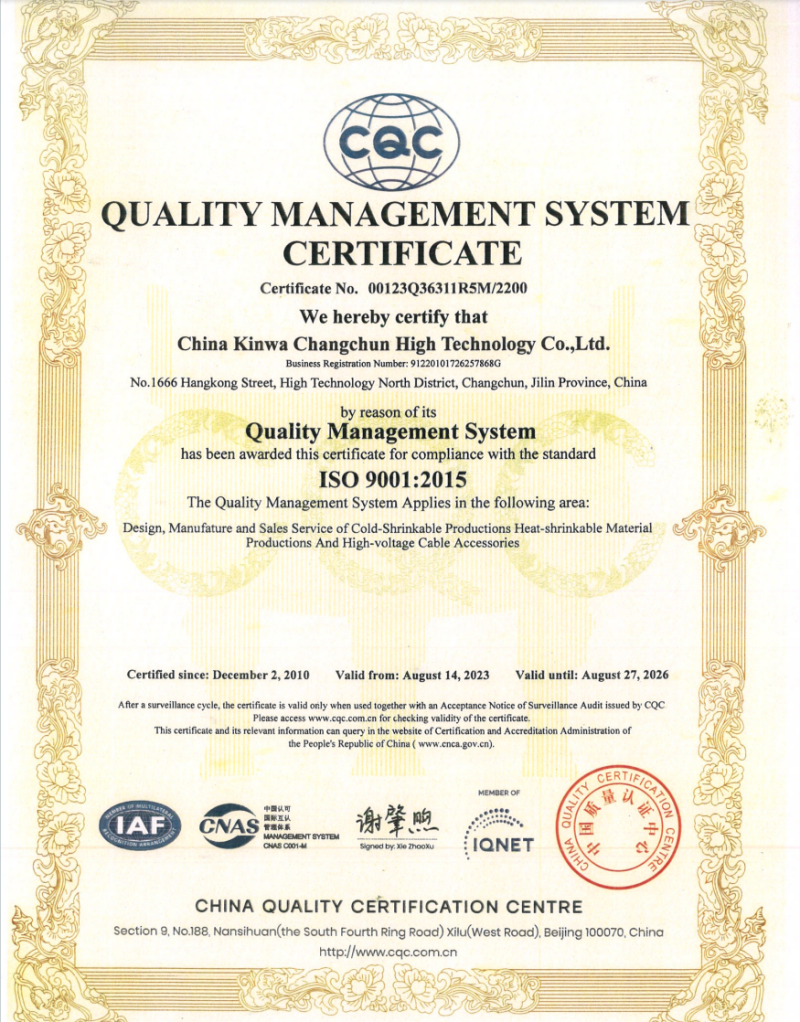
Our offering is a comprehensive one which includes both heat shrink and cold shrink terminals, junction boxes, and accessories. The products are suitable for the high voltage class of up to 220kV. Our facility and product certifications such as ISO 9001 and CE are complemented by third-party type test reports that show the compliance of our products with RoHS and REACH directives. Also, we have received SGS product material safety certification, a certificate that will guarantee that our products are environmentally compliant and can enter various markets.
Long-Term Validation from Leading Global Clients:
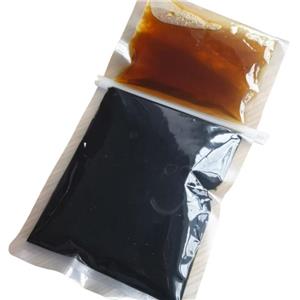
We have exported to numerous countries, serving power and communication substation projects, and maintain long-term partnerships with international companies such as ABB, CANUSA, and SHELL. We have supplied ultra-thick three-layer co-extruded composite tubing to RAYCHEM, customized specialty insulating tape for 3M, and provided tens of tons of potting compound to SHELL. These collaborations demonstrate our continued recognition of the reliability of our technology.
International Exposure and Market Expansion:
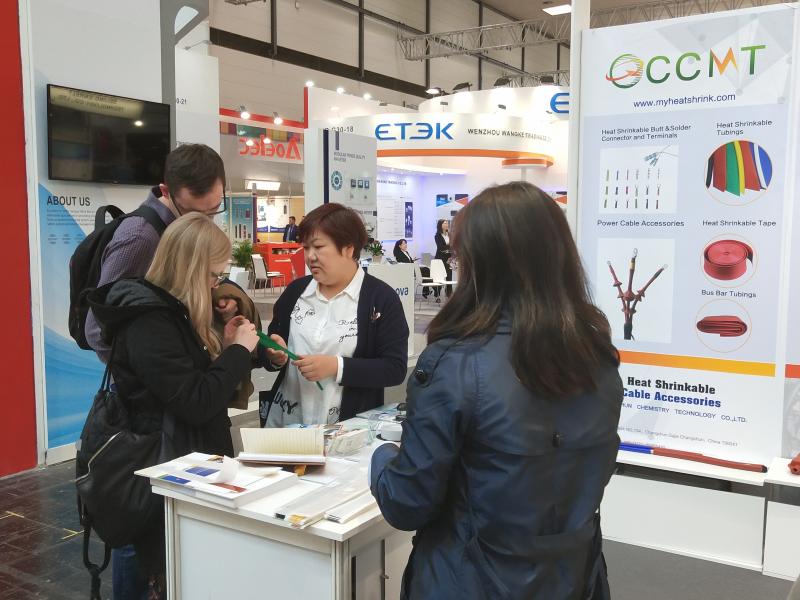
We were very glad that our company was among the 2023 invitees in Hannover Messexpo. At the fair, we displayed our insulation protection products that cater to scenarios involving new energy sources and rail transportation. Our target audience included 4,000 exhibitors and around 130,000 professional visitors coming from across the globe. We believe that our performance at the event helps us further our strategy of establishing business in Europe, the Middle East, and Asia.
FAQ:
1. What is the difference between heat shrink heavy duty tubing and ordinary heat shrink tubing?
Thick-walled heat shrink tubing has a double-layer structure: an outer layer of thick-walled polyethylene and an inner layer with hot melt adhesive; while ordinary heat shrink tubing is mostly a single-layer thin-walled tube. The former provides high-strength mechanical protection and a waterproof seal after shrinkage, while the latter primarily serves an insulating function with a relatively lower protection level.
2. What precautions should be taken during heat shrinkage?
It is recommended to use a hot air gun or oven for uniform heating to avoid localized overheating and damage to the pipe. The seal is complete when the outer layer has completely shrunk and the inner hot melt adhesive has fully overflowed from both ends.
3. How effective is the sealing of the inner hot melt adhesive?
After melting, the inner hot melt adhesive possesses strong adhesion and fluidity, fully filling the gaps at the joint. Upon curing, it forms a completely sealed barrier, effectively preventing the intrusion of moisture, humidity, and contaminants.