Laboratory Testing
Comprehensive Laboratory Equipment——Guardians of Product Quality.
Product quality directly impacts the safety and reliability of electrical systems. Therefore, we have established an advanced testing laboratory to systematically verify all key performance aspects of our products, from material integrity to industry standard compliance. We have built a complete integrated quality control system to ensure that every performance detail undergoes rigorous testing.
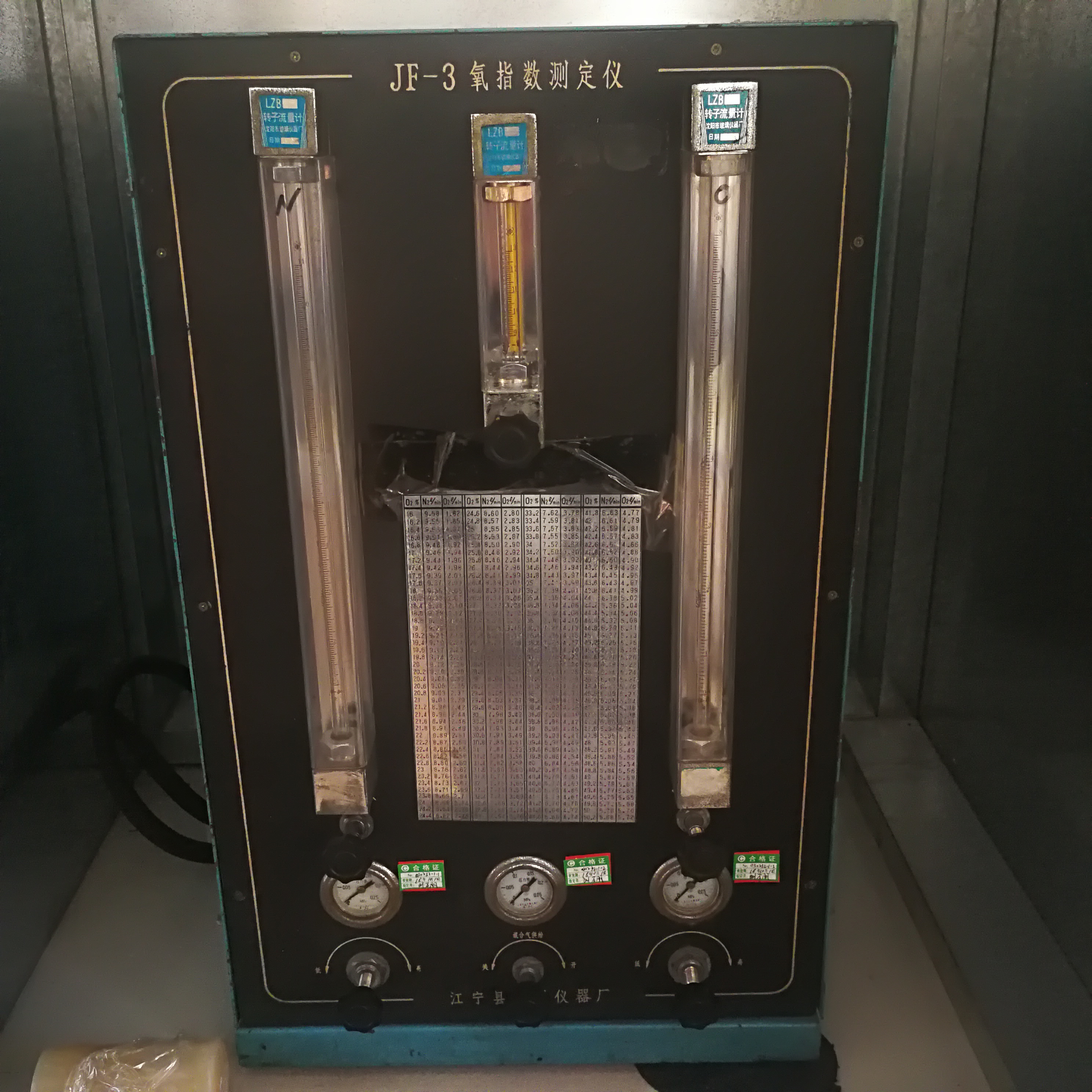
Power Frequency/Impulse High Voltage Testing System:
In the electrical safety verification of high-voltage products, dielectric strength and insulation integrity are the most critical metrics. We have established a high-standard high-voltage testing laboratory, with a core configuration of a power frequency/impulse high voltage testing system.
This system uses a red cylindrical test transformer as its main component, and is equipped with high-voltage dividers, insulation supports, discharge protection spheres, and other devices. It is specifically designed for high-voltage tests such as insulation withstand voltage and lightning impulse tests on power equipment. As a vital testing device within the power system, this system can perform comprehensive electrical performance testing on cable accessories at voltage levels of 220kV and below.
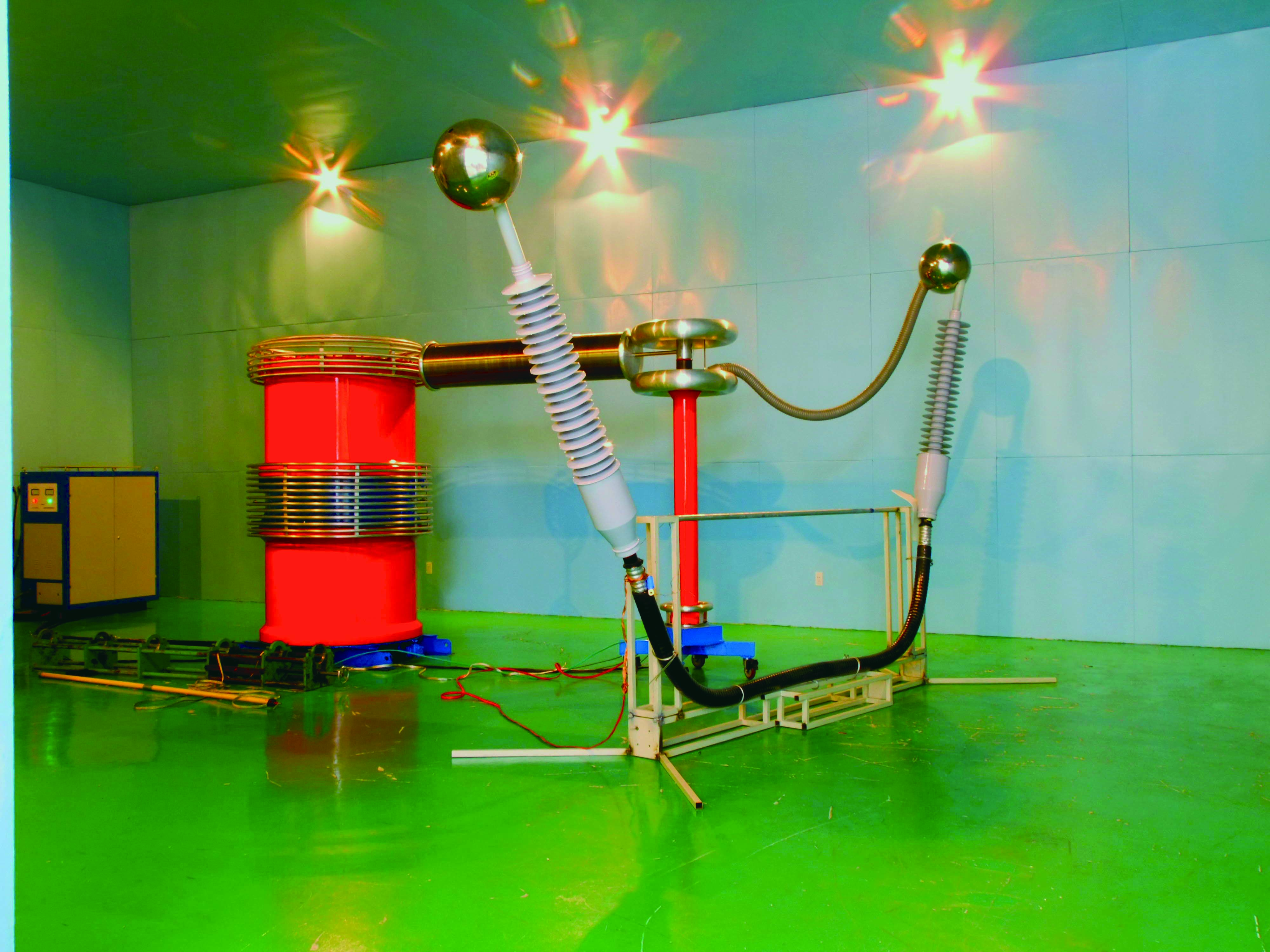
Material Performance Verification:
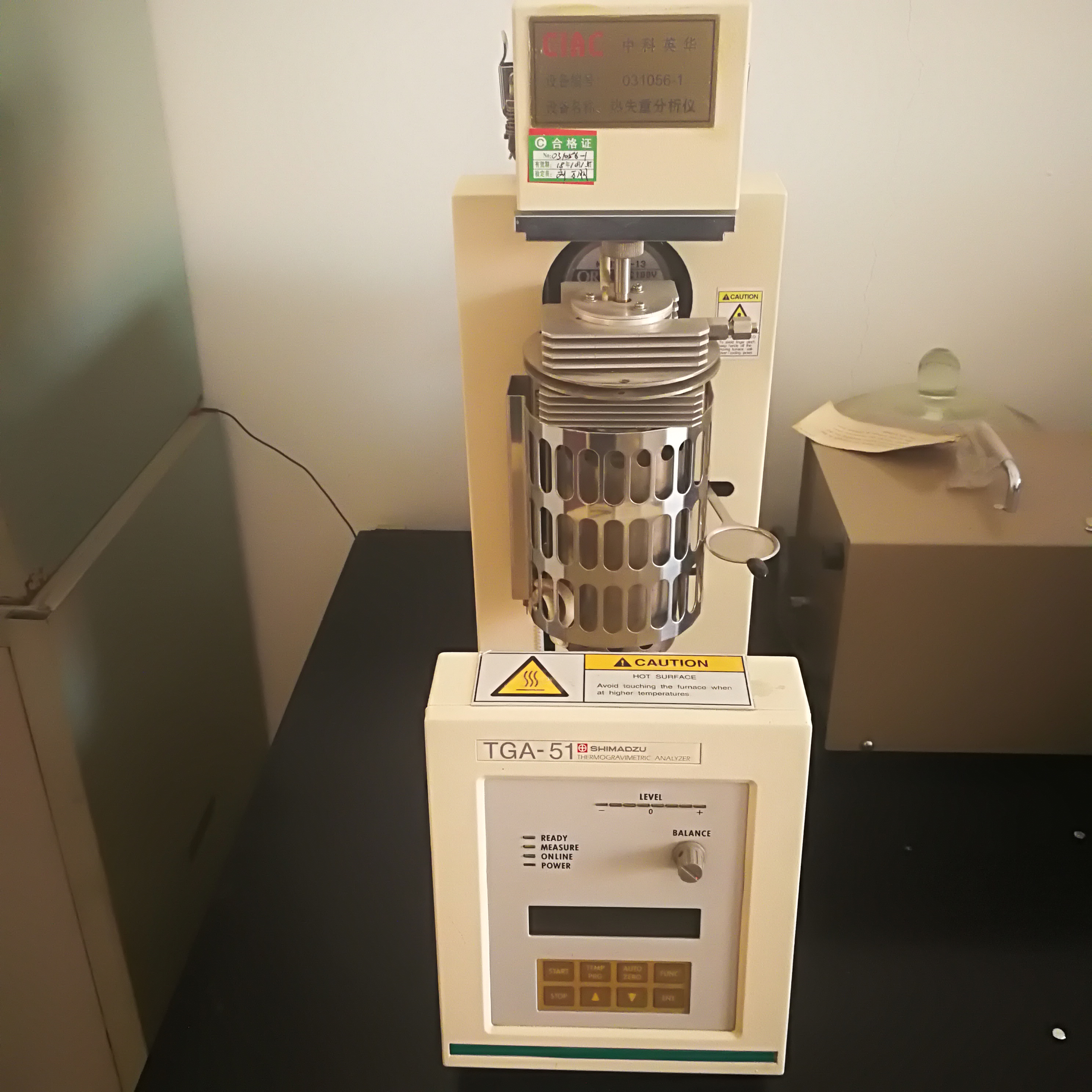
High-voltage silicone cable connectors and their derivative products all use high-purity silicone rubber as the core material. Their performance is first systematically verified using core laboratory tools. Specifically, a thermogravimetric analyzer (TGA) is used to accurately measure the material's thermal stability. By tracking the mass loss of the material under controlled heating conditions, the TGA ensures that the silicone used in 36kV cold shrink connectors maintains stable performance in high-temperature industrial environments.
On the other hand, an oxygen index tester is used to determine the material's flame retardant properties, thereby verifying that the silicone used in the 33kV cold shrink connector kit, which meets the UL 94 V-0 standard, complies with fire safety requirements.
Furthermore, a tensile testing machine is used to evaluate the material's mechanical strength, confirming that the tensile strength of each component in the 33kV cold shrink connector kit reaches 12-15 MPa, sufficient to withstand installation stress and wear during long-term use.
These three types of testing tools collectively ensure that the base material of all high-voltage connectors meets the performance requirements of their application scenarios.
Electrical Safety Verification:
For high-voltage products, electrical performance is a core indicator of reliability. Our specialized testing equipment is used to verify these critical parameters. Among these, the voltage breakdown tester measures the dielectric strength of materials. For example, the dielectric strength of high-voltage silicone cable joints needs to reach 25–30 kV/mm; while the dielectric strength requirement for 36kV cold-shrink joints is 30 kV/mm. These values are sufficient to prevent arcing in 33kV–36kV systems, thereby improving safety under electrical faults and preventing system outages or safety hazards.
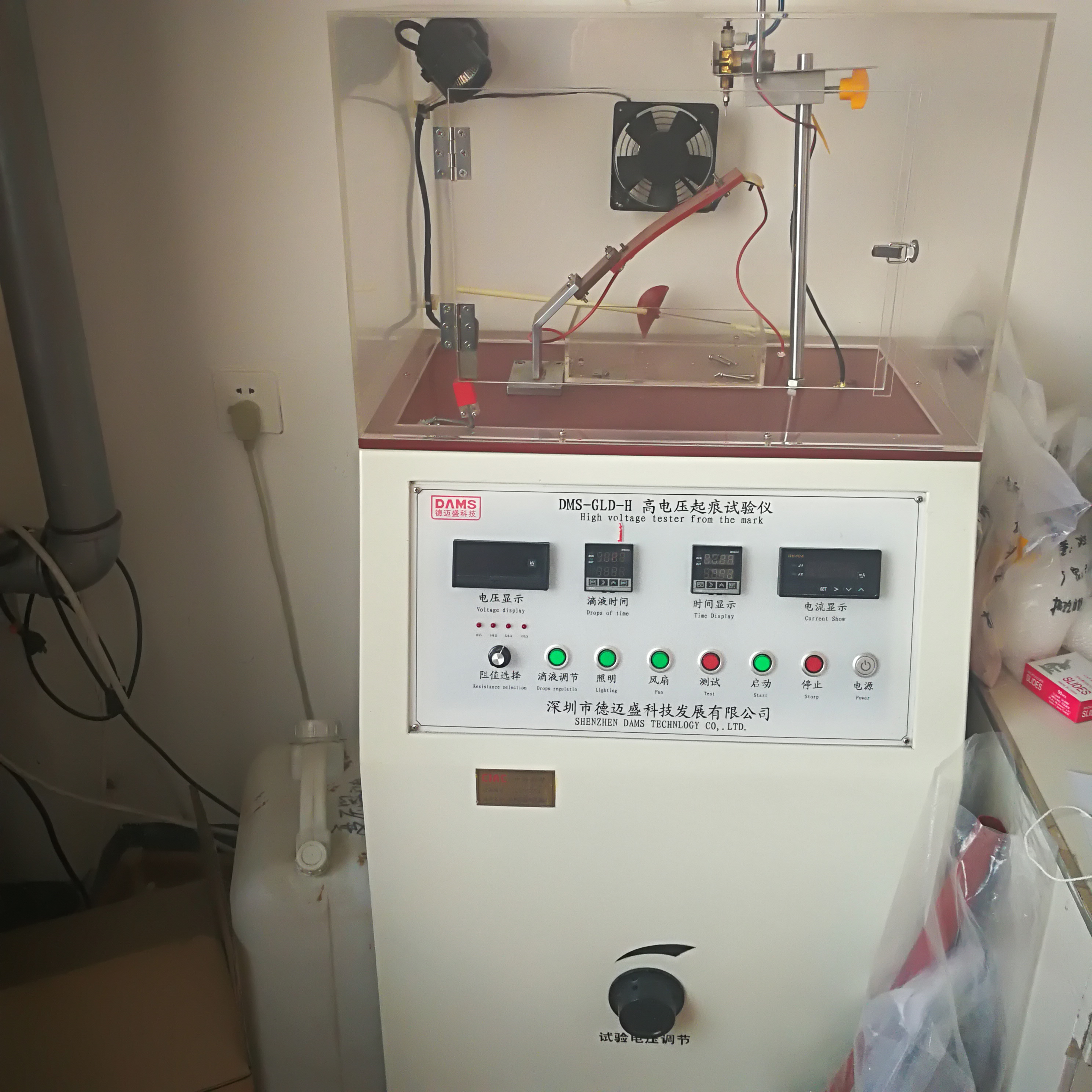
We use a high-voltage tracking resistance tester to simulate the long-term exposure of joints to humid and polluted environments, verifying their insulation integrity under high pollution and high humidity conditions. This test is particularly effective for high-voltage silicone cable joints used in outdoor substations or offshore wind farms, effectively evaluating their tracking resistance and corrosion resistance, which is crucial for preventing insulation breakdown.
These two types of electrical tests ensure that every high-voltage cable joint can operate stably and sustainably under harsh voltage stresses.
Environmental Adaptability and Durability Testing:
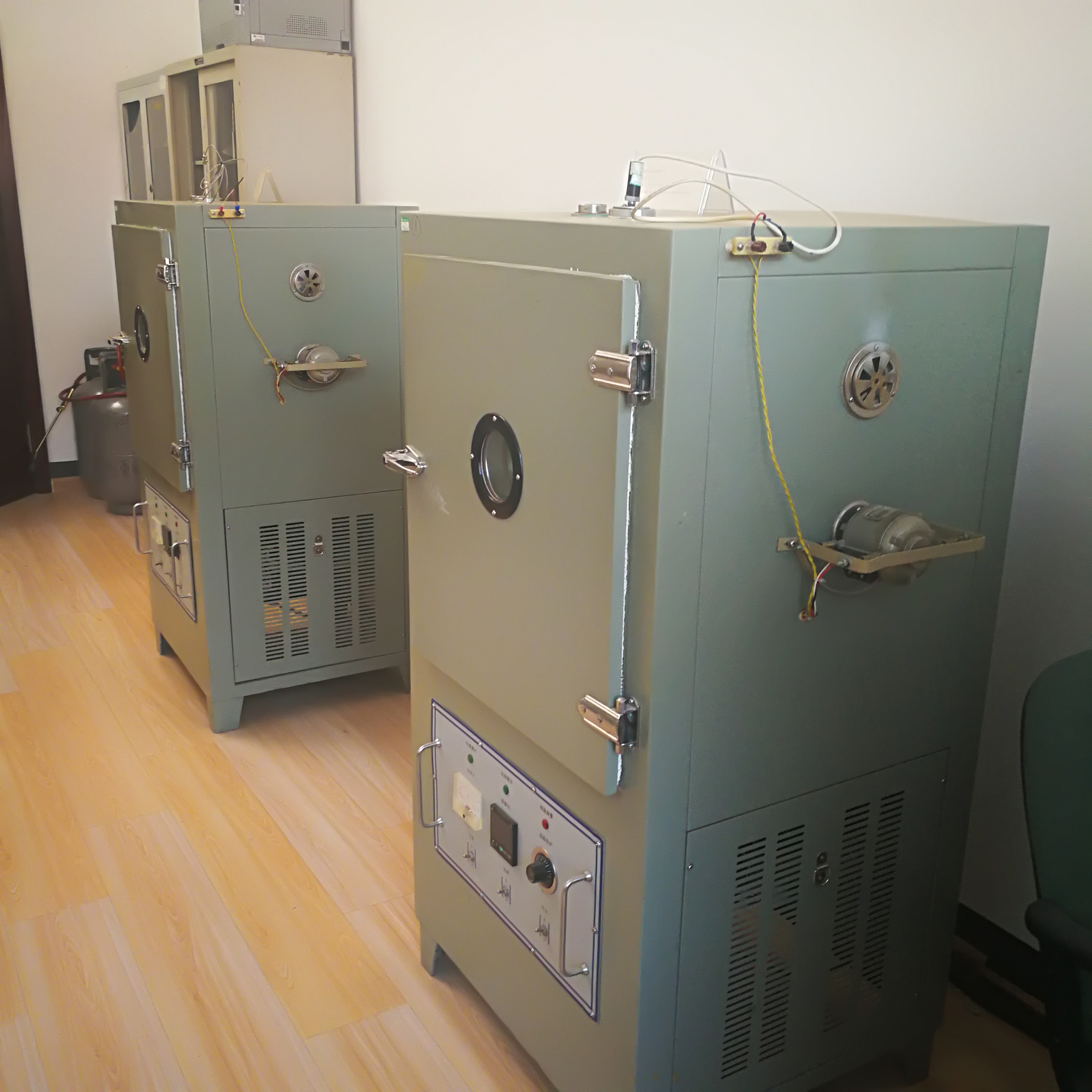
To verify the adaptability of high-voltage connectors in harsh environments, we conducted extreme temperature cycling tests (-60°C to 200°C) using high and low temperature ovens. This effectively evaluated the dimensional stability and sealing integrity of 33kV and 36kV cold-shrink connectors in frigid winters or hot industrial environments, thus preventing IP68-rated seal failure.
To further ensure the safety of the connectors in high-risk fire scenarios (such as railway electrification and mining), we used a vertical fire test device for electric wires and cables to verify their fire resistance under real-world application conditions, ensuring that the connectors possess self-extinguishing capabilities and effectively limit flame spread.
This fire test device helps determine whether the product meets relevant safety standards, thereby protecting infrastructure and personnel safety.