Heat Shrink Molded Part

- CCMT
- CHANGCHUN,CHINA
- Based on the order quantity
- 20,000 per month
1. Heat shrink molded boots have a radial shrinkage rate of ≥50%, which can closely fit wire and wiring harness protection areas of different size.
2. Heat shrink transition breakout takes into account both mechanical and electrical properties to meet the needs of wire insulation and basic mechanical protection.
3. Molded heat shrink boots have a continuous working temperature range of-55℃ to +125℃ and are flame retardant, aging resistant and hot and cold impact resistant.
When purchasing heat shrink transition breakout, simply focusing on shrinkage temperature and shrinkage rate is not enough to determine whether the product is suitable for long-term use. It is also necessary to confirm the size adaptability, mechanical properties, electrical insulation properties and temperature environment adaptability of the sheath. If the product is prone to cracking after installation, has insufficient shrinkage, has excessive axial changes, or the mechanical properties are significantly reduced after long-term heating, it may increase the cost of line maintenance and replacement.
Solution:
On the basis of meeting the radial shrinkage rate of ≥50%, this heat shrink molded boots also has the properties of tensile strength of ≥14.0MPa, elongation at break of ≥500% and dielectric strength of ≥20 kV/mm. After 175±1℃, 168 hours of thermal aging test, the product can still maintain high tensile strength and fracture elongation performance; at the same time, through low temperature bending and thermal shock test, it does not crack under specified test conditions, which can provide more stable insulation and external protection for long-term operation of wire connection and local connection area.
Product Introduction:
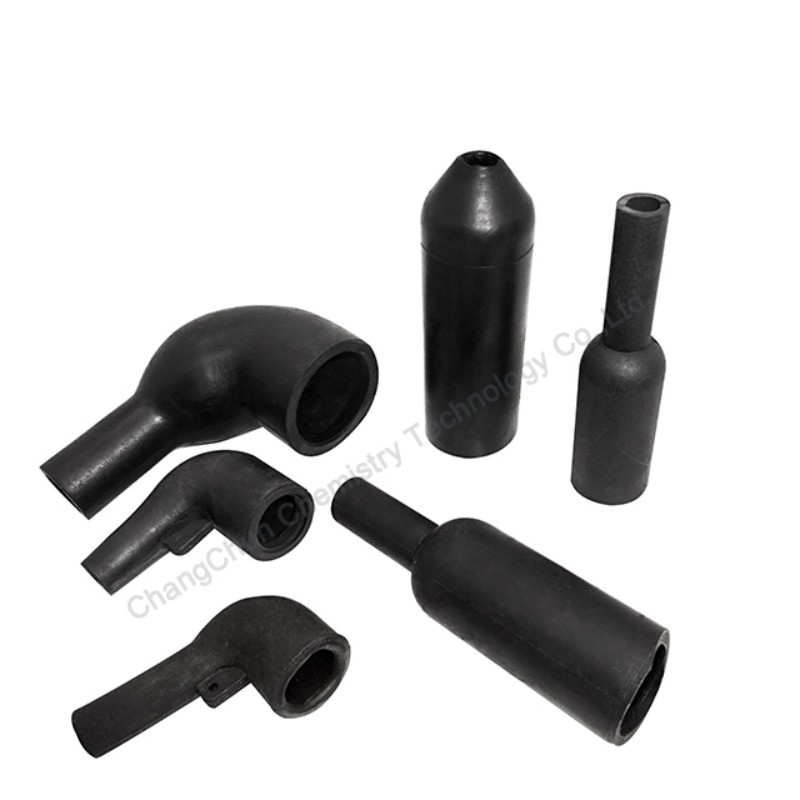
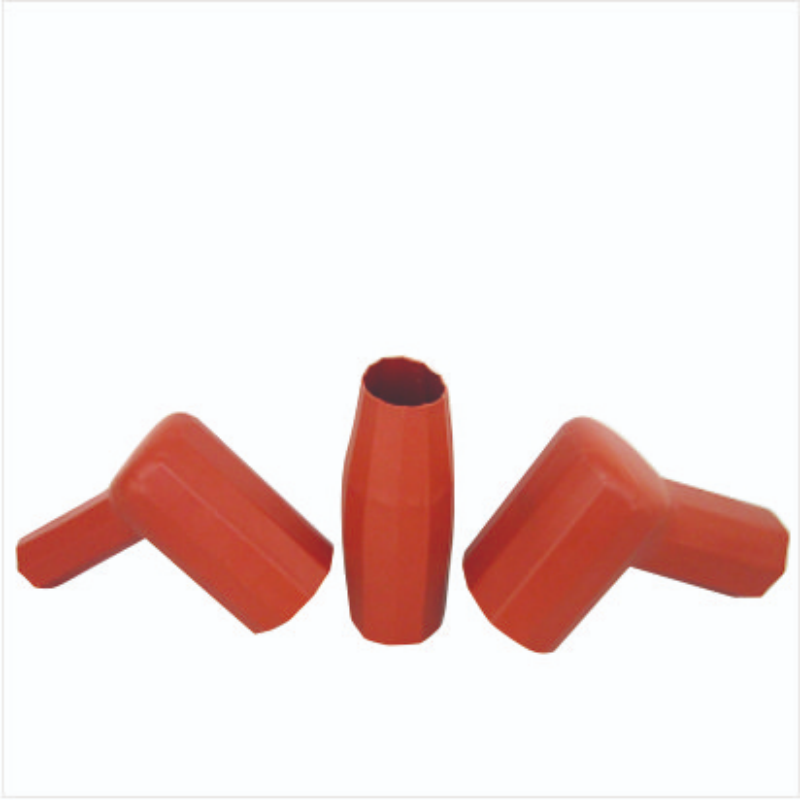
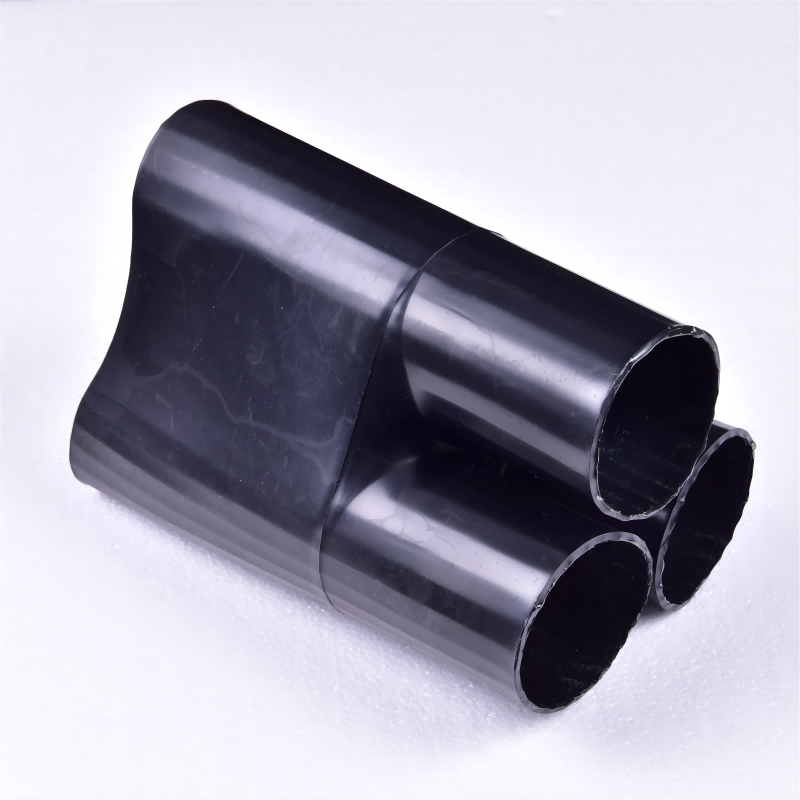
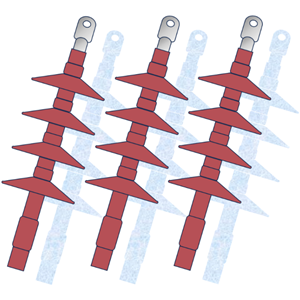
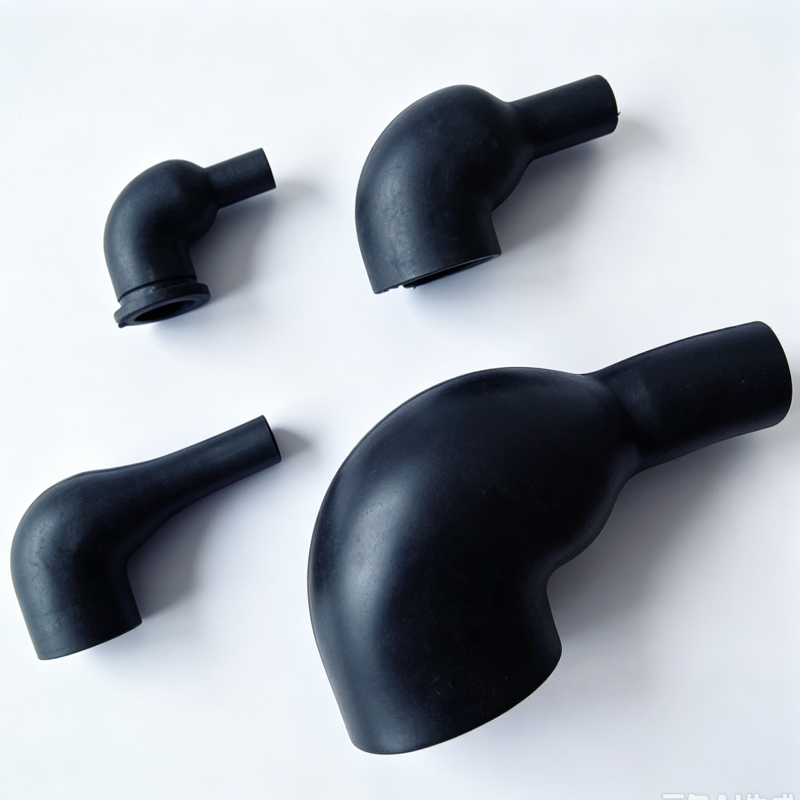
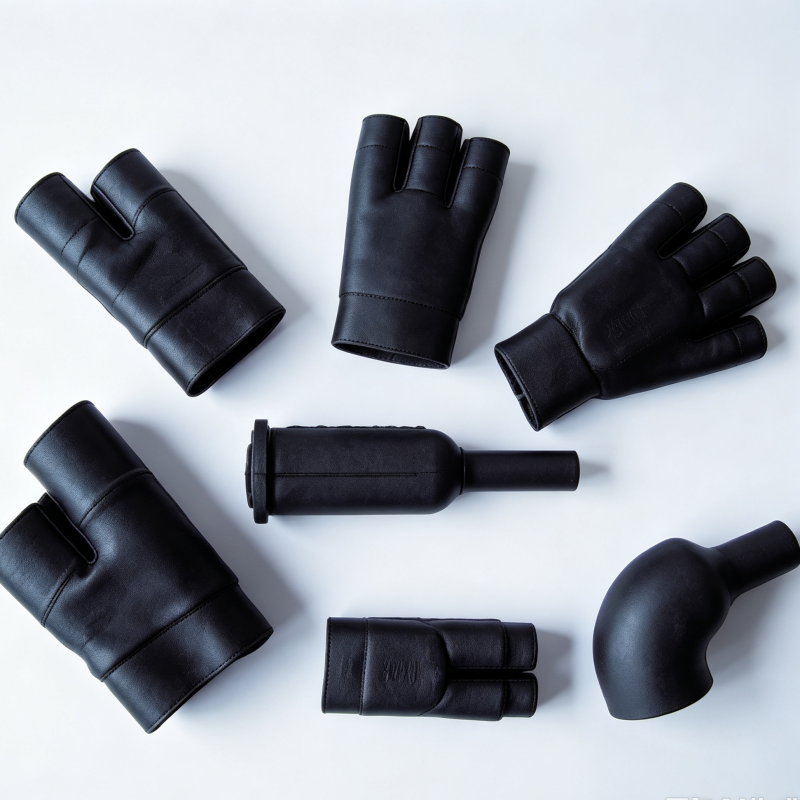
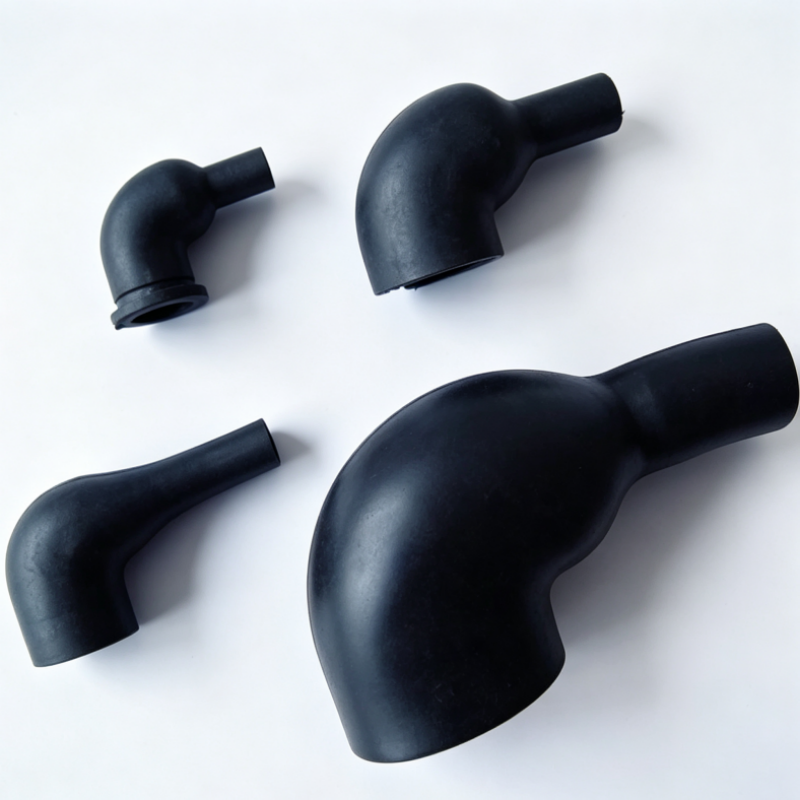
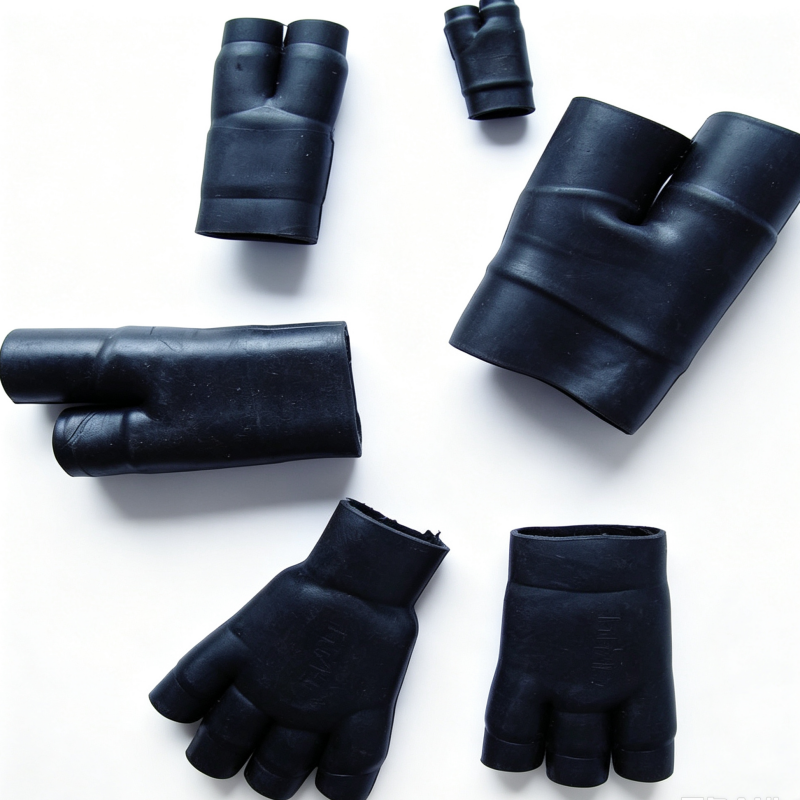
Molded heat shrink boots are heat shrinkable molded products for insulation and external protection of wire connections, branches and local connection areas. During installation, the product is heated to shrink radially and adhere to the protected part. The operation is relatively convenient, and the corresponding specifications can be selected according to the structure and size of the connection area.
The product takes into account flexibility, mechanical strength and electrical insulation properties, and has undergone performance tests such as low-temperature bending, thermal shock and thermal aging. The material meets military specifications and can be used in public transportation, military equipment, commercial ships and other equipment and systems that have high requirements for the reliability of wire connections.
Product Parameter Information:
| Property | Test Procedure and Condition | Typical Performance | Test Method | |
Physical | Water absorption (%) | - | ≤0.15 | GB1034-1998 |
| Radial change (%) | 150±2℃/1~3min | ≥50 | - | |
| Longitudinal change (%) | 150±2℃/1~3min | ≤10 | - | |
| Mechanical | Shore hardness, A | - | ≤70 | GB2411-1980 |
| Tensile strength (MPa) | - | ≥14.0 | GB/T1040-1992 | |
| Ultimate elongation (%) | - | ≥500 | GB/T1040-1992 | |
| Cold bend | -55±2℃/1hr | No cracking | UL224-1992 | |
| Heat shock | 250±1℃/4hr | No cracking | UL224-1992 | |
| After Aging | Tensile strength (MPa) | 175±1℃/168hr | ≥70% | GB/T7141-1992 |
| Ultimate elongation (%) | 175±1℃/168hr | ≥70% | GB/T7141-1992 | |
| Electrical | Dielectric strength (kV/mm) | - | ≥20 | GB1408-1989 |
| Volume resistivity (Ω·cm) | - | ≥1.0×10¹³ | GB1410-1989 | |
| Dielectric constant | - | ≤3.5 | GB1409-1988 | |
| Chemical | Shrink temperature (°C) | - | 150 | - |
| Flammability (OI) | - | ≥28.0 | GB/T2406-1993 | |
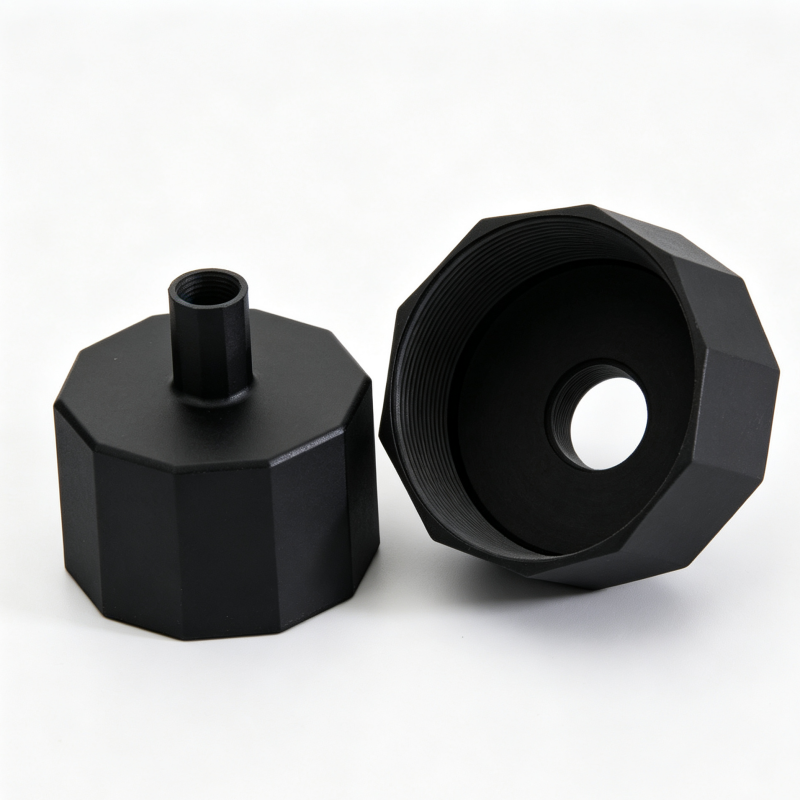
Product specifications are as follows:
Fig 1: 202K
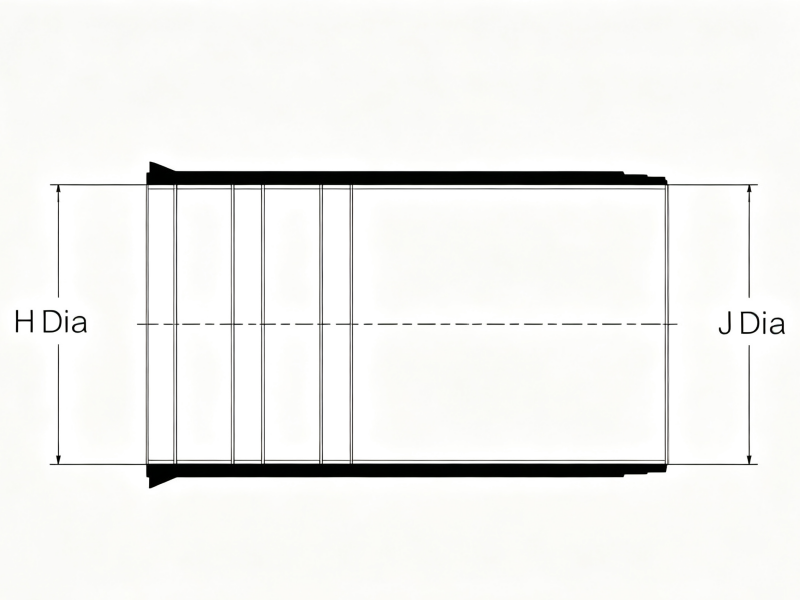
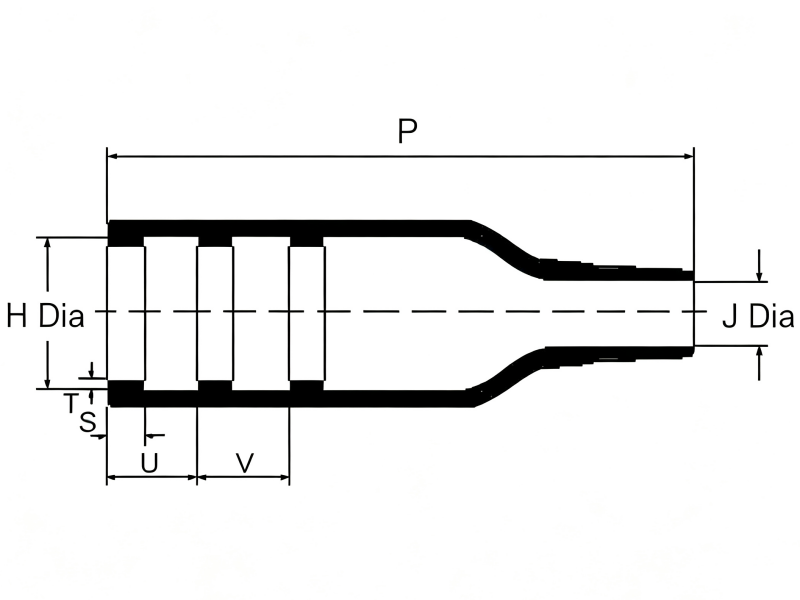
Fig. 2: 222K
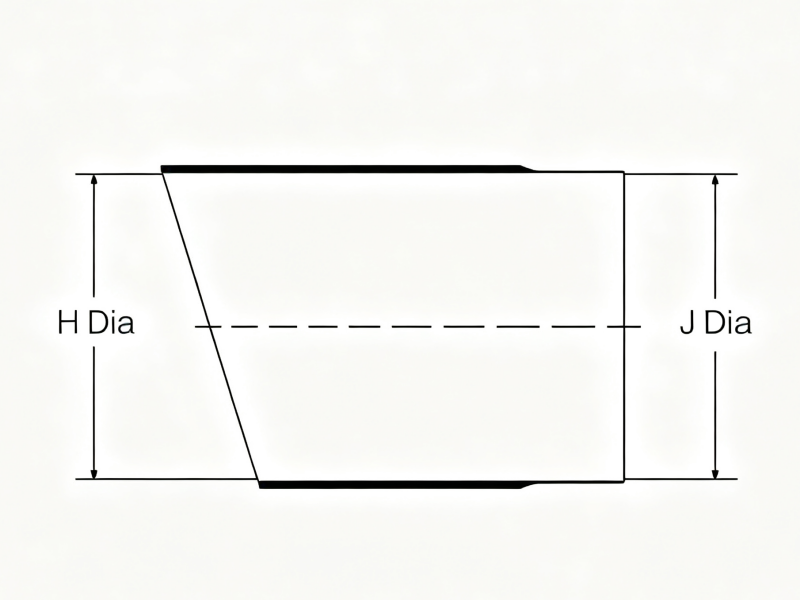
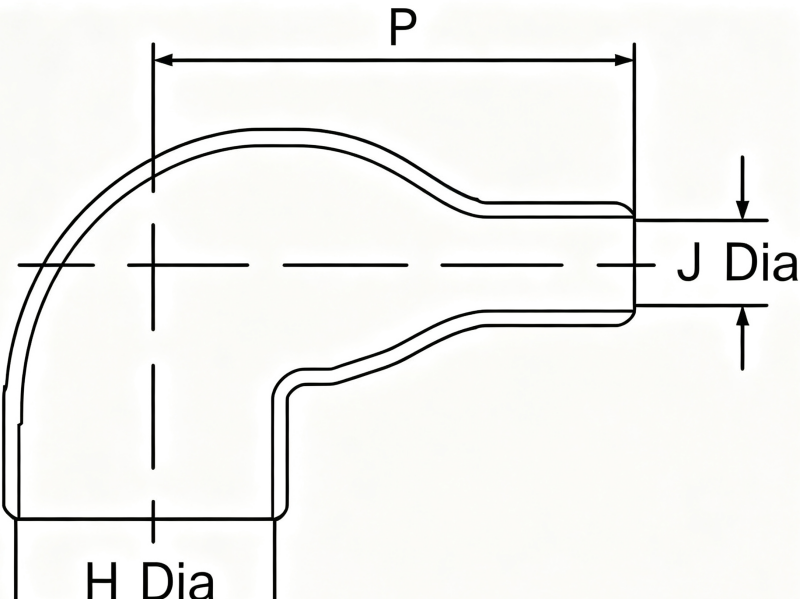
Fig. 3: 342A-0
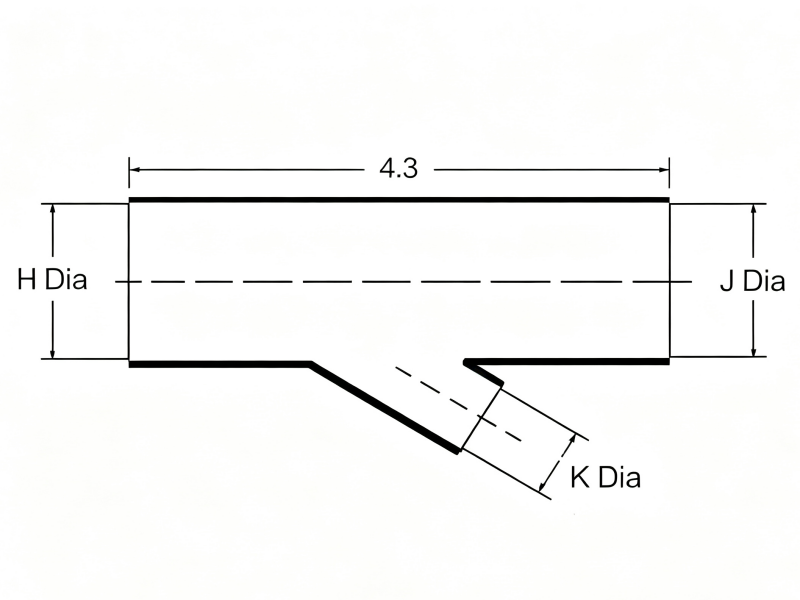
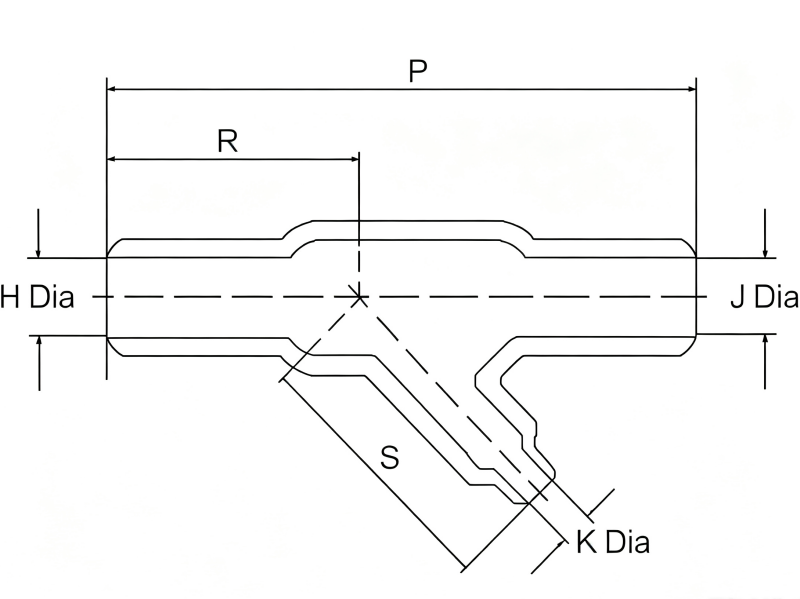
Fig. 4: 342A-1
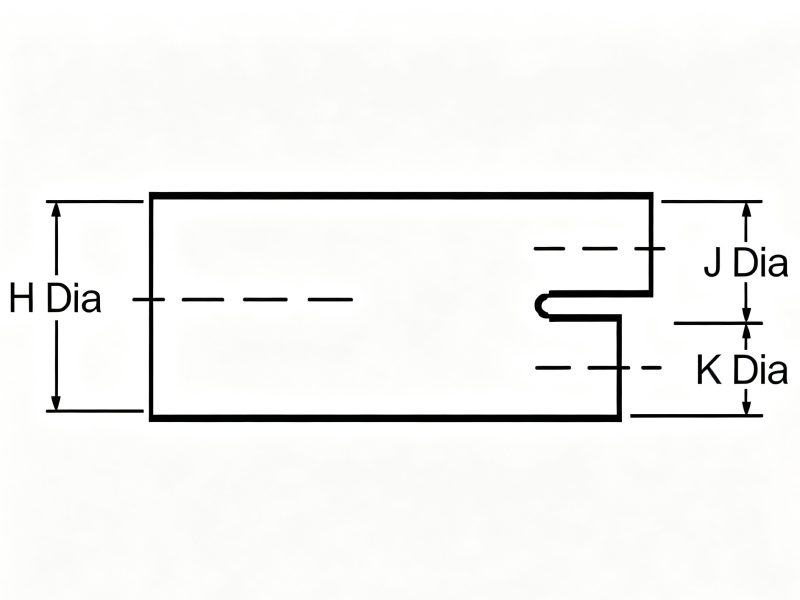
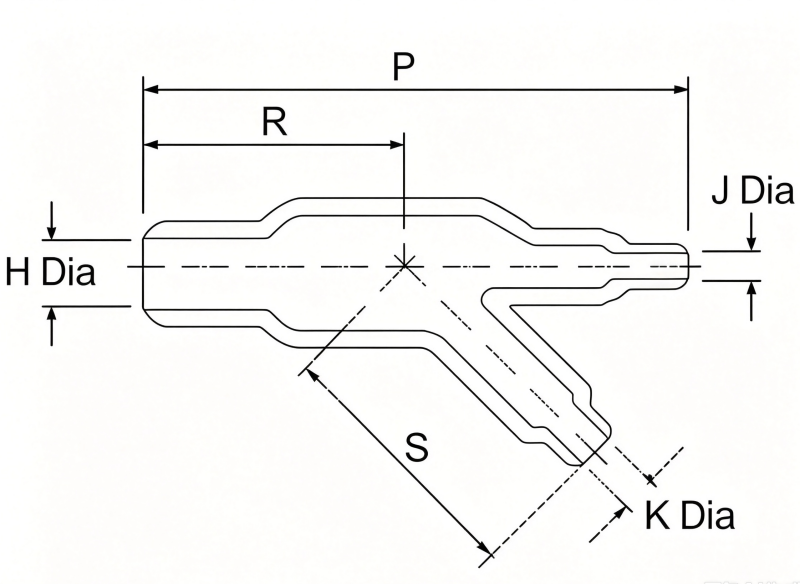
Fig. 5: 362A
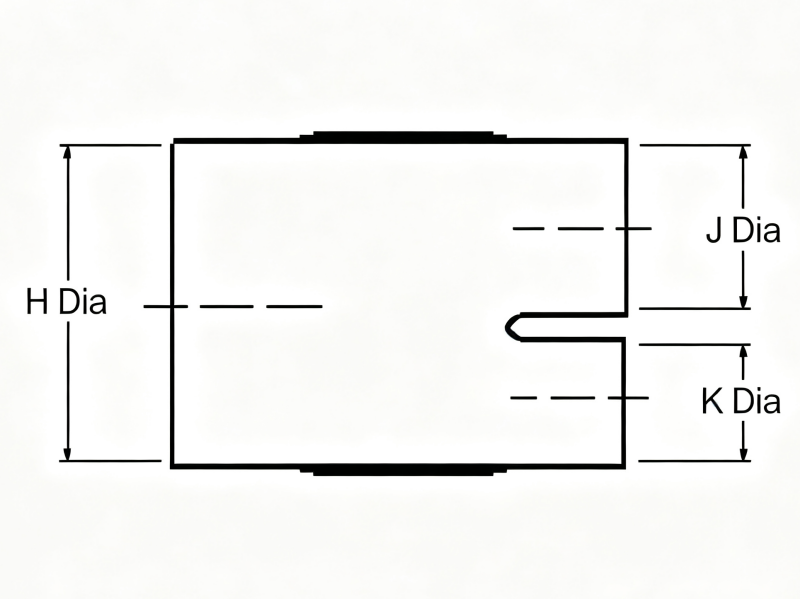
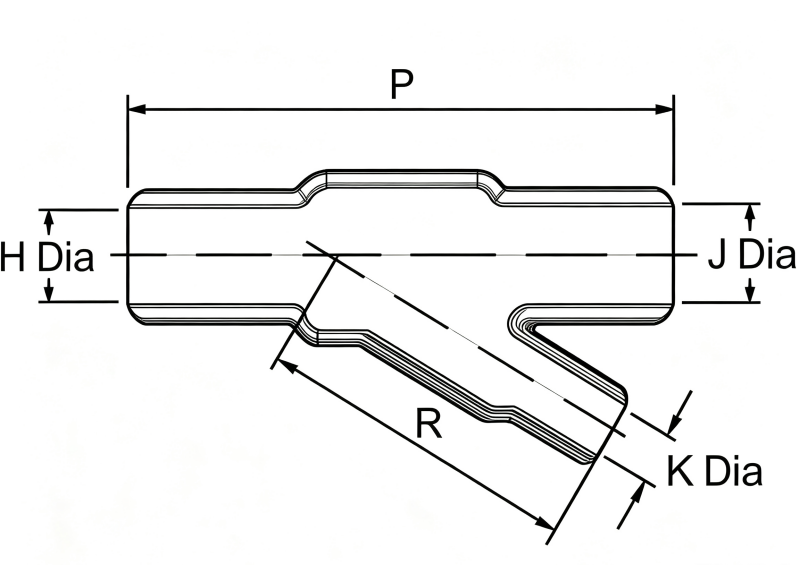
Fig. 6: 382A
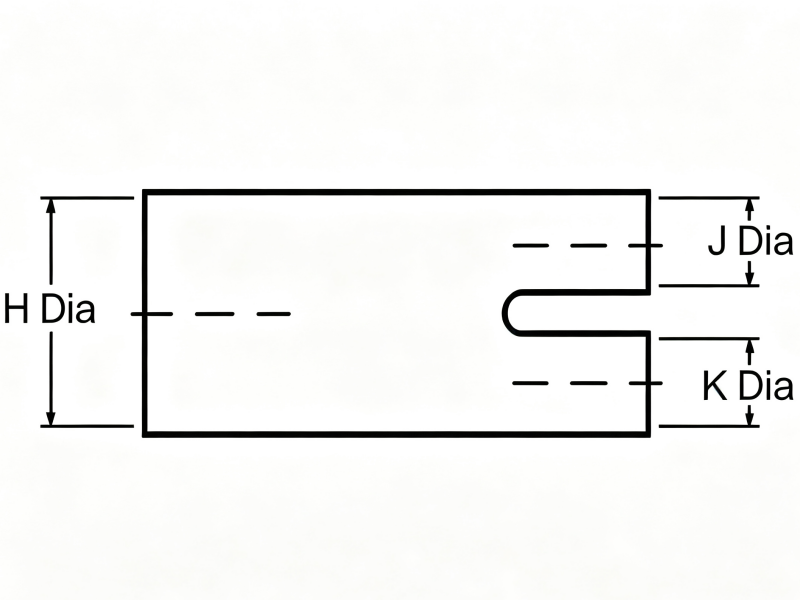
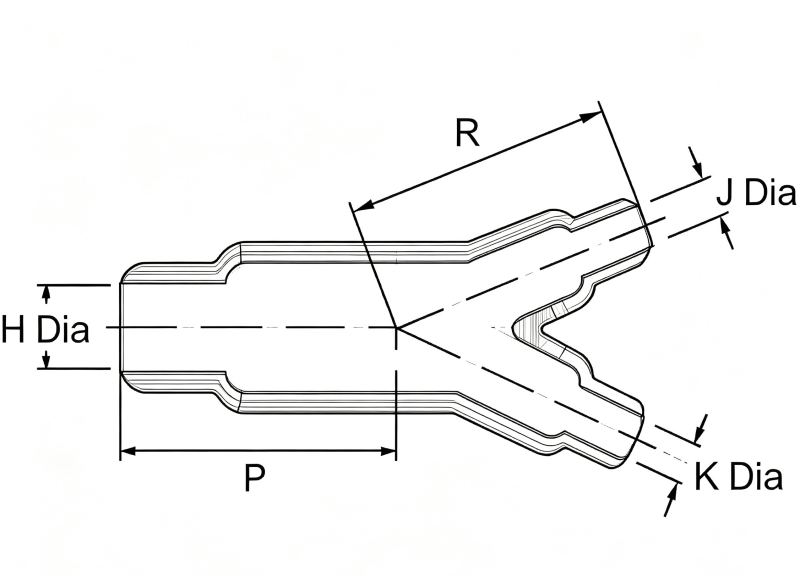
Fig. 7: 322A-3
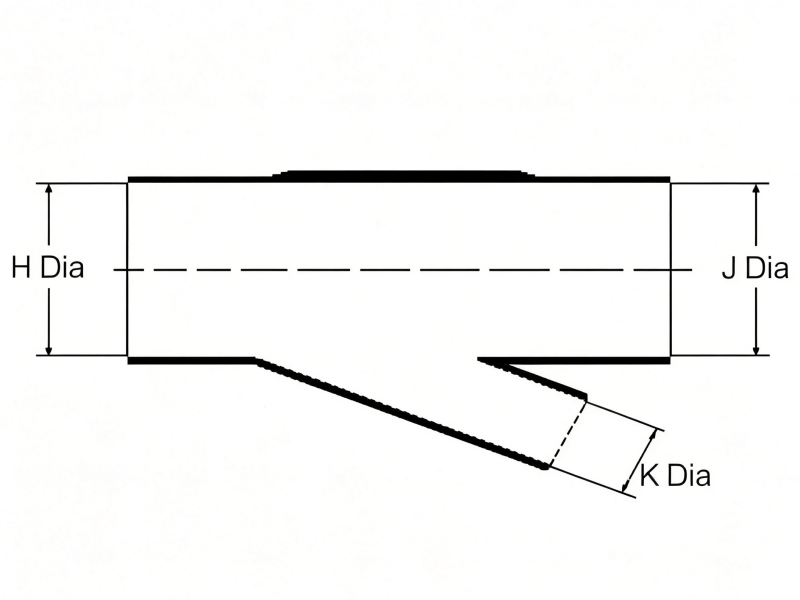
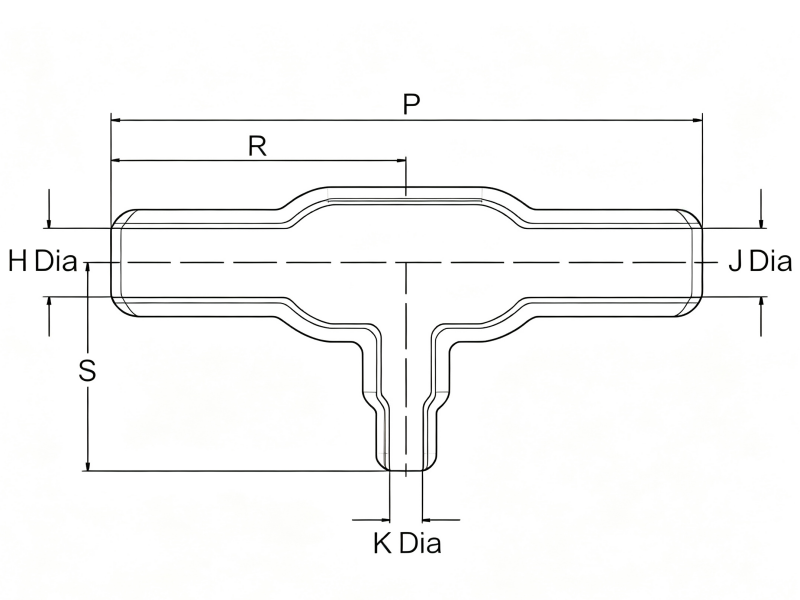
Product Advantages:
1. High shrinkage adaptability, convenient for application with different thread diameters.
The heat shrink transition boot has a radial change rate of ≥ 50%, and can significantly shrink after heating and adhere to the wires, wiring harnesses or connection areas. At the same time, the axial change rate is ≤ 10%, which can reduce excessive changes in the length direction during the heat shrinkage process. This shrinkage property helps improve the ability to match the product with connection areas of different size.
2. Flexibility and mechanical protection are balanced.
The tensile strength of heat shrink breakout boots is ≥ 14.0MPa, elongation at break is ≥ 500%, and Shore hardness is ≤ 70A. The product has good flexibility while maintaining a certain mechanical strength, and can adapt to the deformation requirements of the wire connection area during installation, bending and use. There is no crack after low-temperature bending test and thermal shock test, which further demonstrates that the product can cope with certain temperature changes.
3. Provides reliable electrical insulation.
The heat shrink transition boot has a dielectric strength of ≥ 20 KV/mm and a volume resistivity of ≥ 1.0 × 10 ³ Ω·cm. It can be used for insulation protection of wires and electrical connection areas. At the same time, the dielectric constant is ≤ 3.5, which helps to meet the basic requirements for the electrical properties of insulating materials in electrical equipment and wiring harness applications.
4. Flame retardant and long-term environmental resistance are more suitable for industrial applications.
Heat shrink breakout boots are made of materials that meet military specifications. The continuous working temperature range is-55 ℃~+125 ℃. They also have flame retardant, aging resistance and cold and hot impact resistance. After the product is subjected to thermal aging test at 175 ± 1 ℃ for 168 hours, the retention rates of tensile strength and elongation at break are ≥ 70%, and it can still maintain certain mechanical properties under long-term operation and temperature changes.
Product Usage Scenarios:
· Public transportation
It can be used for wire connections, wiring harness branches and local connection areas in rail transit, vehicles and other public transportation equipment to provide insulation and mechanical protection for the connection parts.
· Military and high-reliability equipment
The material meets military specifications and can be used in military equipment and other equipment that requires high reliability of electrical connections to provide insulation, mechanical and environmental protection for wire connection areas.
· Commercial ships
It can be used in wire connection and wiring harness connection areas in commercial ship electrical systems to adapt to long-term operation and temperature changes and other use conditions.
· Industrial and other electrical equipment
It can be used in industrial equipment, vehicles, electrical systems and other scenarios where insulation and mechanical protection of wire connections are required.
About Us:
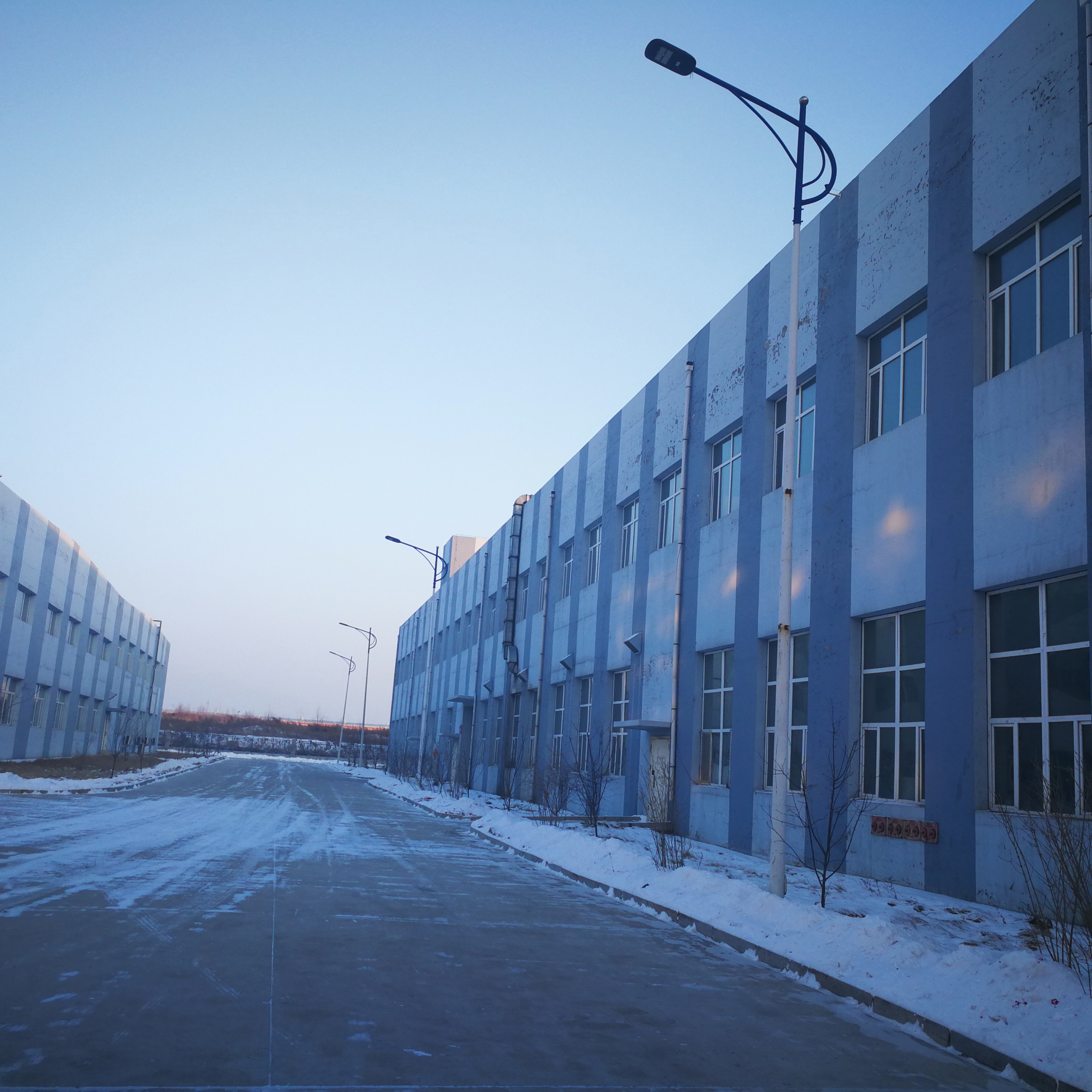
Founded in 1986, our company has a 10,000-square-meter factory and more than 100 employees, and is equipped with more than 40 professional production equipment. At present, we have established an integrated manufacturing system covering raw material development, production and manufacturing, quality inspection to finished product delivery, which can meet stable large-volume supply needs.
Production and quality control:
During the production process, we will pay attention to the product's size, appearance, shrinkage properties and key mechanical and electrical properties, and conduct low-temperature bending, thermal shock, thermal aging and electrical property-related tests according to product requirements. For bulk orders, product specifications, testing data and relevant quality documents can be provided according to customer requirements to facilitate the buyer's supplier review and project data archiving.
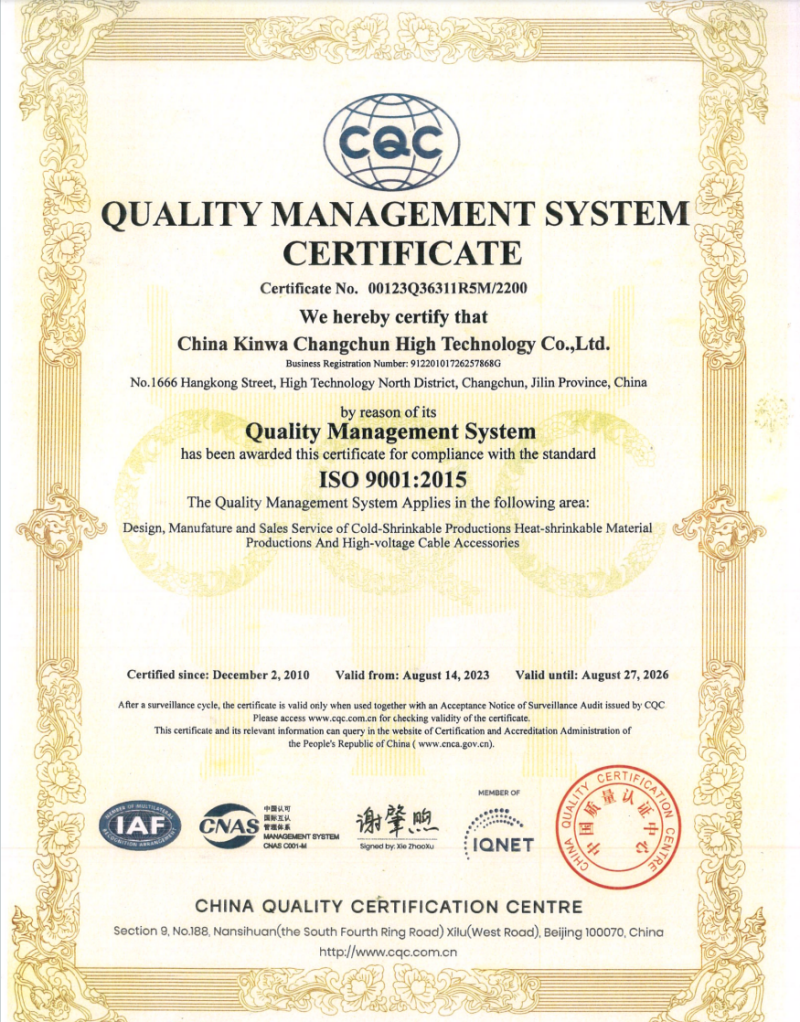
And our products have successively obtained CE, RoHS, REACH, IEC certification and SGS material testing certification, meeting the requirements of overseas markets for product quality and compliance. We conduct production management in accordance with ISO 9001:2015 (No. 00123Q36311R5M/2200) quality management system to ensure that each batch of products is tested for appearance, size and sealing performance before leaving the factory.
Cooperation cases:
With more than 40 years of development, we have stable product quality and manufacturing capabilities, and have established long-term cooperative relationships with international companies such as ABB, RAYCHEMM, and 3M. Among them, we have provided tens of thousands of rolls of OEM customized insulating tape to 3M, and have continued to supply nearly one million meters of low-voltage heat shrink tubing to ABB. Our products are now used in power and communication projects in many countries and regions such as Europe, the Middle East, Southeast Asia, and South America.
Exhibition activities:
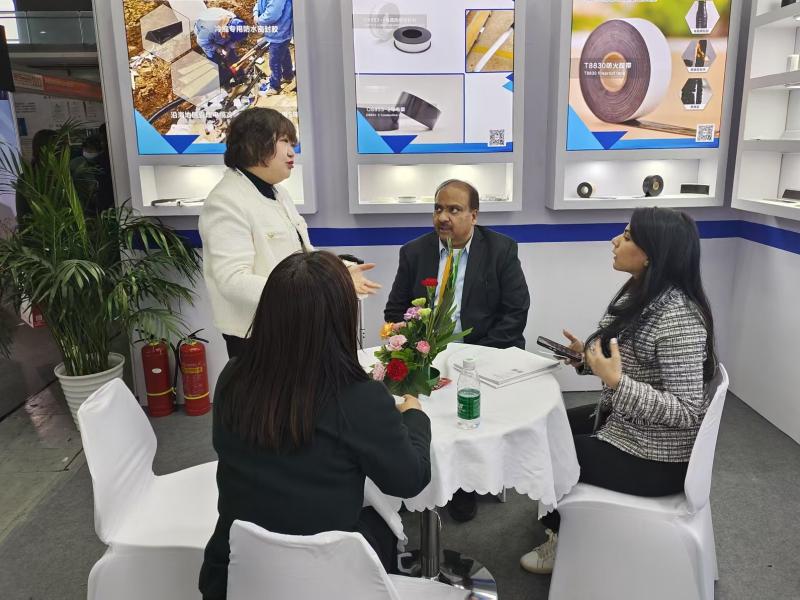
In November 2025, we were invited to participate in the 32nd Shanghai International Power Equipment and Technology Exhibition. During the exhibition, we had in-depth exchanges with power engineering companies from Europe, the Middle East and Southeast Asia on the application needs of sealing materials in different environments, accumulating valuable experience for subsequent product optimization, regionalization plans and international market expansion.
FAQ:
1. Is 150℃ the shrinkage temperature of the product or the long-term use temperature?
150℃ is the shrinkage temperature of the product, which is the heating conditions that need to be achieved during installation; the continuous working temperature is-55℃~+125℃. When purchasing, it is necessary to distinguish between the processing and installation temperature and the actual operating temperature of the product.
2. Can the product be disassembled or used again after shrinking?
Reuse after removal is generally not recommended. If repair or replacement is needed, a new heat-shrink molded sleeve will generally need to be re-installed.
3. Will the product shrink significantly shorten the rear axis?
The axial change rate of product is ≤10%. During actual installation, it is still recommended to reserve a reasonable length and install it according to the specified heating method.