Why Do Different Electrical Equipment Need to Match Different Bushing Shroud?
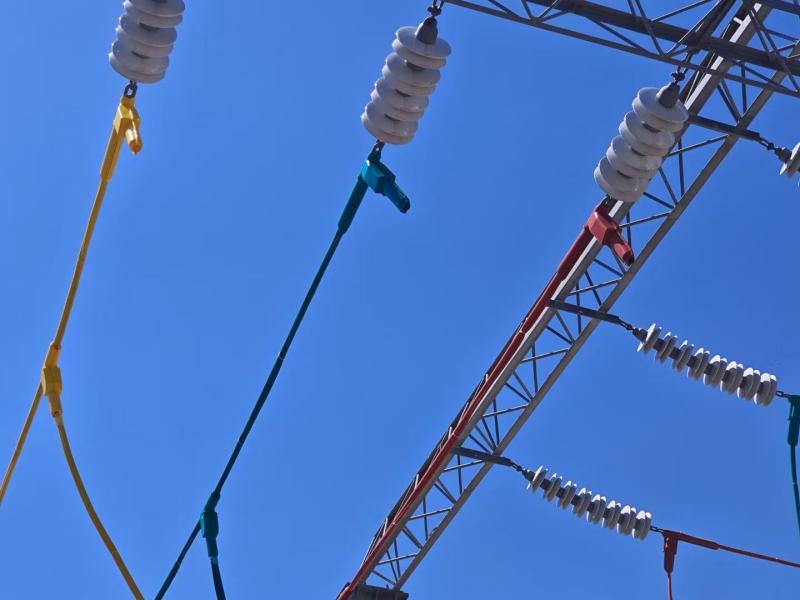
In outdoor transformers, distribution equipment and other power systems, some bushings and live connection areas are exposed for a long time. When birds, small animals, branches or floating foreign objects accidentally contact these areas, it may cause phase-to-phase short circuits, ground faults, or equipment shutdown.
For equipment that has already been put into operation, if the entire equipment is replaced simply because of the risk of partially exposed parts, it will cost higher materials, construction and power outage costs. Therefore, adding additional insulation protection to exposed bushings and connection areas of existing equipment has become one of the methods used in many equipment maintenance and renovation projects.
Silicone bushing sheaths are the insulating protection products used for this type of application. But on the other hand, in real situations, the customers are usually thinking to themselves: Why can't the same sleeve and bushing be adapted for electrical devices that on the surface seem to share identical structures?
The reason is that the bushing shroud does not simply cover the outside of the device. The bushing size, terminal structure, wire direction, installation space and equipment operating environment may all affect whether the product can be correctly installed and perform the intended protective role. Therefore, when selecting a sheath, it is not just the material that needs to be paid attention to, but the degree of matching between the product and the actual equipment.
Bushing Shroud's Role Is Not Just to "Cover the Exposed Area"
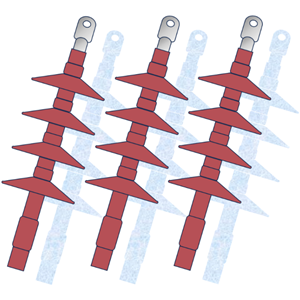
From an appearance point of view, the transformer bushing cap is an insulation protection member installed outside the electrical bushing and connection area. Its main function is to add additional insulation isolation outside the original equipment structure. But in practical applications, the sheath has to adapt to not just the bushing itself. Different equipment may have the following structural differences:
· Different outer diameters of bushings
· Different bushing heights
· Different bottom mounting structure
· Different terminal size and shape
· Wires are led out from the top or side
· A device may have connecting wires in multiple directions
· Limited installation space between adjacent equipment
If the inner space, opening position or wire outlet of the sheath do not match the actual equipment, even if the product itself has good insulation properties, problems such as inability to install, creating gaps after installation, or affecting wire connection may occur. Therefore, choosing a silicone liner sheath cannot just compare materials or appearance, but need to first confirm whether this product is truly suitable for the structure of existing equipment.
Why May Different Electrical Equipment Require Different Structures of Sheaths?
It is not that different equipment names necessarily require the use of different types of sheaths. The core factor that really affects product selection is the actual structure of the live parts of the equipment.
For example, two distribution transformers from different manufacturers may be of the same type of equipment, but the bushing diameter, terminal size, and wire connection method may be different. Therefore, in actual selection, we should pay more attention to the following factors.
1. The bushing size determines the basic matching range of the sheath
The outer diameter and height of the bushing are the first data that needs to be confirmed when selecting a sheath. It is usually necessary to confirm:
·Maximum outer diameter of bushing
·Bushing height
·Bottom installation position
·Whether there is a raised structure around the bushing
For new projects, equipment manufacturers are usually able to provide drawings or size data. However, for transformers or distribution equipment that has been in operation for many years, the field equipment may come from different manufacturers, and the equipment structure may vary from generation to generation. Therefore, simply selecting a standard model based on the device name does not guarantee that the product will match.
2. The terminal structure affects the inner space and opening design of the sheath
The top of the electrical bushing is usually connected to terminals, bolts or wires. Terminals of different equipment may differ in size and structure, such as:
· Different bolt lengths
· Different terminal size
· Different locations of connection parts
· One bushing may connect multiple wires
If the sheath does not reserve enough space for the terminals and connection areas, normal wiring may be affected after installation. Therefore, on equipment involving complex terminal structures, in addition to confirming the bushing size, it is also necessary to consider whether the internal structure of the sheath can cover the actual connection area.
3. The direction of lead extraction may change the structural design of the sheath
The wire connection method is also an important factor affecting the selection of sheath. The wires of some equipment are led directly from the top, while some equipment may be connected laterally or simultaneously in multiple directions.
· Top vertical outlet
· One-sided horizontal exit
· Bilateral lead connection
· Multi-directional connection structure
If the product opening direction is inconsistent with the actual wire direction, the sheath may not be installed correctly or additional adjustments may be needed. Therefore, for equipment with special wiring methods, it is best to provide on-site photos or equipment structure drawings before purchasing to confirm the location of the wire outlet and the adaptation method of the sheath.
4. Equipment installation space determines the sheath, which cannot only consider its own size
The internal structure of some switchgear and power distribution equipment is relatively compact. In this case, even if the sheath can cover the bushing itself, it is necessary to confirm whether it will affect:
· Adjacent equipment
· Phase distance
· Original conductor layout
· Maintenance space
· Other insulating parts
Therefore, the size of the sheath is not as large as possible. For equipment with limited space, it is more important to maintain a reasonable installation relationship with existing equipment structures while meeting insulation protection needs.
Application of Transformer Bushing Cap in Power Equipment Protection.
Take our bushing shroud as an example. The product is mainly for insulation protection applications for exposed bushings and connection areas of outdoor power equipment. For a long-term operating environment, the product was put through a series of related performance tests: mechanical impact, withstand and impulse voltages, ultraviolet light, and salt spray - to determine its application characteristics under the influence of various environmental factors.
| Item | Content |
| Primary Materials | Silicone rubber |
| Key Application Locations | Exposed bushings and energized connection areas |
| Typical Application Equipment | Distribution transformers and other outdoor power equipment |
| Primary Protection Targets | Accidental contact, animal interference, and environmental exposure |
| Key Material Properties | Electrical insulation, weather resistance, hydrophobicity, and UV resistance |
From "Purchasing Products" To "Solving Equipment Protection Problems"
Choosing a transformer bushing cap should not actually be just a purchase of a standardized component. It is more important to determine the problems facing the equipment first.
· Which exposed and electrified areas need increased protection?
· The main risk comes from birds, small animals or external foreign bodies?
· Is the equipment in an outdoor environment for a long time?
· Can existing equipment structures be directly installed with sheaths?
· Can standard products match?
· Do you need to customize the product structure based on the equipment size?
When these issues are clarified, product selection will be more accurate. A truly effective protection solution usually requires finding a match between the equipment structure, installation conditions, operating environment and protection requirements.
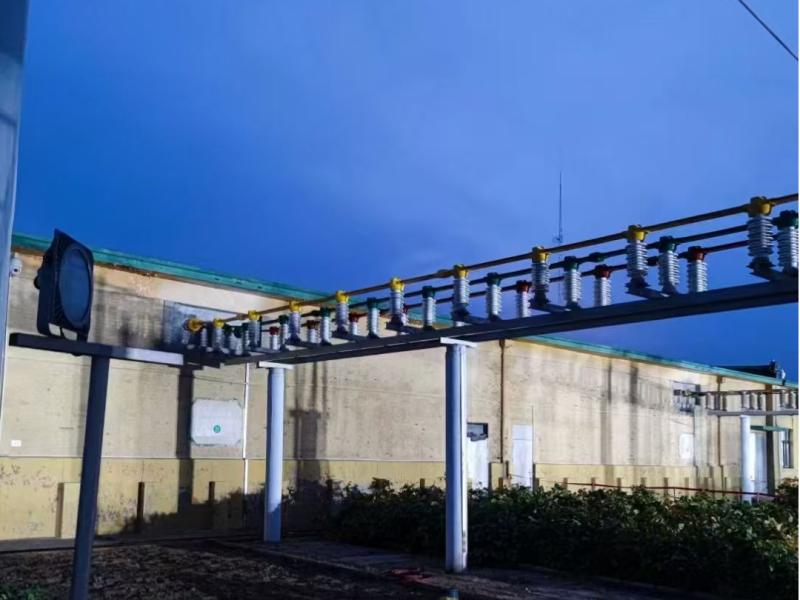
With the increasing needs for the renovation of distribution networks and the maintenance of existing equipment, local insulation protection for exposed live parts is still a solution with practical application value. The transformer bushing cap can add additional insulation and isolation to some high-risk connection areas without changing the main structure of the original equipment.
For specific projects, the really important thing is not to find the "most universal sheath", but to find a protection method that matches the equipment structure, installation conditions and actual operating environment.