How to Choose an Insulating Bushing Cover with the Right Size?
The structural size of bushings, which are also used for insulation protection of power equipment, may differ from equipment manufacturers, models or projects. If actual size of the bushing is not verified before buying, this could lead to installation problems including: sheath can't be fastened, insufficient coating, or the sheath can be loose after installation etc.
Once the wrong sizes have been ordered, new manufacturing and shipment not only result in higher procurement expenses, but could also interfere with the timeline of the overall installation.
Therefore, the first thing that needs to be solved in selecting an insulating bushing cover is not "which model to purchase", but to confirm whether the size of the existing equipment matches the sheath specification?
For some equipment with special structures or non-standard size, purchasers do not have to be completely limited to fixed models. Our polyolefin bushing and sheath can be designed in size and shape according to the actual equipment size and protection area, providing more targeted insulation protection solutions for different equipment.
Why Does Insulating Bushing Cover Need to Pay Special Attention to Size Matching?
Insulating bushing cover mainly reduces the operating risks caused by short circuits, arcing and accidental contact by covering exposed live parts. If the size is inappropriate, the following problems may occur:
· The inner diameter of the sheath is insufficient to install on the existing bushing;
· The product length is insufficient, and some electrified areas cannot be effectively protected;
· Interference between the sheath and the bushing skirt or terminal structure;
· The size is too large and the fixation will be unstable after installation;
· Insufficient space between the product and other busbars or wires on site;
· Some products were found to be unusable after bulk purchase.
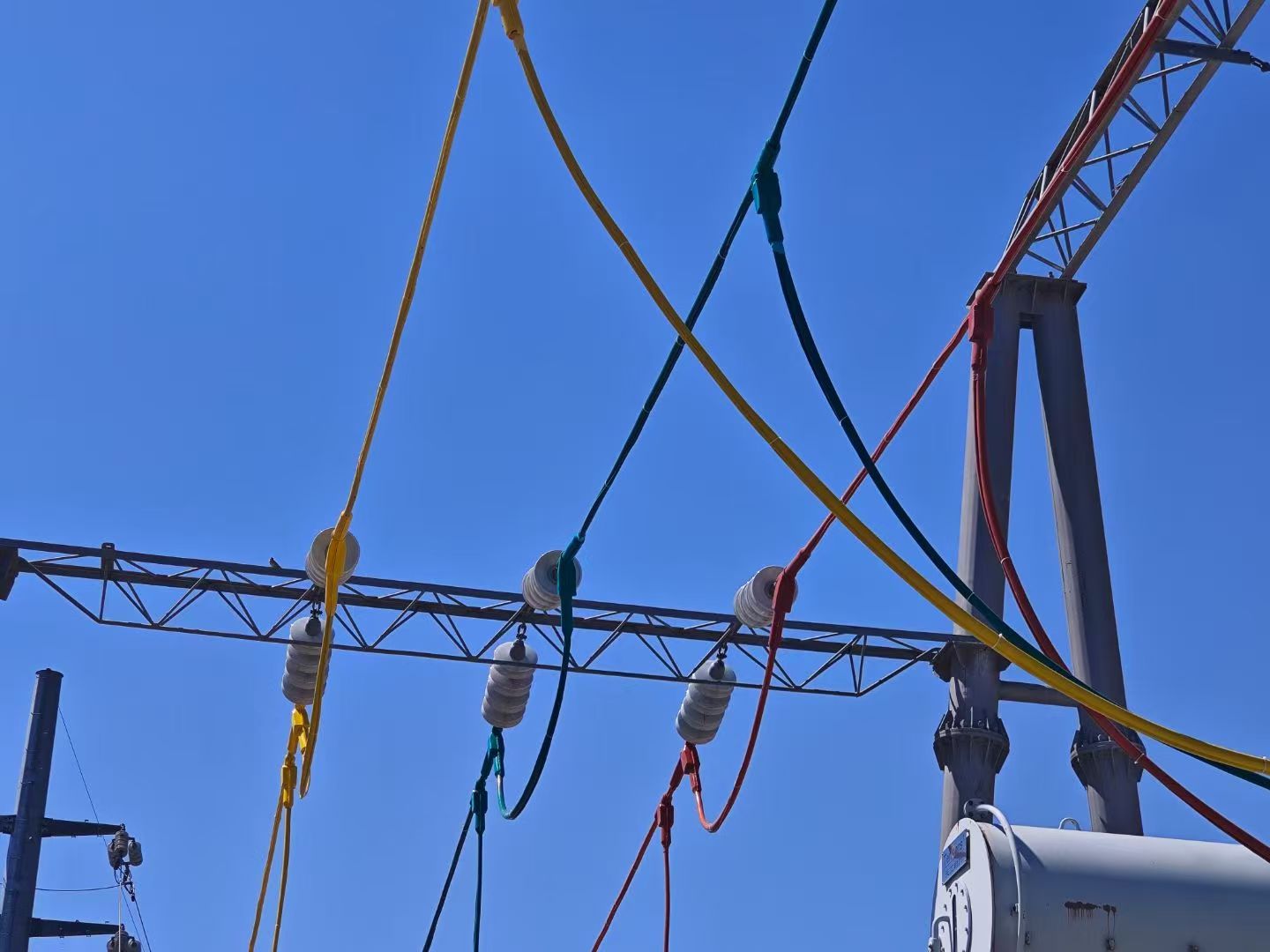
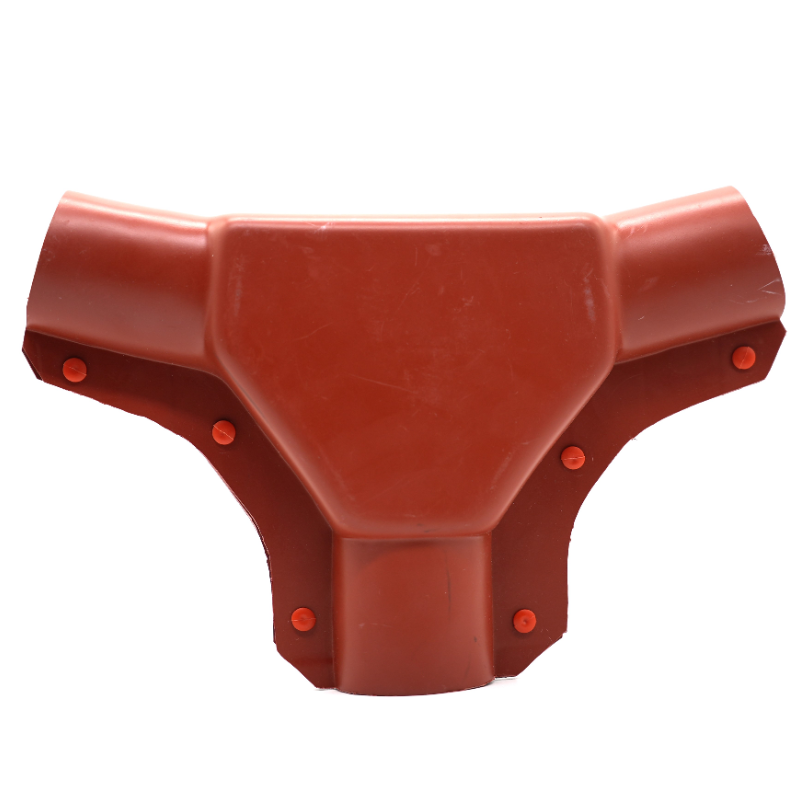
However, CCMT's polyolefin bushing guard can be used for insulation and isolation of busbars and connection parts in high and low voltage distribution systems, and can be made in different specifications and shapes according to the equipment size provided by customers. For equipment of special size or non-standard structure, there is no need to rely entirely on fixed mold specifications, and can be matched according to actual project needs.
Don't Select Products Based Solely on Voltage Levels.
This is a common misunderstanding in the procurement process. Some customers may think: "My equipment is 10kV, so you only need to purchase a bushing sheath suitable for 10kV."
In fact, the voltage level can only help determine the approximate application range of the product and cannot directly determine the product size. Even with the same voltage class, bushings produced by different equipment manufacturers may still differ in the following aspects:
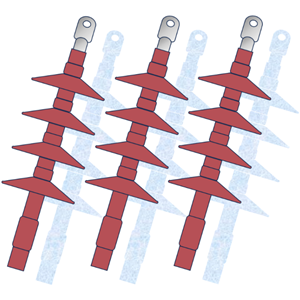
· Different body diameters
· Different umbrella skirt diameters
· Different bushing heights
· Different top terminal structures
· Different bus bar or wire connection methods
Therefore, voltage level can be used as a preliminary product screening condition, but the final specification should still be based on the actual equipment size.
It is recommended to provide equipment parameters + actual size to suppliers for engineering procurement projects to confirm the product, rather than placing orders directly based on voltage level or equipment name.
What Parameters Need to Be Confirmed When Selecting the Appropriate Size?
A complete bushing may have multiple areas of different size, so it is recommended to confirm at least the following key parameters.
1. Outer diameter of bushing body
Procurement personnel are required to measure the outer diameter of the actual location to be covered and provide it to the supplier for specification matching.
If the inner diameter of the product is less than the actual size of the bushing, the sheath may not be installed; if the size design is unreasonable, the structural matching between the sheath and the equipment and the installation effect may be affected.
2. Maximum skirt diameter
Customers sometimes only measure the diameter of the middle part of the bushing, but the structural size of the umbrella skirt area needs to be considered during the actual installation process. If the maximum outer diameter is not confirmed, the sheath may interfere with the equipment structure or cannot be installed normally. Therefore, it is recommended to record at the same time:
· Bushing body diameter
· Maximum umbrella skirt diameter
· General structure of the umbrella skirt
· Change in size between different locations
3. Length that needs protection
Protection measures required vary according to project type. For instance, some projects might only require covering parts of the equipment with bushing at the locations of exposed connections. Others, on the contrary, might be in a position of having all the bushings, connection terminals and nearby zones of the busbar shielded together. Thus, one has to know in advance about the required types of protection:
· Where does the sheath start to install
· Which location needs to be covered
· Whether protective terminals are needed
· Whether it needs to be extended to the bus bar or wire connection area
4. Top terminal structure
The terminal structures of different devices are quite different, such as:
· Bolted connection
· Bus connection
· Cable connection
· Special metal terminals
If the sheath product does not fully consider the top structure size, problems may arise that the terminal positions cannot be covered normally, the product opening positions do not match, or insufficient installation space may occur.
How to Correctly Measure Existing Bushings?
For equipment already in use, the most reliable method is to conduct actual on-site measurements. These steps are highly advised to go through.
Step 1: Keep track of what your equipment and bushing models you are working with are.
Step 2: Find out the diameter of the outer surface of the main part.
Step 3: You should know what is the maximum outer diameter for this part so when it comes to selection you can be on the safe side.
Step 4: Get the overall dimensions of the region that you intend to protect with your shielding.
Step 5: Create a visual record by snapping pictures of the setting you are in.
How Should I Choose Standard Specifications and Custom Specifications?
For items with unified equipment model, clear size and large purchased quantity, purchasers can select corresponding specifications based on the existing equipment size to improve procurement and technical confirmation efficiency. However, not all power equipment uses a completely unified bushing structure. The following situations usually require further product confirmation based on the actual equipment size:
· Special bushing size
· Equipment belongs to non-standard model
· Length requiring special protection
· Complex terminal structure
· Need to cover special connection areas
· Standard products cannot fully fit on-site equipment
In response to the above problems, CCMT's polyolefin bushing guard can be made in different specifications and shapes according to the size requirements provided by customers, and there is no need to reopen the mold for each size.
This feature provides certain flexibility for non-standard equipment, special engineering projects or procurement needs with different equipment structures. The buyer can first provide the actual equipment size and structure information, and then we can confirm the product size, length and shape according to the project requirements. Therefore, compared with simply looking for close models from fixed product catalogs, matching size based on actual equipment can reduce procurement and installation problems caused by specification differences.
When Purchasing a Polyolefin Bushing Guard, What Else Should I Pay Attention to Besides Size?
size matching is an important basis for product selection, but for long-term power equipment, the actual use environment and protection needs of the product also need to be considered. Because polyolefin materials have good mechanical properties, they can also provide corresponding physical protection for equipment in application environments with external contact, friction or certain mechanical effects. Therefore, it is also recommended to pay attention to:
· Insulation performance
· Outdoor weather resistance
· Mechanical protection capabilities
· Installation convenience
Conclusion: Confirm the Size First, And Then Determine the Product Specifications.
Choosing the right size for a polyolefin bushing guard is not simply selecting a close model from a product catalog. A more reliable method is to confirm the bushing body diameter, maximum outer diameter, protective length, terminal structure and on-site installation space based on the actual equipment. For equipment with special size or complex structure, corresponding specifications and shapes must be made according to actual requirements, and do not have to be completely limited to fixed molds and standard size.
If you are purchasing a polyolefin bushing guard, it is recommended to provide the equipment model, bushing size and on-site installation photos during the inquiry. We'll make recommendations to find a thermal insulation protection system which is best for your project.