Which Is More Suitable for Cable Connections: Urethane Potting Compounds or Epoxy Resin Potting Compounds?
Cable connections are critical points within a cable system that are particularly susceptible to external environmental factors. Actions such as stripping, crimping, repairing, or branching will disrupt the original insulation and sheathing of the cable. If proper sealing and protective measures are not taken, moisture, humidity, dust, and other particles may access the connection area and deteriorate the electrical insulation performance and the stability of cable operation over time.
So, which sealant is best suited for electrical connections? How should one choose between urethane potting compounds and epoxy potting compounds?
In fact, there is no one "best" material that fits all electrical connection scenarios. Different potting compounds possess a wide range of properties such as insulation, sealing, mechanical protection, flowability and resistance to various environments. Consequently, the choice of one potting system over another should be based on careful study of the cable joint's operating conditions, installation environment, and particular protection requirements.
Why Do Electrical Connections Require Professional Sealing Protection?
Typically, connection points or joints are much more complicated than the original cable sections with intact sheathing in most practical cable installations. Relying only on the standard taped or basic mechanical wrapped connections may keep the faults hidden for a short period. But, as the equipment keeps operating, these connections get exposed to changes in temperature, mechanical vibrations, and even moisture in the environment.
It becomes really important in the case of electrical power supply applications like power distribution overhead, underground cables, machinery, new energy systems, and power infrastructure that the cable connections may be exposed at the same time to:
· getting wet in rain, groundwater, or in high-humidity conditions;
· expansion and contraction of a material due to diurnal temperature variations;
· generations and mechanical load during cable works;
· getting in touch with oil, chemicals, and industrial pollutants;
· temperature changes due to the cable long-term operation;
· local stress induced by cable bending, movement, or installation.
Cable connection sealing materials should not be selected just based on water resistance; rather, a thorough assessment should cover insulation properties of the material after curing, its sealing function, flexibility, strength of the material, temperature tolerance, and how well it can withstand different environments.
Cable Joint Filling Resin and Epoxy Resin Potting Compound: Two Proven Solutions for Sealing Cable Connections.
Both materials offer electrical insulation and sealing protection for cable connections, but they are really quite different when it comes to how they cure, their properties when applied, and especially their uses. Rather than simply asking which material is "better," the choice should be based on the cable's operating environment, installation method, and specific protection requirements.
Taking our two types of potting products as examples: epoxy resin potting compound focuses primarily on mechanical protection and electrical insulation at the connection point, whereas cable joint filling resin addresses electrical insulation, moisture and dust resistance, and shock absorption; sealing solutions can thus be tailored to specific application scenarios.
1. Epoxy resin potting compound: Combining insulation with mechanical protection for cable connections
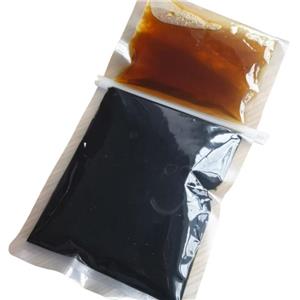
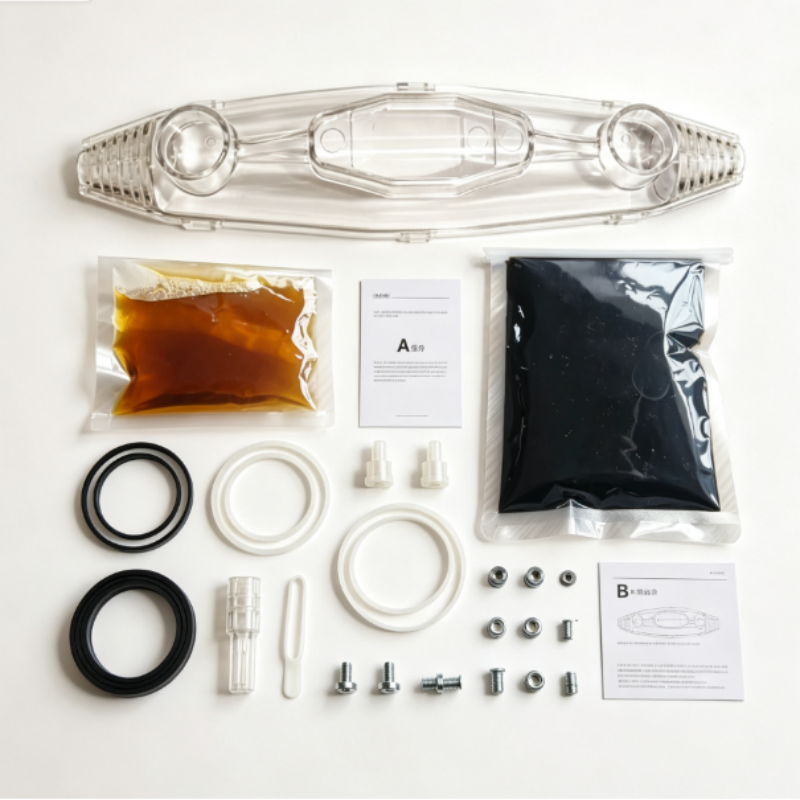
Our epoxy resin potting compound features a two-component formulation that cures at room temperature. By doing away with the need for complicated high-temperature curing equipment, it perfectly fits the installation of cable connections at the site and mass production as well.
After curing, the material cannot be easily damaged by impacts. It looks like a durable protective coat on the cable connection section that covers and protects the internal connection structure. In addition to that, the hardened resin is a very good moisture barrier and it also helps in preventing the cable connections from getting corroded due to exposure to air.
Designed to meet the diverse requirements of cable projects, this epoxy resin potting compound is suitable for medium- and low-voltage cable connections in indoor, outdoor, underground, and underwater environments. It's especially good for projects that require a high level of both mechanical protection and electrical insulation.
2. Cable joint filling resin: Combining resisting moisture and dust with shock absorption
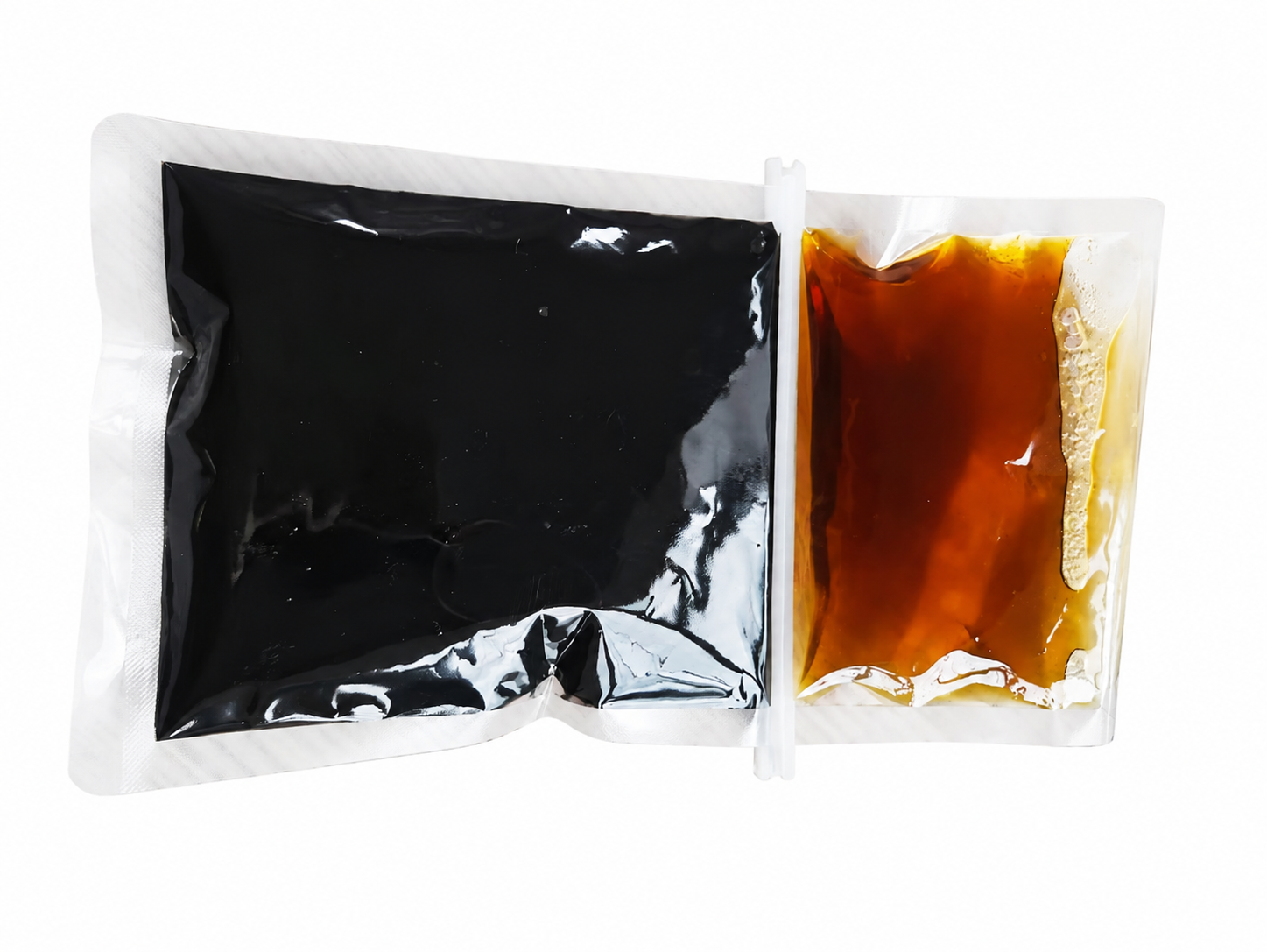
Our cable joint filling resin is a two-component polyurethane potting resin.Potting and protection of electronic components and electrical equipment is the main use of this product. However, based on the specific structural requirements, it may also be used for sealing and insulation of cable connections.
Being an excellent electrical insulator, this product enables the internal electrical components to be protected reliably. Its low viscosity structure naturally inhibits rotation and self-level after pouring, consequently projecting a very smooth surface to the cast mold. During the potting process, the resin thoroughly infiltrates into the deep parts of the components and connection areas, thus improving potting integrity.
Regarding the compatibility with materials, this urethane potting compound sticks well to both metal and non-metal materials, thus fulfilling the potting requirements of different electrical components and connection structures. Besides that, the product is equipped with the low water absorption capability - which means it rarely absorbs moisture and hence the impact of moisture on the potting material and internal electrical structures will be kept at the minimum. Another fact is that its curing temperature range is so broad that it is possible to use this product in different installation environments.
When it comes to electronic components, electrical equipment, and connection parts that require complete protection against moisture, dust, and shock, in addition to highly reliable insulation functions, this cable joint filling resin is able to offer all the potting solutions one can imagine.
How Do You Choose Between These Two Types of Potting Compounds?
Looking at procurement, these two products are not just alternatives that can be swapped for one another.
Instead, the choice should largely be determined by the specifics and requirements of the project.
If the project is mainly about providing:
· Mechanical protection and electrical insulation for medium- and low-voltage cable connections
· Deployment in any of these environments: indoor, outdoor, underground, or underwater
Then our epoxy resin potting compounds could be the most important options to look at first.
As an illustration, in case the focus of the application is:
· Achieving electrical insulation, being impermeable to moisture and dust, and capable of withstanding shocks
· Taking into account the material's flowability, suitability for molded parts, and ability to adhere to different substrates
Our urethane potting compounds would be the first choice to test.
If you are planning to purchase in bulk, our recommendation is to first do sample testing with the bulk you got, so you can consider the actual cable specifications, connection setups, installation temperatures, and environments of operation, etc.You have to discover the correct potting material.
CCMT—Your Premier Supplier of Cable Accessories.
CCMT (Changchun Chemistry Technology Co., Ltd.) was established in 1986. The company has been operating in the cable accessories industry, mainly focusing on power and telecommunication, for over 40 years. The products we have heat-shrinkable and cold-shrinkable products, cable joints, sealing mastics, waterproof tapes, and many more, totaling a well-organized product range for different voltage levels and types of indoor/outdoor environments.
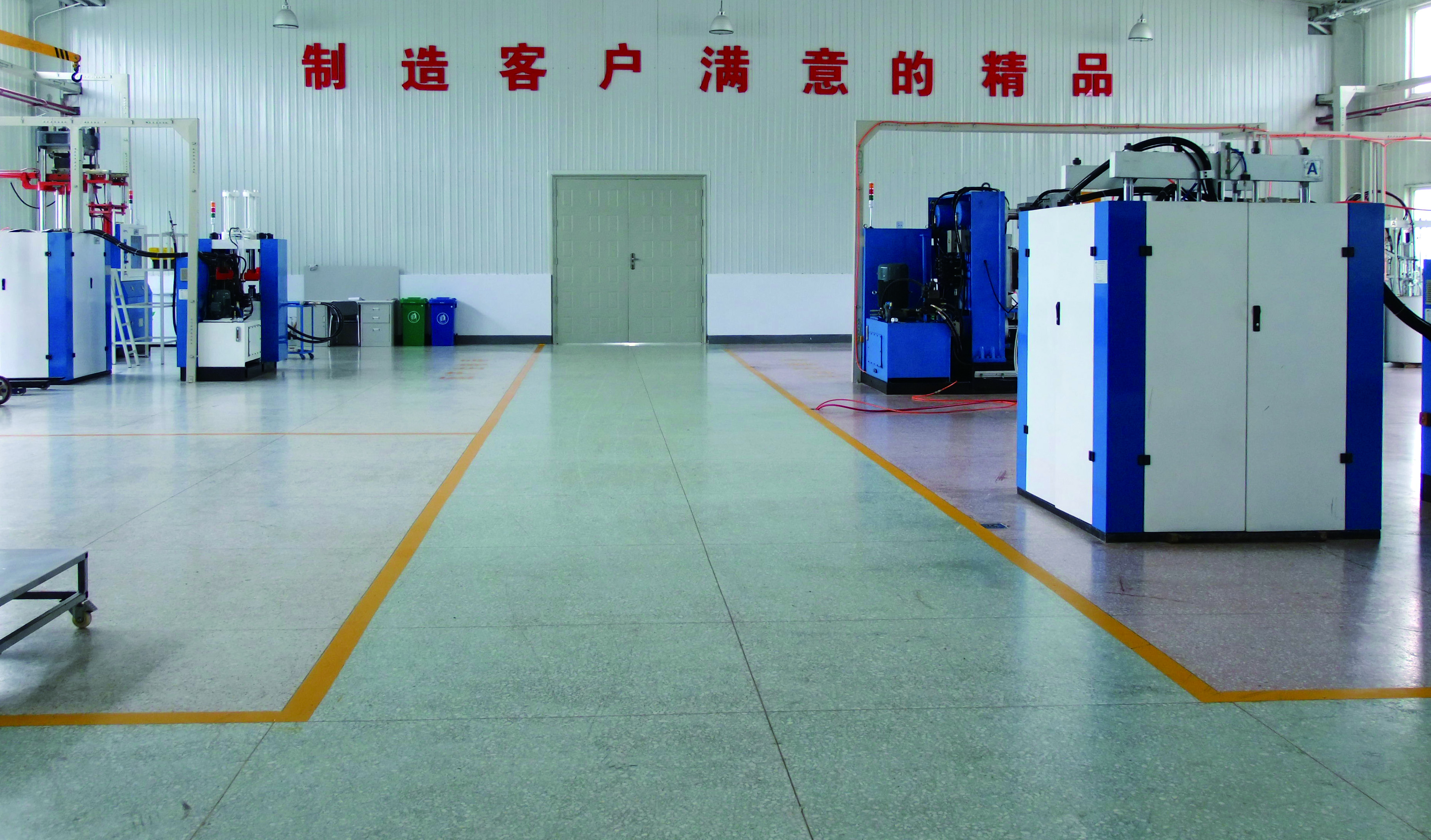
CCMT currently has a production site of over 10,000 square meters, and it is well-equipped with the extrusion, molding, injection molding, and expansion works. In addition, CCMT quality management system is a certified ISO 9001:2015 (00123Q36311R5M/2200), and the product standards comply fully with environmental regulations such as ROHS and REACH.
We deliver not only single sealing materials but entire cable sealing product sets covering cable connection, termination, insulation, waterproofing, and mechanical protection.
To recap, there are really no "best" sealant as a single one. There are only materials that can be better fit for certain environment application.
Back to the original question—what is the best sealant for electrical connections?
The answer is not just a matter of polyurethane or epoxy, people.
We suggest buyers to give more importance to factors assessment like:
· Cable specifications
· Connection structure
· Operating temperature
· Environmental humidity
· Mechanical stress
· Installation conditions
· Project service life
When you have thoroughly evaluated these requirements to identify the right material system, your next step should be to confirm the final solution by testing samples and analyzing technical data.
If you are planning to purchase cable joint filling resins or epoxy potting compounds for sealing, waterproofing, or insulating electrical connections, we strongly advise you to include the cable type, connection method, application environment, operating temperature, and expected purchase volume in the inquiry for achieving desired results.