Application of Cable Bottling Glue and Epoxy Bottling Compound in Cable Connection Sealing
The firmness of wire connection not only depends on the crimping, welding or terminal connection method, but also closely related to the insulation and sealing protection after connection. After the cable connection is completed, the connection area is easily affected by factors such as moisture, moisture, dust, temperature changes, and mechanical vibration. For cable systems that require long-term reliable operation, it is usually necessary to further insulation, sealing and potting protection on the basis of completing the conductor connection.
This article will introduce how to improve the overall reliability of wire connections, and focus on the performance characteristics of cable potting glue and epoxy potting compound and their application in cable connection sealing, helping you choose a more suitable sealing material.
The Wires Are Connected Firmly, Why Do We Need Potting?
Cable connections often have transition areas between multiple materials, such as conductors, insulation, cable jackets, and connectors. Different materials have differences in thermal expansion and mechanical properties, and during long-term operation, the connection area may withstand thermal cycles, vibration and external environmental changes.
For outdoor power systems, underground cables, industrial equipment and communications infrastructure, moisture entering connection areas is one of the top concerns during the procurement process. The potting material fills the space around the connection area and forms a continuous protective layer after curing, thereby reducing the chance for moisture, air and pollutants to directly contact the connection area.
"What is the strongest way to connect wires?" From the perspective of engineering procurement, what is more worth discussing is actually
"How to make the wire connection method, insulation system and joint sealing scheme form a complete protection system?"
This is also the important value of cable potting glue.
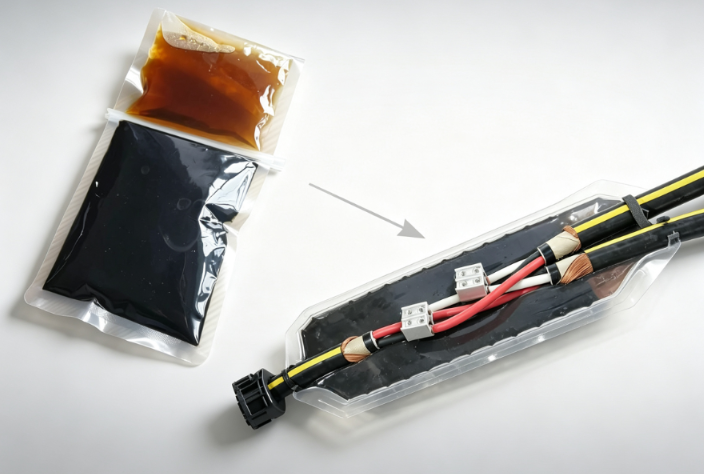
Cable Polyurethane Potting Glue: Suitable for Connection Protection Focusing on Sealing, Flexibility and Environmental Adaptability
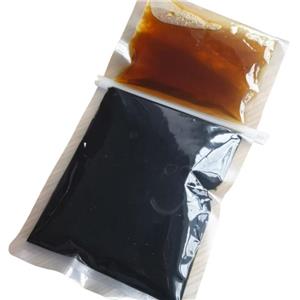
Cable potting glue is a two-component material commonly used for cable connections, electronic component packaging and electrical insulation protection.
The cable itself usually has a certain flexibility. If too rigid protective materials are used in the connection area, different degrees of stress may occur between the material and the cable sheath under long-term temperature changes or mechanical vibration environments. Therefore, when selecting potting materials, purchasers not only focus on hardness, but also need to consider the degree of matching between the material and cable jackets, connectors and other substrates.
As a supplier with more than 40 years of experience in the cable accessory industry, our cable polyurethane tipping glue can also achieve lower mixing viscosity and better fluidity based on different product formulations, allowing materials to enter the gaps around the connection area. If your project focuses on:
· Cable connections are waterproof and sealed;
· Requires certain flexibility and stress buffering capacity;
· Temperature cycling exists in the connection area;
· Cables need to be outdoors or in complex environments for a long time;
· Hope that the potting material has good flow and filling capabilities;
Then cable polyurethane potting glue can be used as a key material system to be considered.
Epoxy Potting Compound: Suitable for Connection Areas Where Hardness, Mechanical Protection and Structural Stability Are of Concern
Epoxy potting adhesives usually place more emphasis on hardness, adhesion and structural stability after curing. When the cable connection area requires strong mechanical support, or when product design pays more attention to hard protective layers, epoxy potting adhesives have certain advantages.
When purchasing, you cannot simply think that "the harder the harder the stronger the stronger the".
Cable connections are not simply static structures. The hardness of the material must match the actual application environment. If there is significant thermal cycling or mechanical displacement in the connection area for a long time, pursuing high hardness alone may not be the best solution.
For purchasers, what should really be compared is:
· Curing hardness
· Adhesion performance
· Dielectric properties
· Environmental resistance
· Curing method
· Compatibility of cable sheath materials
In other words, epoxy potting compound is more suitable for applications that emphasize mechanical protection and structural stability, while cable potting glue can focus on scenarios that require certain flexibility, environmental sealing and stress adaptability. Ultimately, cable structure, operating conditions and particular technical requirements will play their parts and it is these very factors that will eventually decide the last step in the selection process.
CCMT: From Cable Accessory Manufacturing to Connection Sealing Materials.
Changchun Chemistry Technology Co., Ltd. was a 1986-founded enterprise that devoted its efforts to the area of power and communication cable fittings. As a result, at this time, it has established a product system which includes a variety of items such as heat shrinkage, cold shrinkage, cable joints, sealing materials and Waterproof products to name a few. The products cover Cable applications of 220kV and below.
After more than 40 years of industry accumulation, we have a modern production base of more than 10,000 square meters and more than 200 employees, and are equipped with a variety of professional production equipment, forming a production system covering extrusion, molding, injection molding and expansion processes. The company has also established an ISO 9001:2015 quality management system and continues to carry out product development and process optimization.
The above strength means that we provide not only a single chemical material, but connection protection solutions based on experience in cable accessory application. This is especially important for cable accessory dealers, power engineering contractors, cable manufacturers and OEM customers. Because potting glue is not ultimately used independently, but needs to work with cable joints, insulation systems and sealing structures.
CCMT also has project experience in the nuclear power field. In 2020, our company obtained the relevant supplier qualifications of China Nuclear Industry Corporation, and was responsible for the design and manufacturing of Class 1E control cable heat shrink terminals and medium and low voltage power cable heat shrink terminals. This project experience also allows us to understand customer needs from the perspective of the overall application of cable accessories, rather than just providing products from the perspective of material sales.
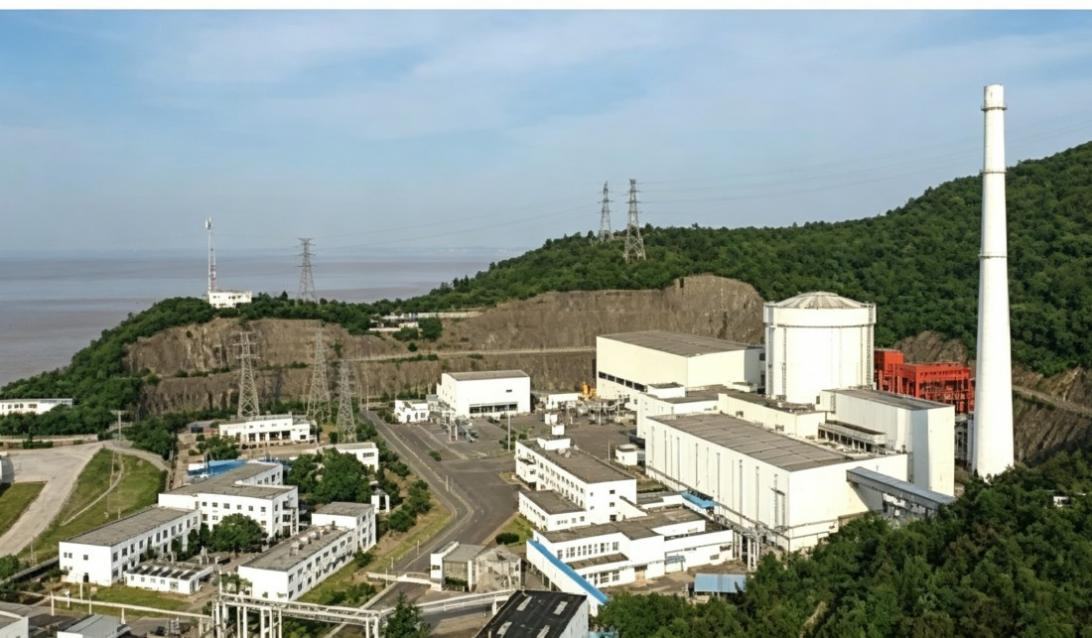
Choose the Right Potting Compound to Make Wire Connection Protection More Complete.
Whether the wire connection is strong or not is not determined by a particular material alone.
Reliable cable connection solutions should be comprehensively considered from multiple aspects: conductor connection method, insulation structure, mechanical protection and sealing performance. After completing the conductor connection, filling and sealing the connection area with a suitable potting material can further reduce the risk of moisture, moisture and external contaminants entering the connection area and provide additional mechanical and environmental protection for the connection point.
If you are purchasing cable potting glue, epoxy potting compound or other materials for cable connection sealing, it is recommended to provide the cable type, connection structure, use environment, working temperature, voltage level and expected purchase quantity during the inquiry stage to further determine the product plan suitable for mass production and engineering applications.
For cable connections, what is really worth purchasing is not simply "harder" materials, but long-term sealing protection solutions that match the connection structure and operating environment.