Cable Connection Compound Vs. Electrical Potting Epoxy: A Selection Guide
Cable connections require reliable sealing and insulation protection to withstand moisture, mechanical shock, and complex operating environments. Polyurethane and epoxy potting materials are two common ones that can be applied for cable potting. However, each application requires specific materials. This article will guide you on how to select the best material by looking at various characteristics such as the type of materials, the operating environment and the manufacturing processes.
Why Are Cable Connections Potted?
The structure of cable connections typically requires more attention to sealing and insulation protection than the intact cable. During normal use of cable systems, the cable connections may be affected by:
· Humidity and wet conditions
· Dirt and other foreign elements
· Sudden impact
· Continuous shaking
· Fluctuations in temperature
· Harsh installation sites
The material used for potting creates a protective covering around the cable connections. It is a sealant and insulation barrier between the cable and the connection parts. For cable accessories in the power, electrical, and communication fields, the choice of potting material not only affects construction efficiency but also the long-term performance of the cable connection.
Therefore, when purchasing potting compounds, one should not only focus on the material price but also make a comprehensive judgment based on material performance, construction methods, and the final application environment.
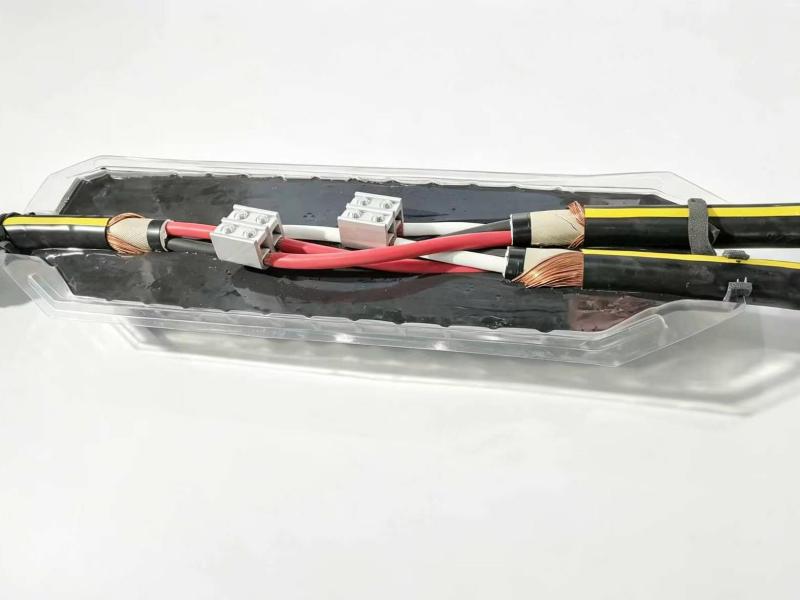
What Cable Connection Applications Are Suitable for Cable Connection Compounds?
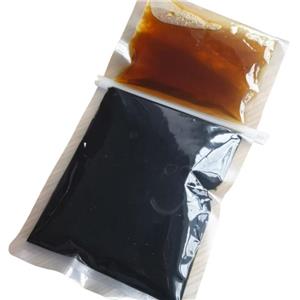
Polyurethane potting compounds are one of many potting materials available for cable connections. Our company's urethane potting compounds, for example, employ a two-component potting system designed for potting, sealing, and insulation protection of cable connections. The key features of our cable connection compounds are as follows:
1. High-Efficiency Potting and Filling, Enhancing Sealing Protection
Cable connection shells typically contain various connection structures and spaces. The potting material needs excellent flow and filling capabilities to penetrate the areas requiring protection.
Our urethane potting compounds emphasize high-efficiency potting and filling, helping to form a continuous protective layer, thereby improving the sealing and protection capabilities of the connection. For cable accessory manufacturers, this material characteristic helps improve the consistency of the potting process and facilitates mass production.
2. Excellent Insulation Performance, Providing Protection for Cable Connections
A core requirement for cable connections is insulation protection. We consider electrical insulation performance to be one of the key properties of cable connection compounds.
After the potting material fills the connection area, it provides insulation protection for the cable connection, while also helping to reduce the risk of external factors such as moisture and dust entering the connection area. Therefore, insulation performance should be one of the key indicators to confirm when purchasing cable potting materials.
3. Flexibility and Shock Resistance, Adapting to Complex Operating Environments
Cables are not necessarily installed in completely static and stable environments. In real-life engineering projects, various external factors such as installation stress, mechanical vibration, and physical impacts may affect the cables.
Our urethane potting compounds are formulated with flexibility and resistance to shocks as top qualities; therefore, they are ideal for cable connection applications where the mechanical environment is constantly changing.
Besides sealing the connection, being in harmony with the working environment is another important aspect purchasers have to assess before selecting potting materials. The potting compound should be able to seal off the connection, but more importantly, it should be compatible with the cable system's actual operating environment.
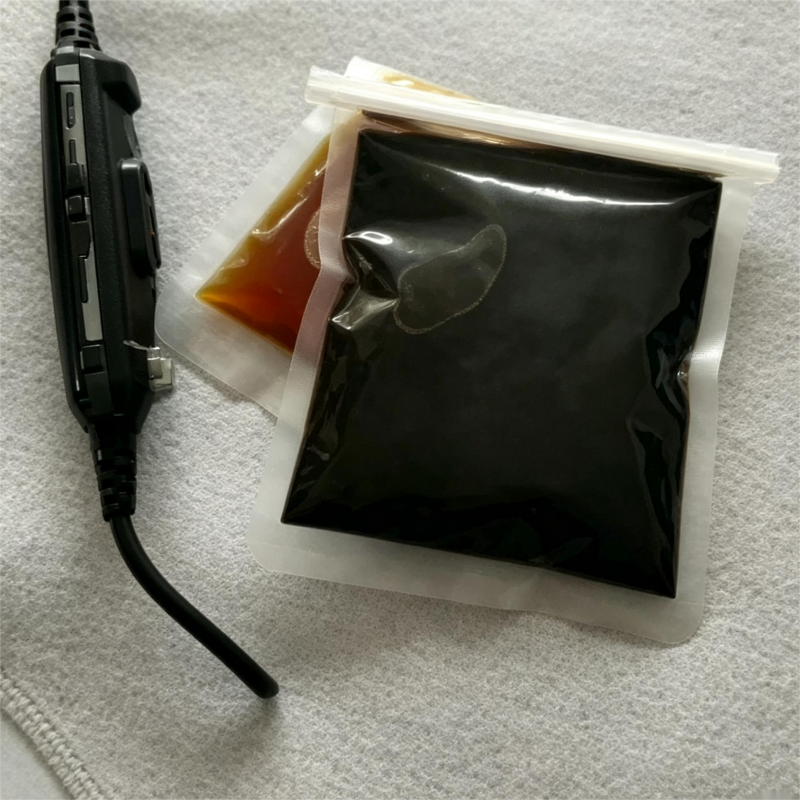
How to Choose Between Cable Connection Compound and Electrical Potting Epoxy?
For cable connection potting, there is no absolute superiority of one over the other. Both materials have their own application characteristics. A more reasonable approach is to start from the actual project requirements.
The following factors should be considered:
1. Cable Operating Environment
First, determine where the cable will ultimately be installed.
For example:
· Indoor or outdoor?
· Is there a humid environment?
· Is there significant vibration?
· Is there mechanical impact?
· Are there complex construction conditions?
If the project prioritizes the material's flexibility and impact resistance, polyurethane potting materials should be prioritized.
2. Insulation and Sealing Requirements
The basic function of cable connections determines that only a combination of potting material which provides: Insulation + Sealing + Environmental Protection will be able to fulfill its role correctly.
Buyers of these materials shall check the insulation level of a particular material, its ability to seal, and its ability to adapt to environmental exposure over a long time. Their decision should take into account all the factors of the specific cable system and they should choose the right material.
3. Material Properties After Curing
Different projects may have different requirements for the cured state of the potting material.
Buyers should focus on inquiring about:
· Hardness after curing
· Flexibility
· Impact resistance
· Compatibility with cable accessory structures
· Stability under long-term operating conditions.
If the product structure or application environment prioritizes flexibility and protection, polyurethane can be a primary evaluation target. For applications that prioritize structural stability and mechanical protection after curing, epoxy potting materials can be further evaluated. After all, the determination can only be arrived at through direct product testing.
When choosing potting compounds, don't just compare material prices.
B2B customers are only comparing the cost per kilogram and this leads them to completely overlook the real total cost of the material. An example:
· How long does the potting process take?
· Is it easy to apply?
· Does it require complex equipment?
· Can the curing speed meet production schedules?
· Will the potting meet project requirements?
· Will rework be required?
· Can a stable batch supply be maintained?
These factors ultimately affect the actual procurement cost. Therefore, a more reasonable approach is to calculate: material cost + construction cost + production efficiency + product reliability + post-construction maintenance risks, rather than simply comparing the unit price of the material.
Why Choose CCMT as Your Cable Potting Material Supplier?
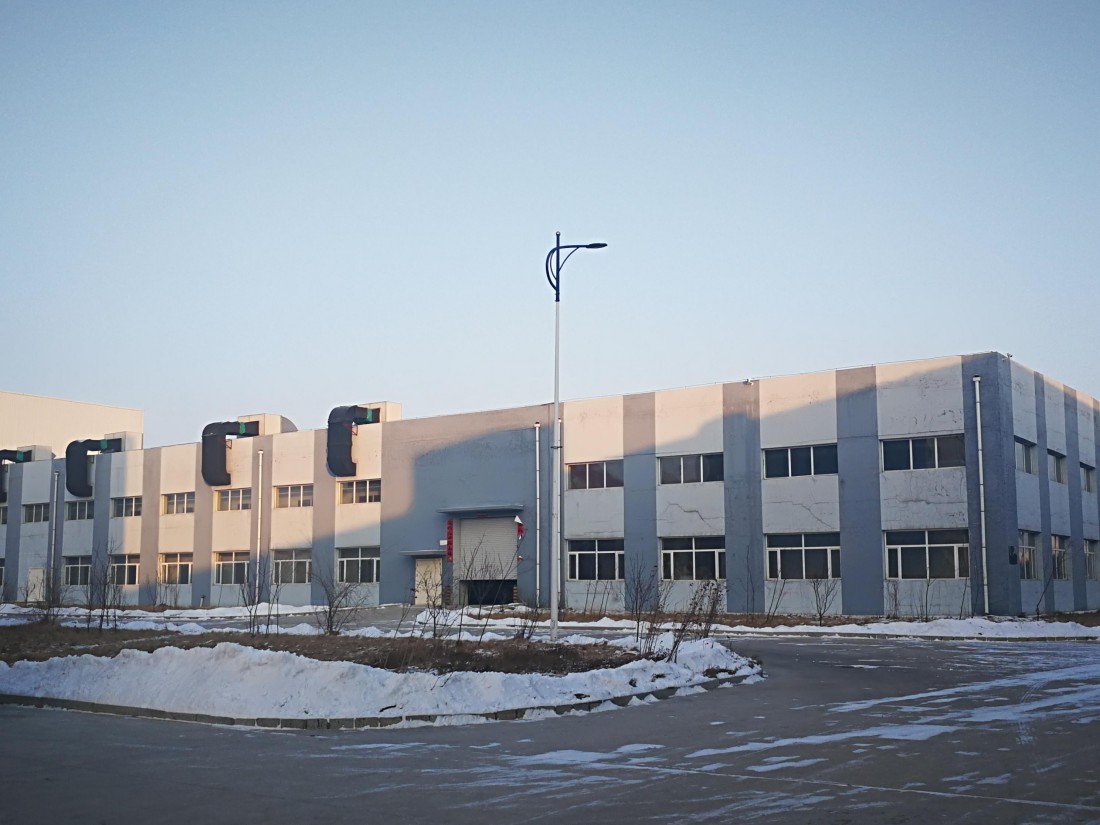
We have long focused on the power and communication cable accessories field, continuously developing and manufacturing cable accessories and related insulation and sealing products since 1986. With over 40 years of experience in the cable accessories industry, we not only focus on the performance of the potting compound itself, but also combine cable connections, insulation materials, sealing structures, and actual construction requirements to provide customers with potting material solutions that better match their application needs.
We are ISO 9001:2015 quality management system certified and offer OEM/ODM and customization services to meet the material needs of different products and application scenarios. Our products enable cable accessory manufacturers and engineering contractors as well as bulk purchasers to expedite their work while maintaining a high level of product quality. Customization is easy with our flexible systems and constant support ensures continuous reliable supply.
Conclusion: The Right Potting Material Is One That Matches the Application Scenario.
Both polyurethane potting compounds and electrical potting epoxy can function effectively in various potting applications. For cable connections, the crucial question isn't simply, "Is polyurethane better, or epoxy?" But rather, clarifying the following:
· What is the structure of the cable connection?
· What is the operating environment?
· What are the insulation requirements?
· What are the sealing requirements?
· Are there vibrations and mechanical shocks?
· What are the production or construction methods?
· What are the curing time requirements?
· Is long-term inventory and bulk supply necessary?
Once these questions are clarified, matching the material's actual performance will lead to a more suitable potting solution. For projects needing potting, insulation, seal protection of cable connections, Changchun Chemistry Technology Co. Ltd. is a good option when it comes to polyurethane potting as it offers the product and other solutions together.
Purchasers should choose the material based on factors like material performance,construction efficiency,application environment, and long-term operational requirements apart from the names or prices of different materials. The decision making process should be a comprehensive one.