What Is the Difference Between Molded Heat Shrink Boots and Heat-Shrink Tubing? How Do You Choose Between Them?
In cable connection and wiring harness protection projects, both heat shrinkable molded sleeves and heat shrinkable sleeves can be used for electrical insulation and mechanical protection, but the two are not completely replaceable for each other. The key factor that a buyer should pay attention to is not simply which product is better but also whether the physical cable connector area design of the cable supports the functioning of the particular product. In this article, one can discover the suitable choice in cases where the branch connection part is not straight, it has corners or different dimensions shapes, etc.
Different Structural Forms Determine the Scope of Application.
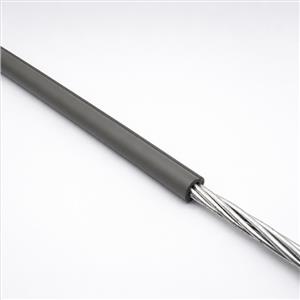
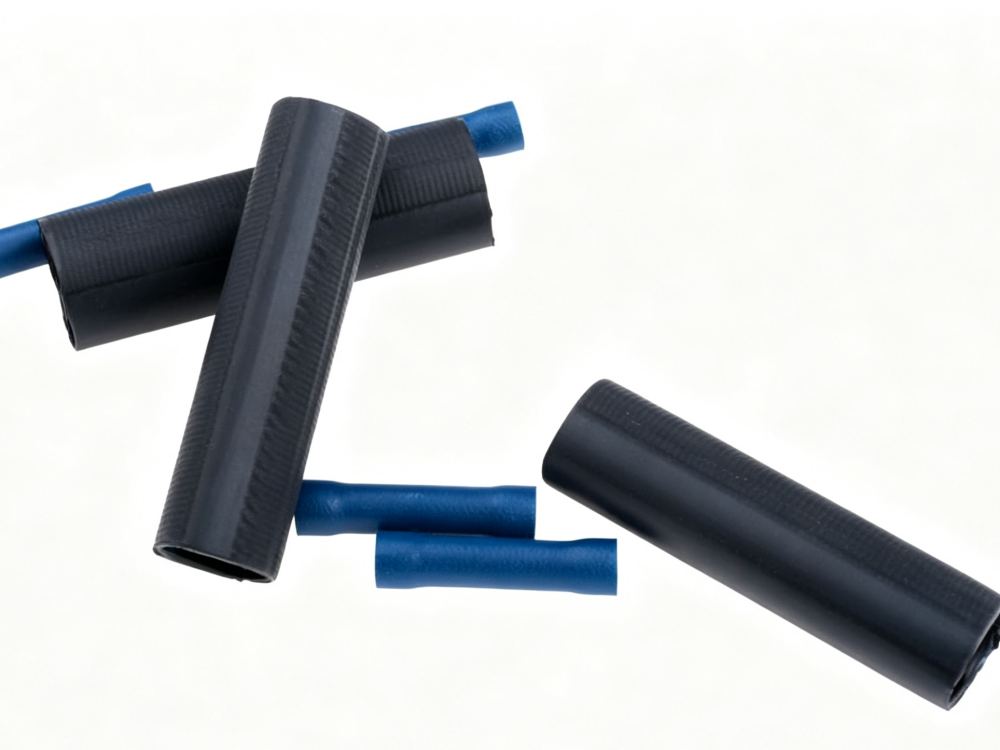
Heat shrink sleeves are usually continuous tubular structures that are wrapped around the outside of wires, cables, or connections when installed and shrink by heating to form coating and insulation protection. This structural layout is ideal to be applied where you have very long areas and these are straight with the changes in sizes being negligible. Heat-shrinkable sleeves for heat protection can be the best choice if you are looking to protect one single wire, an entire group of wires, or a regular connector.
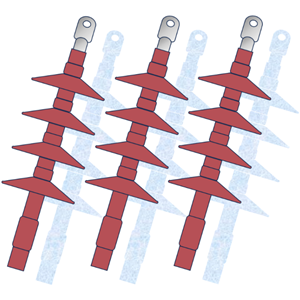
On the other hand, molded heat shrink boots are generally made of a fixed size and shape that exactly fit a connection structure. As another example, extra fittings could be incorporated with a set that is meant for a cable to turn, make a branch, or even go to other side, in general, the set would contain the required items to handle those situations. A kind of a boot might be made that it is possible for the boot to cover the places which are very difficult to reach for the usual pipe that the normal cannot entirely cover. In such a case, a curved section dedicated boot would definitely give a very good cover.
In projects where the connection locations are relatively regular, ordinary heat shrink sleeves should be considered as a solution first. When the connections involve some clear branching or the location is quite complex, molded heat shrink boots may provide an even better solution.
When It Comes to Branch Cables, Heat Shrinkable Molded Sleeves Are Usually More Advantageous.
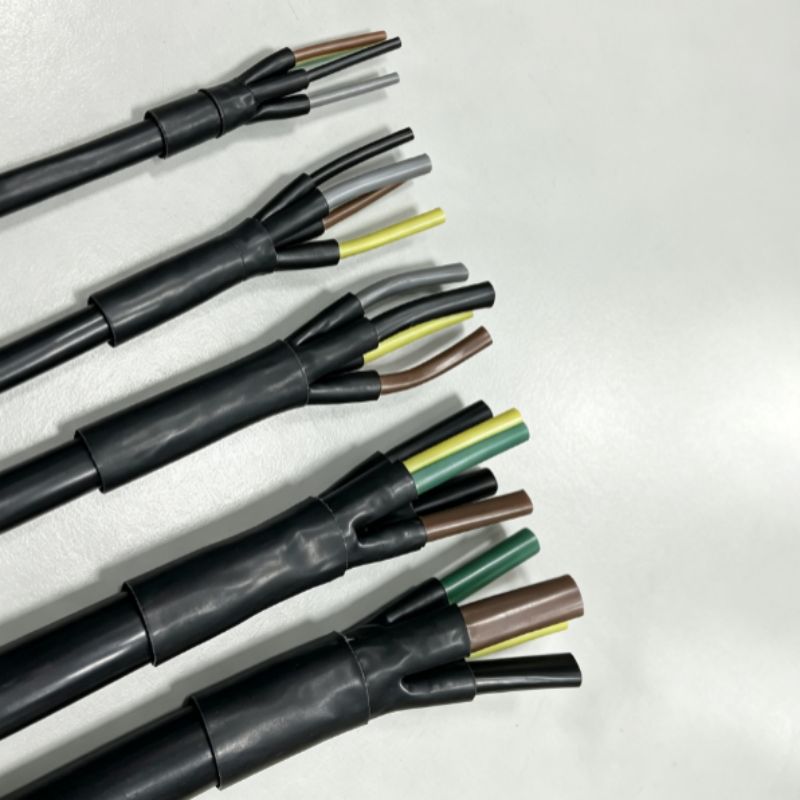
The places where several wires or groups of cables join together are typically places that you have used only one single heat-shrinkable cover. This means that they are actually a whole pipe or tube without any interruption along its length in a way that is quite a normal and plain kind as such. If it is necessary to cover the branch area, multiple stages of processing may be required, or other auxiliary sealing methods may be used.
The heat-shrink molded sleeve can be designed according to the branch structure so that the product can cover the main line and branch areas at the same time after shrinking, reducing the possibility of protection blind spots in complex connection positions.
Therefore, for cable projects with multi-branch, Y-shaped, or other special-shaped connection structures, buyers should give priority to the structural matching of the products when selecting models, rather than just comparing prices.
The Sealing Method Is Also a Factor That Needs to Be Paid Attention to When Selecting a Model.
For outdoor equipment, vehicles, ships, and industrial electrical systems, in addition to requiring insulation, electrical connection areas may also need to reduce the risk of moisture, dust, and other external factors entering the connection.
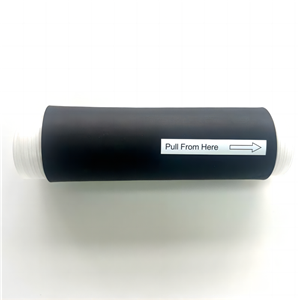
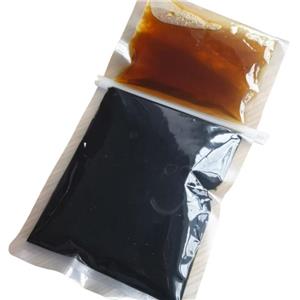
The heat shrink transition boot combines sealant or other sealing structure to allow the product to fit more closely into the protected area after shrinking.
Ordinary heat shrinkable sleeves mainly rely on their own shrinking coating effect to achieve protection. If the project has high sealing requirements for the connection area, it is necessary to further confirm whether the sleeve has sealant and whether the end and connection position can form continuous protection.
Therefore, when selecting a model, we should not just look at "whether it can be thermally shrinkable" but also see whether the entire target area can be covered and sealed after the heat shrinkable is completed.
The Difficulty of Installation Depends on the Connection Structure.
From an operating point of view, the installation method of heat shrink sleeves is usually relatively straightforward. After positioning the sleeve at the target position, it can be heated and shrunk. But on the other hand, when there are cables, wires, branches, or complex multiway structures in the connection area, using just the tubular products may necessitate more positioning, cutting, or coupling actions.
Heat shrink molded covers, thanks to their pre-shaped structure, can simplify the handling of some intricate areas. Thus, in projects involving the large-scale processing of wire harnesses or high installation consistency demands, the evaluation should also consider the characteristics of the product itself. The more complex the structure, the more attention should be paid to whether the product can cover the target area at one time.
When Will Molded Heat Shrink Boots Be Enough?
If the project has the following characteristics, heat shrink sleeves can usually meet the needs:
· The protected area has a linear or regular structure
· Small change in cable or harness size
· No complex branches
· The main needs are insulation and basic mechanical protection
· Installation space allows normal insertion and contraction of the casing
In such cases, there is no need to choose heat shrinkable molded sleeves for more complex structural forms. Heat shrinkable sleeves have a more direct installation method and wider applicability.
What Situations Are More Suitable for a Heat Shrink Transition Boot?
If the following conditions exist in the cable connection area, heat shrinkable molded sleeves can be considered mainly:
· Cable branches or multi-directional outgoing lines
· The connection area is irregular in shape
· Ordinary sleeves are difficult to cover completely
· Requires continuous protection of multiple connected areas
· The project requires high structural integrity and protection effect after installation
Simply put: Heat shrink sleeves are preferred in regular areas, while molded heat shrink boots are more worthy of consideration in complex connections and branch areas.
In Addition to Structure, Heat Shrinkage Properties Also Need to Be Paid Attention To.
No matter which product you choose, buyers should not ignore the heat shrinkage properties of the material itself.
Take our company's heat shrink transition boot as an example. Its radial change rate is ≥50%, its axial change rate is ≤10%, and its shrinkage temperature is about 150℃. Higher radial shrinkage capabilities help the product fit wires and connection areas of different sizes after heating, while lower axial changes help control length changes after installation.
In addition, this product of CCMT has the characteristics of flexibility and flame retardancy, and its continuous working temperature range is -55℃~+125℃. In terms of mechanical properties, the tensile strength is ≥14.0 MPa, the elongation at break is ≥500%; the dielectric strength is ≥20 kV/mm, and the volume resistivity is ≥1.0×10 13 Ω·cm, which can meet the basic needs of insulation and mechanical protection in the electrical connection area.
The significance of these parameters is not just higher performance but also the need to determine whether they match the actual operating temperature, installation method, electrical requirements, and connection structure.
Final Selection: Don't Just Compare Product Prices.
There is no absolute good and bad relationship between a heat shrink sleeve and a heat shrink transition boot. When purchasing, you can make judgments according to the following ideas:
| Project | Heat-Shrink Tubing | Heat Shrink Transition Boot |
| Structure | Tubular | Pre-molded structure |
| Regular Linear Sections | Suitable | Suitable for use |
| Branch Sections | Relatively restricted | Better suited |
| Irregular Connections | May require additional processing | More targeted |
| Installation | Usually simpler | Depends on the structure |
| Key Advantages | Versatile, straightforward | Designed for complex connection areas |
| Selection Criteria | Size, shrink ratio, temperature, etc. | Structural fit, branching configuration, coverage, etc. |
The actual cable project should be such that the buyer first verifies the shape of the connection area and the outlet mode; then they decide upon the exact product depending on voltage level, working temperature, environmental conditions, size, andinstallation.
Ccmt's Heat Shrink Transition Boot Is Suitable for a Variety of Electrical Connection Protection Scenarios.
With over four decades of manufacturing experience, we, cable accessories suppliers, can proudly say that our heat shrink transition boots are perfectly tailored to the application needs of public transport, military and high-reliability equipment, commercial ships, and industrial electrical equipment. As another example, extra fittings could be incorporated with a set that is meant for a cable to turn, make a branch, or even go to other side, in general, the set would contain the required items to handle those situations.
A kind of a boot might be made that it is possible for the boot to cover the places which are very difficult to reach for the usual pipe that the normal cannot entirely cover. In such a case, a curved section dedicated boot would definitely give a very good cover.
Select the Right Heat Shrink Product, Starting with the Connection Structure.
For cable projects, the key to choosing a heat shrink transition boot or heat shrink sleeve is not the product name but the actual structure of the protected area. Sometimes straight or single connections will go with simple heat shrink sleeve only but the branches or corners or complex connection will go better with more targeted mold in heat shrink boot.
Changchun Chemistry Technology Co., Ltd. specializes in heat shrinkable, cable accessories, and also develops custom products to suit customer requirements and provides corresponding product solutions according to cable connection structures and application needs. For such procurement items that require verifying product size, heat shrink behavior or structural compatibility, please reach us early during selection to reduce installation and later rework risks.