Determining Whether to Use Cold Shrink or Heat Shrink Cable Terminations for Your Project
In power distribution projects, the selection of cable terminals is directly related to the insulation performance, electric field control and sealing protection effect of cable terminals. Cold shrink terminations and heat shrink cable termination are two common cable accessories at present. Although both are used for insulation treatment and protection of cable ends, there are some differences in material characteristics, installation methods and applicable conditions.
What Is the Difference Between the Two?
The main difference between the two cable terminals is that the shrinkage of the insulating material is different.
· Cold shrink terminations
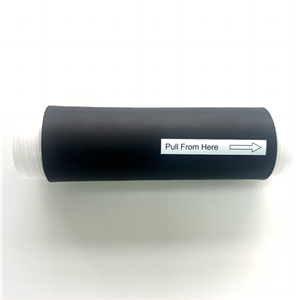
Usually, elastic insulating materials such as silicone rubber are used, and the product is pre-expanded and installed on a detachable support tube. During construction, the installer sets the terminal to the end of the treated cable, and gradually pulls out the internal support tube core. The material will rely on its own elastic retraction and closely fit the cable surface.
Because there is no need to use external heating equipment or open fire, the cold shrinkable terminal is convenient in places with limited construction space, high installation position or limited open fire operation. At the same time, the silicone rubber material also has good elasticity, weather resistance and sealing performance.
· Heat shrink cable termination
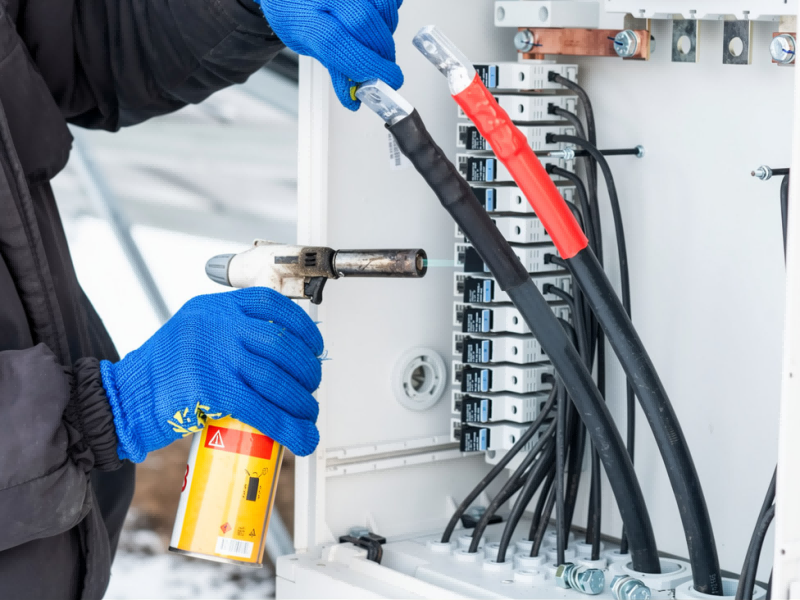
Insulating materials with thermal shrinkage properties such as cross-linked polyolefins are usually used. When installing, it is necessary to use a hot air gun or other appropriate heating tool to shrink the terminal assembly and tightly cover the cable.
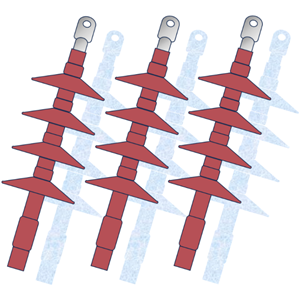
Depending on the voltage level and product structure, the heat shrinkable terminal package usually includes components such as stress control tubes, insulation tubes, sealing components, and rain-proof skirts. These components cooperate with each other to achieve electric field control, insulation recovery and cable end environmental protection.
Because of its rich product structure and specification selection, heat shrinkage technology is widely used in industrial power distribution, substation, new energy and infrastructure construction.
What Factors Need to Be Considered When Purchasing Cold or Heat Shrinkable Cable Terminals?
Understanding the basic differences between the two products is only the first step in selection. In the actual procurement process, it is recommended to focus on:
1. Voltage level and electrical performance.
The product rated voltage, insulation coordination, electric field stress control structure and related electrical test reports should be confirmed. Both cold shrink and heat shrink terminals have products of different voltage levels to choose from. For example, CCMT provides related product configurations suitable for 1kV to 36kV power systems, but the specific model needs to be determined according to the actual electrical requirements of the project.
2. Cable specifications and size matching.
Before purchasing, it is recommended to confirm the following parameters:
· Conductor cross-sectional area ;
· Outer diameter of cable insulation layer ;
· Cable type ( such as XLPE insulated cable ) ;
· Single-core or three-core cable structure ;
· Shielding layer and metal sheath configuration.
If the cable terminal does not match the actual cable size, there may be problems such as insufficient product fit, uneven insulation contact, or insufficient sealing effect.
3. Construction conditions and installation equipment.
Cold shrink terminations do not require external heating, and the shrinkage is mainly completed by positioning the product and pulling out the support core during the installation process. If the project site limits open fire operation, or heating equipment is not convenient to use, cold shrinkable products are usually more convenient for construction.
Heat shrink cable termination requires heating to complete the installation. The construction personnel should be equipped with appropriate tools and ensure that there is sufficient operating space to make the material evenly shrink. Uneven heating or high temperature may damage the material and affect the final installation quality.
4. Indoor and outdoor installation environment and operating conditions.
Outdoor cable terminals are affected by ultraviolet light, rainwater, humidity, temperature changes and environmental pollution for a long time, which may affect the performance of insulation materials. Therefore, when purchasing, it is necessary to pay attention to the weather resistance, moistureproof sealing, anti-aging ability and creepage distance of the product.
The silicone rubber cold shrinkable terminal has the characteristics of elastic recovery and environmental sealing. The heat shrinkable terminal can be designed with multi-layer structure and rain-proof skirt to provide corresponding insulation and environmental protection.
It should be noted that a technology cannot be simply considered to be more suitable for all harsh environments. The actual applicability still depends on the material formulation, product structure, voltage level and verified performance test results.
Cold Shrink Terminations or Heat Shrink Cable Termination? Which Is More Suitable for Your Project?
There is no absolute difference between cold shrinkage and heat shrinkage terminals. The key is whether the product meets the actual needs of the project. Purchasers can make a preliminary judgment by referring to the following comparison:
| Project Requirements | Recommended Products |
| Installation Without External Heating | Cold Shrink Cable Terminations |
| Open-Flame Work Is Restricted at the Installation Site | Cold Shrink Cable Terminations |
| Elastic Silicone Rubber Insulation Material Is Required | Cold Shrink Cable Terminations |
| Suitable Conditions for Heat-Based Installation Are Available On-Site | Heat Shrink Cable Terminations |
| A Multi-Layer Heat-Shrink Structure Is Required | Heat Shrink Cable Terminations |
| Stress Control Tubes and Rain Sheds Must Be Integrated | Heat Shrink Cable Terminations |
This is mainly used for preliminary selection reference, does not mean that a certain terminal can only be used for specific scenarios. Both technologies can be applied to different power distribution projects, on the premise that the technical parameters of the product match the cable specifications and operating conditions.
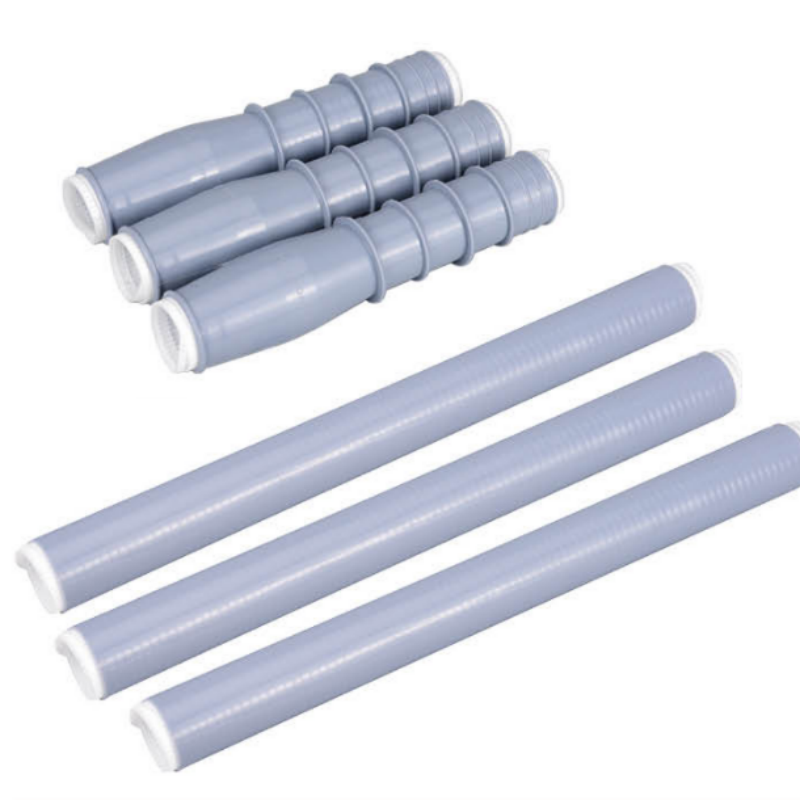
Cold Shrink Cable Terminations
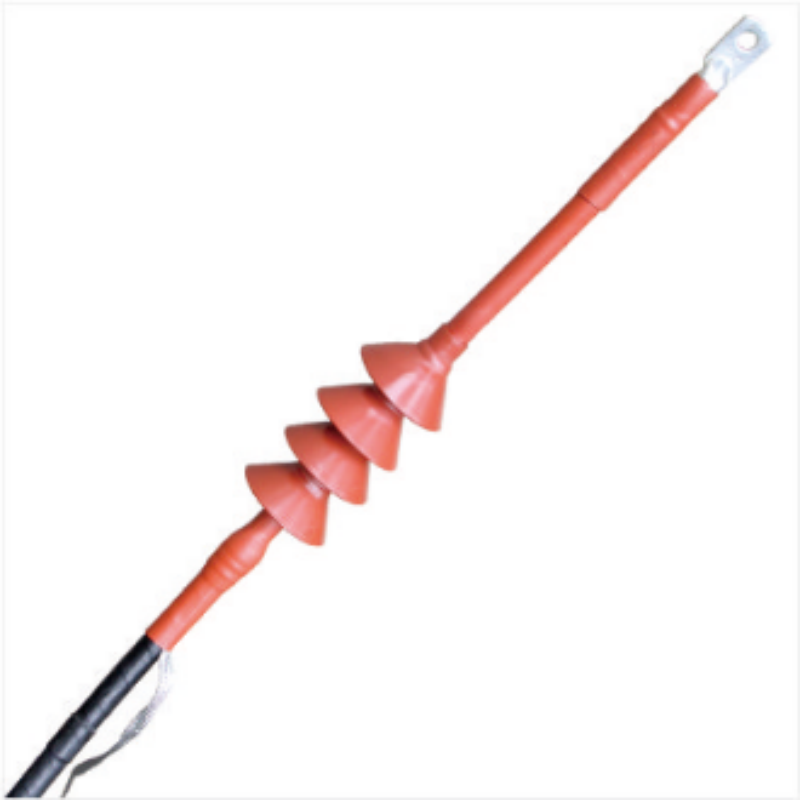
Heat Shrink Cable Terminations
What Information Should Be Provided to the Supplier Before Purchasing the Cable Terminal?
Incomplete procurement information is a common problem in the selection process of cable accessories, and it is also easy to cause repeated communication and model confirmation errors. In order to help suppliers accurately recommend the right terminal kits, buyers can prepare the following information before making an inquiry :
· Rated voltage: the nominal voltage of the cable system and the corresponding voltage level.
· Cable specifications: conductor cross-sectional area and outer diameter of the insulation layer.
· Cable structure: single-core or three-core cable, insulation material and shielding layer configuration.
· Installation location: indoor or outdoor, and whether there are special environmental conditions.
· Implementation standards: electrical standards and related test requirements required by the project.
· Purchasing quantity: expected purchasing scale and expected delivery time.
Based on this information, suppliers can further check the product size, confirm the required accessories, and recommend the appropriate product configuration according to the project requirements to reduce the selection deviation in the procurement process.
CCMT Produces Cold and Heat Shrinkable Cable Terminals for Low and Medium Voltage Power Distribution Applications.
Among them, the cold shrinkage series adopts pre-expanded silicone rubber structure, and the heat shrinkage series adopts XLPO insulation material and multi-layer protective structure, which can provide corresponding product configuration according to different project requirements.
In terms of enterprise strength, we were founded in 1986, with more than 10,000 square meters of production base, can support different specifications of products and OEM / ODM customization needs. If you are purchasing cable terminals for new power distribution projects, or need to carry out regular inventory stocking, it is recommended to provide information such as cable specifications and installation environment in order to match products more accurately.
Contact CCMT for Professional Cable Accessory Solutions
Looking for reliable cable accessories or customized solutions for your project? Contact CCMT to discuss your requirements and get professional technical support.
Contact CCMT for product specifications, technical assistance, and customized solutions.