What Insulation Protection Measures Are Needed for Overhead Lines? Overhead Conductor Cover Application Analysis
Many overhead line renovation projects encounter a practical problem: the line can still transmit electricity normally, but the surrounding environment has changed, and the originally safe wires are gradually facing risks such as contact with branches and entanglement of foreign objects. Compared with the comprehensive replacement of wires, adding insulation protection to key sections on the basis of the original line is a more controllable transformation method for cost and construction pressure.
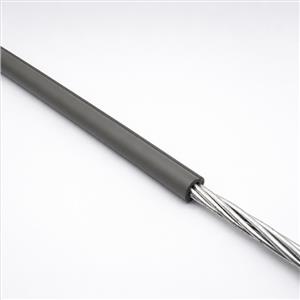
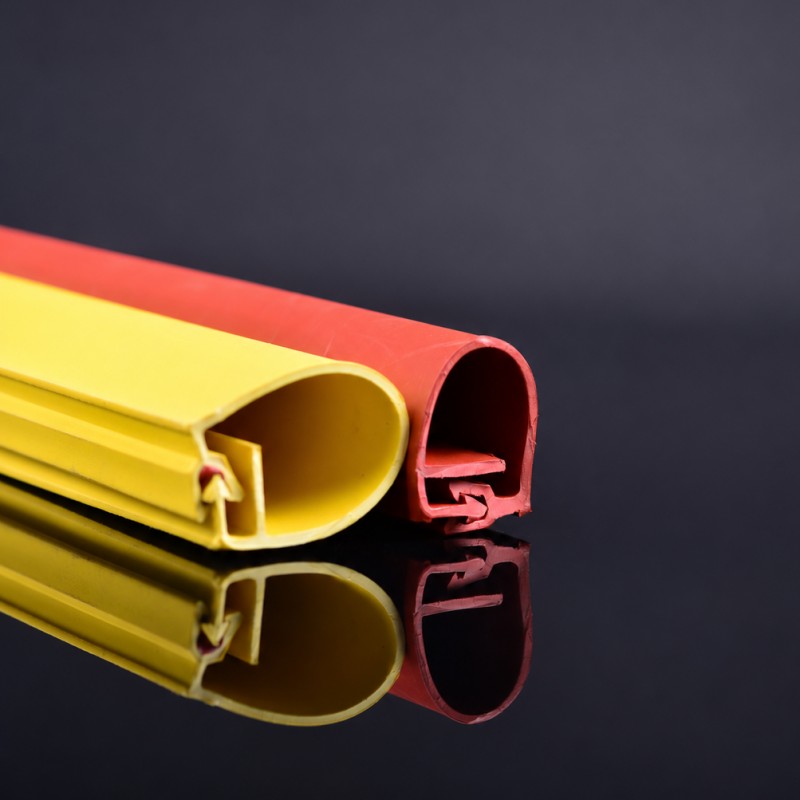
The overhead conductor cover is used for this type of overhead line protection needs. It is installed on the outside of bare wires to add an additional insulation protection layer to the wires. It is suitable for local renovation of existing lines and protection of key areas. This paper will start from the problems that may occur in the actual operation of overhead lines and analyze the application value and key points of procurement and selection of overhead line insulation sleeves.
Problems with Overhead Lines Generally Occur Several Years After the Line Is Built.
These will continue to change the operating environment around the line. Many line failures are not due to problems with the quality of the wires themselves, but to changes in the relationship between the exposed conductors and the surrounding environment.
For such areas, post-maintenance alone is not the cost-optimal solution. Adding insulation coverage to key risk areas is a supplementary measure in the line maintenance system and one of the most common application logics of overhead conductor cover.
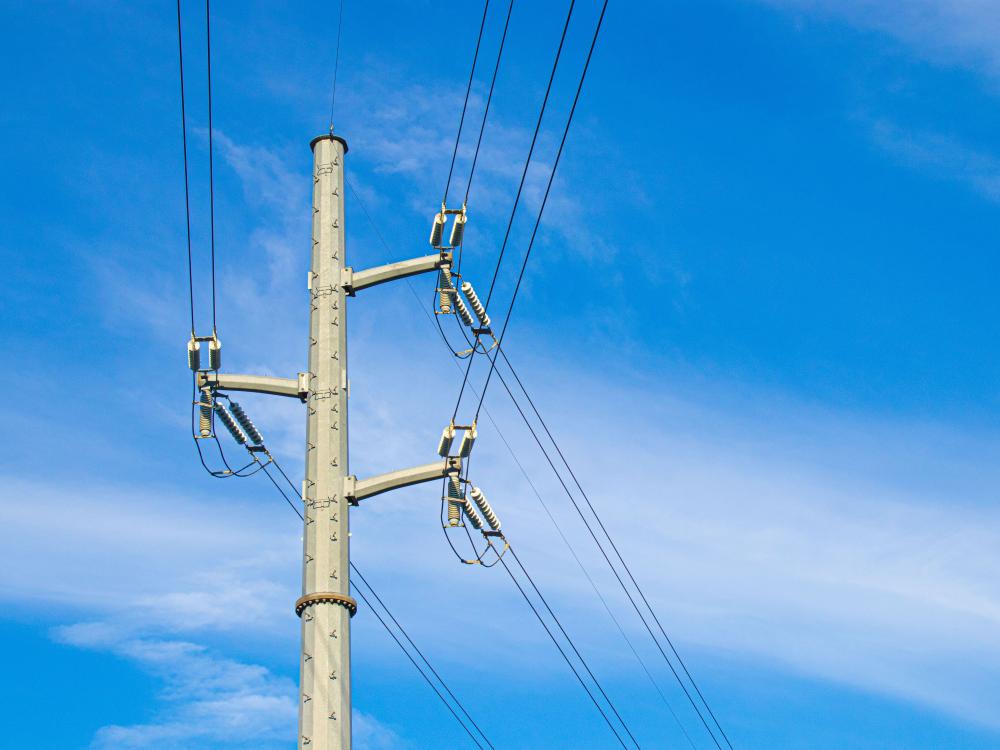
After Overhead Lines Are Put into Operation, Risks Often Come from Changes in the Surrounding Environment.
The safety distance of overhead lines is not fixed. When the line is completed, there may be no tall trees or new buildings around it, but after a few years, the site environment may have changed significantly. For example:
· Trees continue to grow and gradually move closer to the wires;
· Expansion of residential areas or industrial facilities towards the line;
· Add billboards, communication facilities or other structures;
· Birds and small animals frequently move near the route;
· Foreign objects such as plastic bags and advertising cloths are blown near the wires by the wind.
These changes do not necessarily represent quality problems in the wire itself. What really needs to be solved is not simply judging whether the wire is damaged, but identifying which sections have become new risk points. For example, tree barriers need to be cleared frequently in areas with dense trees; the external protection capabilities of wires need to be improved near residential areas; and in areas with frequent bird activities, the risk of accidental contact between wires or wires and external objects needs to be considered.
Therefore, overhead line maintenance is not only to repair the original equipment, but also to continuously adjust protective measures according to changes in the surrounding environment.
Not All Line Risks Need to Be Resolved by Replacing Wires.
When there is a risk of external contact with bare wires, replacing them with insulated wires is a solution, but it is not suitable for all modification projects. For overhead lines that have been in operation for many years, if only local sections are at risk, comprehensive demolition and re-erection of conductors may bring more engineering investment, including:
· Line shutdown and construction coordination
· Remove the original conductor
· New wires are re-erected
· Re-match fittings and accessories
· Investment in labor and construction equipment
Therefore, some line maintenance projects will adopt the idea of local protection: retain the original wires that can operate normally, and add additional protection only to sections with dense trees, frequent residents 'activities or prone to contact with foreign objects.
The overhead conductor cover can be applied to this local modification requirement. It only covers parts of the overhead conductor where protection is required, adding insulation at such places providing supplementary insulation measures for current lines. The idea is that all wires do not need to be insulated but rather wires can be protected based on a targeted approach according to the risk levels of each line.
How Do Overhead Line Insulation Sleeves Respond to the Risk of External Contact with Bare Wires?
The wire itself may have sufficient mechanical strength and current-carrying capacity, but it cannot prevent branches, birds, small animals or other foreign objects from approaching. Overhead line insulation sleeves add a layer of insulation between conductors and external objects by covering the outside of bare wires. When there is a local risk of external contact on the line, the corresponding section can be covered in a targeted manner.
Its main role is to improve the protection of bare wires against external environmental interference, rather than changing the transmission and distribution structure of the entire line. What needs to be clear is that overhead conductor cover cannot replace normal line safety distances, nor can it completely replace tree barrier cleaning and daily line maintenance.
Another way of using it is to employ it together with a complete system for shielding the overhead lines. When it's difficult enough to stop foreign bodies from getting close to the line, you can still provide an extra layer of insulation protection to the critical open circuits. This positioning is very important for engineering project purchasers. Before purchasing products, you should first clarify which line risks the project needs to address, rather than simply believing that any overhead line is suitable for adding sheaths.
Why Are Polyolefin Materials Suitable for Long-Term Outdoor Line Protection?
Overhead line sheaths are different from ordinary indoor insulation materials and need to face a more complex natural environment for a long time.
· High summer temperatures and long-term sun exposure
· Strong ultraviolet environment
· Low temperature in winter
· Rain and humid air
· Air pollution and salt fog environment in some areas
·Material aging caused by long-term temperature changes
If the weather resistance of the material is insufficient, aging, cracking or mechanical properties may decline after long-term use, which will affect the line protection effect. Polyolefin materials have good electrical insulation properties, and can be combined with different material formulations and processing processes to improve weather resistance, ultraviolet resistance and mechanical properties. Therefore, they are used in a variety of power cable accessories and insulation protection products.
As a supplier with more than 40 years of industry experience, we recommend that when comparing different overhead line sheaths, buyers should not only focus on product price or thickness, but also understand whether the material is suitable for the local climate and operating environment. For example, high-ultraviolet areas, coastal areas, alpine areas and industrially polluted areas have different requirements for the long-term environmental adaptability of materials.
What Elements Should Buyers Pay Most Attention to in an Overhead Line Protection Plan?
Overhead line insulation sleeves are not purchased directly according to the product name or voltage level, but also need to be selected based on actual line parameters. Pre-procurement recommendations focus on identifying the following aspects:
·Wire size
The sheath is installed directly on the outside of the wire, so the wire model, cross-sectional area and actual outer diameter are important basis for specification matching. If the size is too small, it may not be possible to install, and if the size is too large, it may affect the coating effect.
·Line voltage level
Different voltage levels have different requirements for product insulation properties and structural design. Medium and high voltage projects should also confirm the applicable voltage range and related insulation properties of the product.
·Operating environment
Lines exposed to high temperature, low temperature, strong ultraviolet rays, humidity or salt spray environments for a long time place different requirements on the weather resistance of sheath materials.
·Installation location and construction conditions
There are differences in the installation space and construction methods of different line sections, so before purchasing, it should be confirmed whether the sheath structure is suitable for on-site construction. For major engineering projects, it would be prudent to determine if suppliers are capable of offering selection recommendations, taking into account parameters of the conductor and the actual working environment.
What Engineering Needs Are Overhead Line Insulation Sleeves More Suitable For?
From a practical application point of view, this type of product is especially suitable for lines that have already been put into operation but require increased insulation protection locally.
· Urban distribution network transformation
· Rural overhead line maintenance
· Line protection in wooded areas
· Protection of bare wires near residential areas
· Areas with high bird and animal activity
· Lines around railways and power facilities
· Protection of bare conductors in substations and distribution equipment
· Local security upgrades for old lines
Therefore, prior to buying, customers should be very clear about the problem the product will help them solve, so that their purchase is a proper solution. We agree that it is better to keep the overhead equipment as clean as possible and cover the parts of the equipment that are in direct contact with high voltage. Thus by using overhead line insulation sleeves one avoids the use of excess materials to cover the whole line.
Besides that, protecting power lines from overhead is a proper strategy. Using the overheard line insulation sleeves is not limited only to saving the materials and the cost of labor. It is also an environmentally-friendly way to deal with the power lines which can help in the reduction of pollution.