How to Choose Protective Covers for Overhead Wires? What Lines Does the Cable Protection Sleeve Work On?
During the long-term operation of the line, the real problems it faces come more from the external environment. For lines that are already in operation, direct replacement of wires means power outages, construction and higher transformation costs. Adding a suitable insulation protection layer outside the wires can provide local or systematic protection against environmental risks.
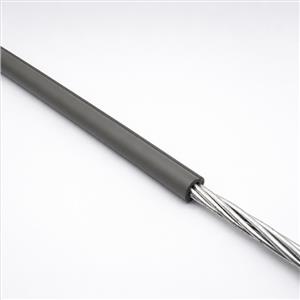
Cable protection sleeve is a protective product designed for long-term outdoor operation of bare overhead conductors. It not only needs to provide electrical insulation, but also needs to withstand years of sun exposure, temperature changes, mechanical vibration and complex environments.
When Selecting an Overhead Line Sheath, We Must First Clarify What Problems the Line Needs to Solve.
1. If the main problem of the project is that branches, birds or external foreign objects easily contact the wires, then the focus of procurement should be on the insulation properties, mechanical strength and long-term fit ability of the sheath;
2. If the line is located in an alpine, high temperature or strong ultraviolet area, the weather resistance and temperature adaptability of the material will directly affect the later service life;
3. If the project involves the renovation of existing lines, construction convenience and whether power outages can be reduced will also become important factors in procurement decisions.
Therefore, a suitable protective cover for overhead lines cannot only look at the materials or technical parameters, but needs to judge the following issues at the same time:
· Whether it can meet the insulation protection requirements of the line;
· Whether the material is easy to age after long-term exposure to the outdoors;
· Whether the sheath is easy to crack when the wire vibrates or slightly swings;
· Whether performance can be maintained at the lowest and highest local ambient temperatures;
· Whether it can match the existing wire size;
· Whether post-maintenance work will be added after installation.
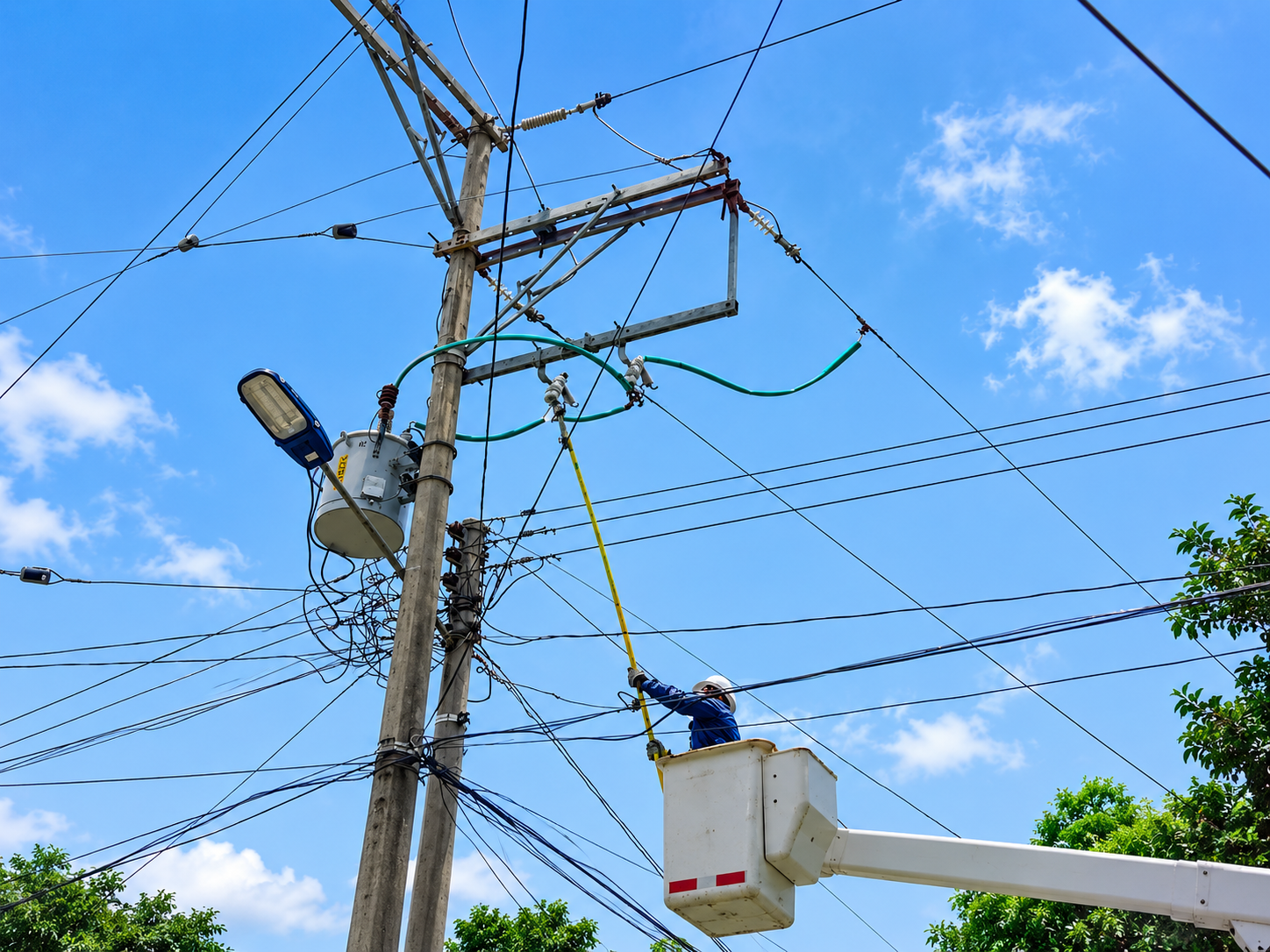
Why Are Polyolefin Materials Suitable for Overhead Line Protection?
Protective materials for overhead lines need to strike a balance between insulation and flexibility.
· The material is too hard and may produce cracks after long-term wind vibration or temperature changes;
· If the material is too soft, it may lack sufficient mechanical strength.
At the same time, overhead lines are exposed to ultraviolet light, rain, air pollution and temperature changes for a long time, so the material must also have stable weather resistance. In this regard, buyers can learn about CCMT's overhead line cover.
The product uses high-performance polyolefin materials, including high density polyethylene or low density polyethylene material systems suitable for different product structures. While maintaining a certain mechanical strength, the material also has good flexibility and can adapt to the slight swinging and bending of overhead conductors during actual operation.
From the perspective of product performance, its tensile strength is ≥8 MPa and its elongation at break is ≥500%. This means that the sheath has a certain deformation ability during installation and long-term operation, and is not easy to crack quickly due to normal line swinging. For engineering purchasers, such parameters are not only reflected in the test report, but are more directly related to the long-term stability of the product after installation.
The Electrical Insulation Performance Determines Whether the Sheath Has Basic Protection Capabilities.
When branches, birds, small animals and some foreign objects contact wires, they may cause line failures. Although a protective sheath cannot replace the insulation design of the entire power system, it can add an insulating protective layer to the outside of the wire. Take CCMT's cable protection sleeve as an example. It has good electrical insulation properties, dielectric strength can reach 25kV/42kV, and volume resistivity is ≥1.0×10 ³ Ω·cm.
In actual projects, purchasers need to pay special attention to the fact that the electrical properties of the sheath should match the system parameters of the specific line. Different voltage classes, wire types and installation environments may have different requirements for product specifications. Therefore, before project procurement, simply providing "overhead line sheath required" is usually not enough to complete the selection. Information such as line voltage, conductor model and outer diameter should also be provided to the supplier.
Outdoor Service Life Cannot Only Be Determined by the Performance of the Product When It Is First Installed.
Many overhead line sheaths have good flexibility and appearance when they are first installed, but after long-term exposure to ultraviolet light, they gradually harden, fade, embrittlement and even crack. Rain and moisture enter the interior of the material, further affecting long-term performance.
Therefore, outdoor weather resistance is an item that must be critically evaluated when purchasing overhead line sheaths.
CCMT's overhead line cover adds UV stabilizers and antioxidants during the production process and passes the ISO 4892-3 UV aging resistance test. The water absorption rate of the product is ≤0.5%, which can reduce the long-term impact of humid environment on material properties. Depending on different use environments and operating conditions, the product is designed to have a service life of 10 - 25 years.
This is particularly important for rural power grid renovations, transmission lines in mountainous areas or line projects in remote areas. In these areas where line maintenance costs are high, reasonable selection at one time can reduce the possibility of frequent subsequent replacement of protective materials.
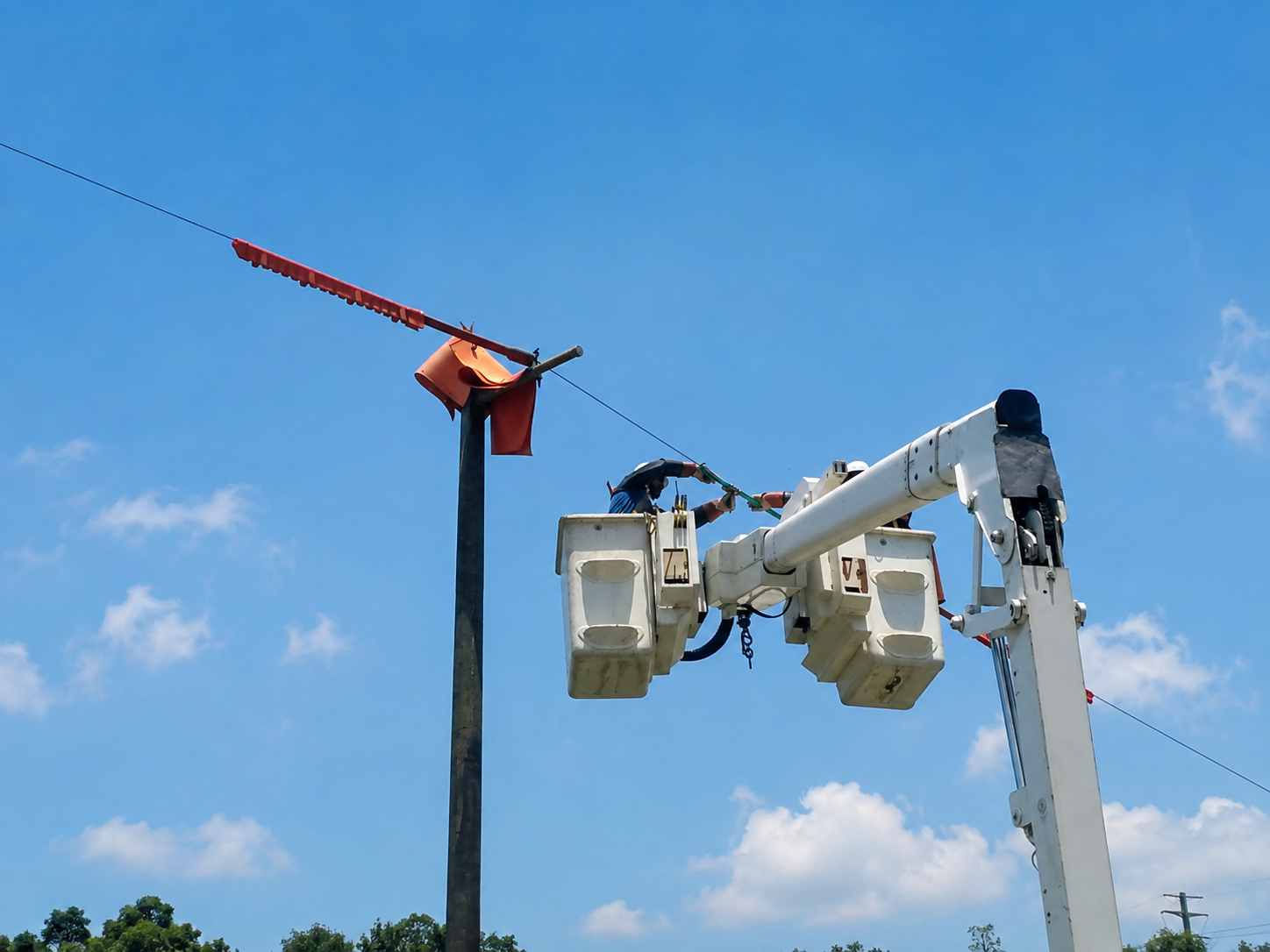
Matching Specifications Is More Important Than "Choosing the Thickest Sheath".
During the procurement process, some purchasers will think that the thicker the sheath, the stronger the protective ability will be.
In fact, the selection of overhead line sheathing needs to consider the conductor size, installation method and operating environment. The size is too large and may not maintain a good fit with the wire; the size mismatch may also affect the efficiency of field installation.
Therefore, it is recommended to confirm at least the following technical information before purchasing:
· Wire model and cross-sectional area;
· Actual outer diameter of wire;
· Rated system voltage;
· Line installation location;
· Local minimum and maximum ambient temperatures;
· Whether there is a risk of exposure to branches, birds or animals;
· Estimated operating life of the project;
· Whether it belongs to a new line or a renovation of an existing line.
This information can help suppliers match specifications more accurately and avoid the problem of inappropriate size after the product arrives at the construction site. For large-scale engineering projects, it is also recommended that purchasers confirm the sample specifications and relevant performance data before bulk purchasing, and conduct installation tests based on actual wires.
Whether a Sheath Is Reliable Also Depends on Whether the Supplier Can Understand the Project.
What really affects project delivery also includes whether the supplier can understand the line parameters, whether it has stable batch production capabilities, whether it can maintain the consistency of different batches of products, and whether it can provide complete technical data support.
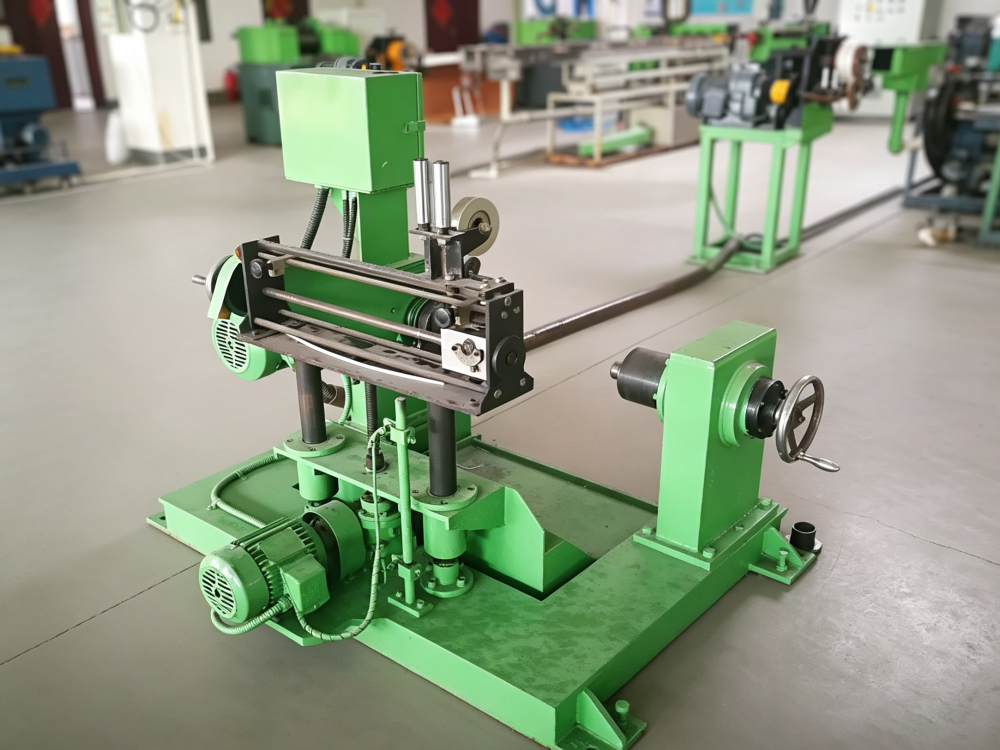
CCMT has long been engaged in the research and development and manufacturing of power and communication cable accessory products, and has more than 40 years of industry experience. Compared with simply selling standardized products, what is more important is that our company has long served different types of power and communication line applications, and has continuous product experience in the practical requirements of cable accessory products in outdoor environment, construction, installation and long-term operation.
For overhead line protection projects, CCMT can provide corresponding product specification recommendations based on conductor specifications, line environment and project needs. The quality control focuses on different aspects of product making like material properties, insulating properties, and requirements on outdoor use to eliminate the possibility of errors on the side of the engineering Purchasers regarding specification matching as well as batch application.
Choosing a protective sheath for overhead lines is essentially not choosing a simple layer of covering material, but adding a protective barrier for long-term operation to the line. You can judge from three practical issues before purchasing:
· First, is there a risk of external contact on the line?
If there are trees, birds, small animals or other objects near the line that may contact the wires, adding an insulation protection layer has practical significance.
· Second, is the line exposed to complex outdoor environments for a long time?
For areas with strong ultraviolet rays, large temperature differences, humidity or cold, the weather resistance and temperature adaptability of materials need to be considered.
· Third, does the project want to reduce the frequency of long-term maintenance?
For areas where maintenance is difficult, line distances are long, or power outages are costly, choosing protective materials with a long service life will help reduce the amount of subsequent maintenance work.
If one or more of the above issues are consistent with the actual situation of the project, the overhead line cover can be evaluated as part of the line protection plan. If you want to know more information about this product, please contact us for matching solutions.