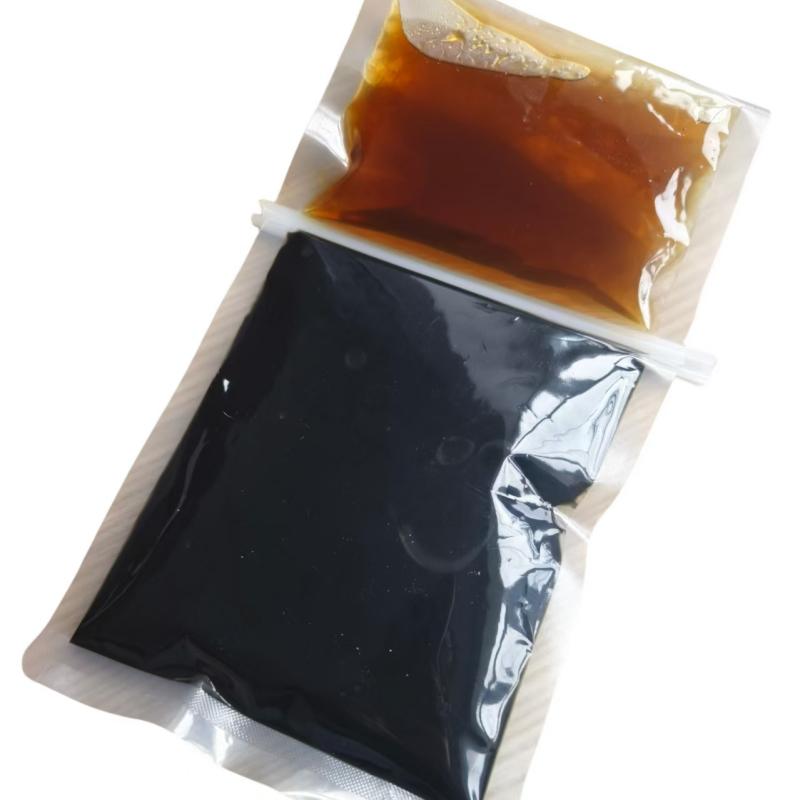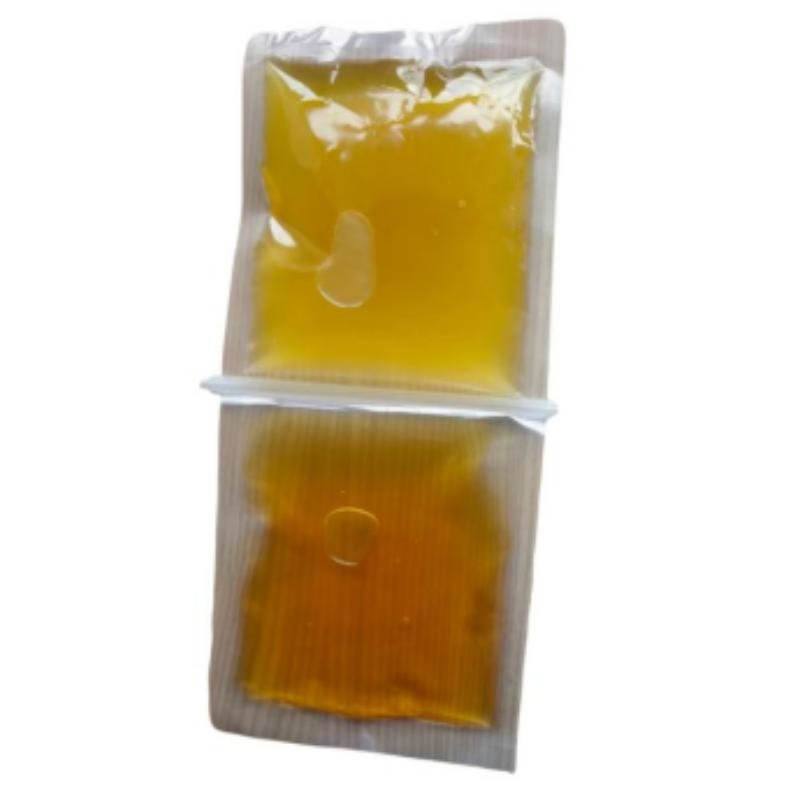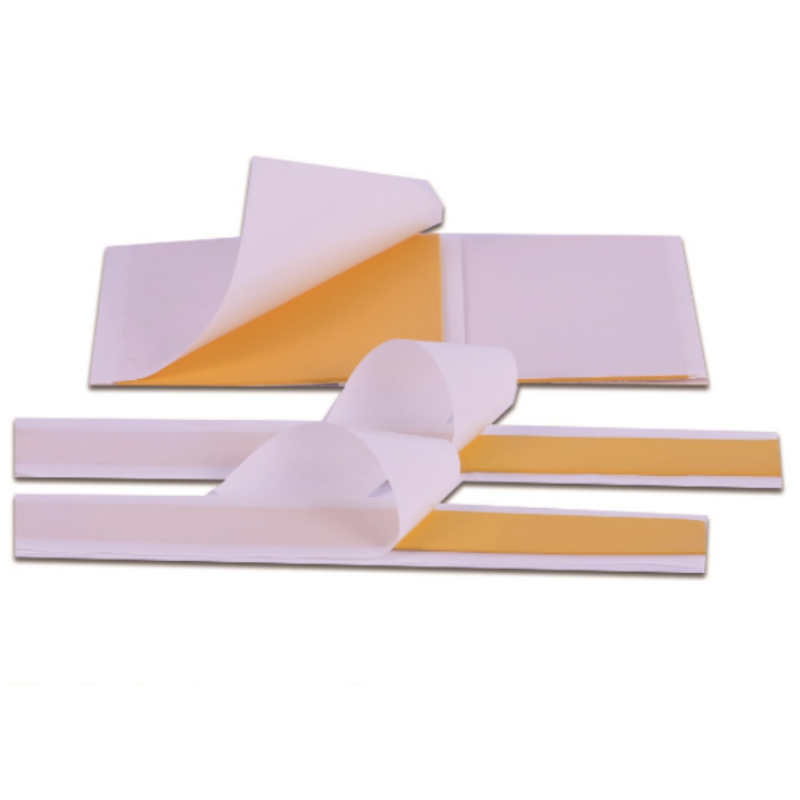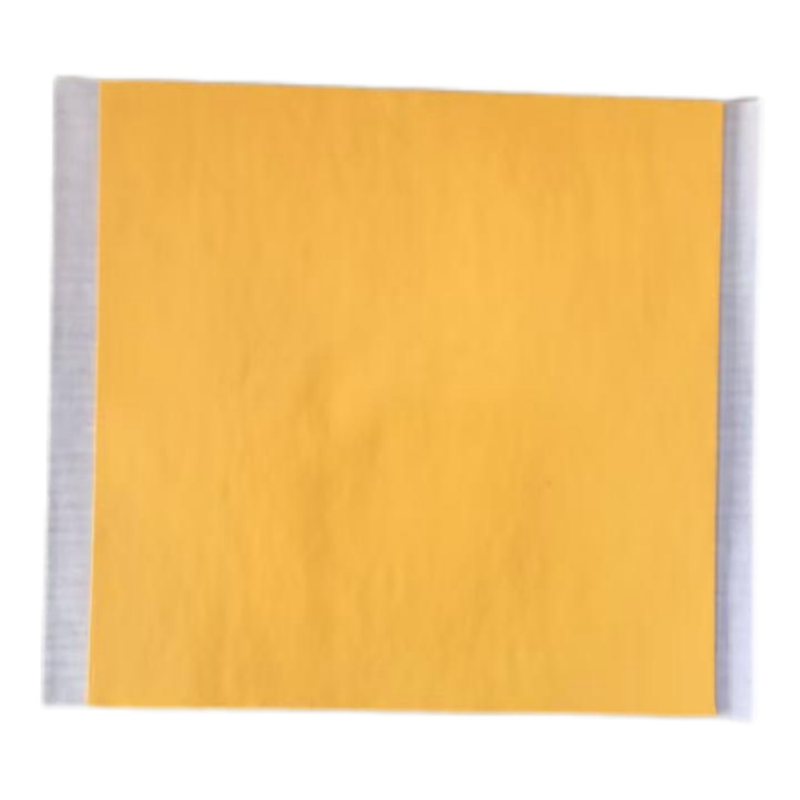
Semi-conductive Insulation Mastic Tape

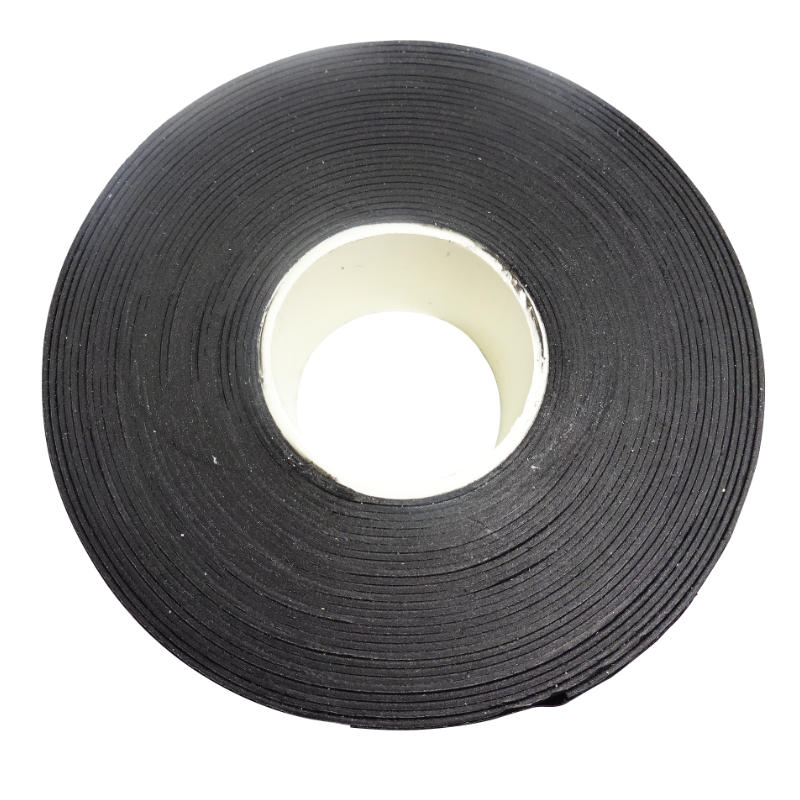
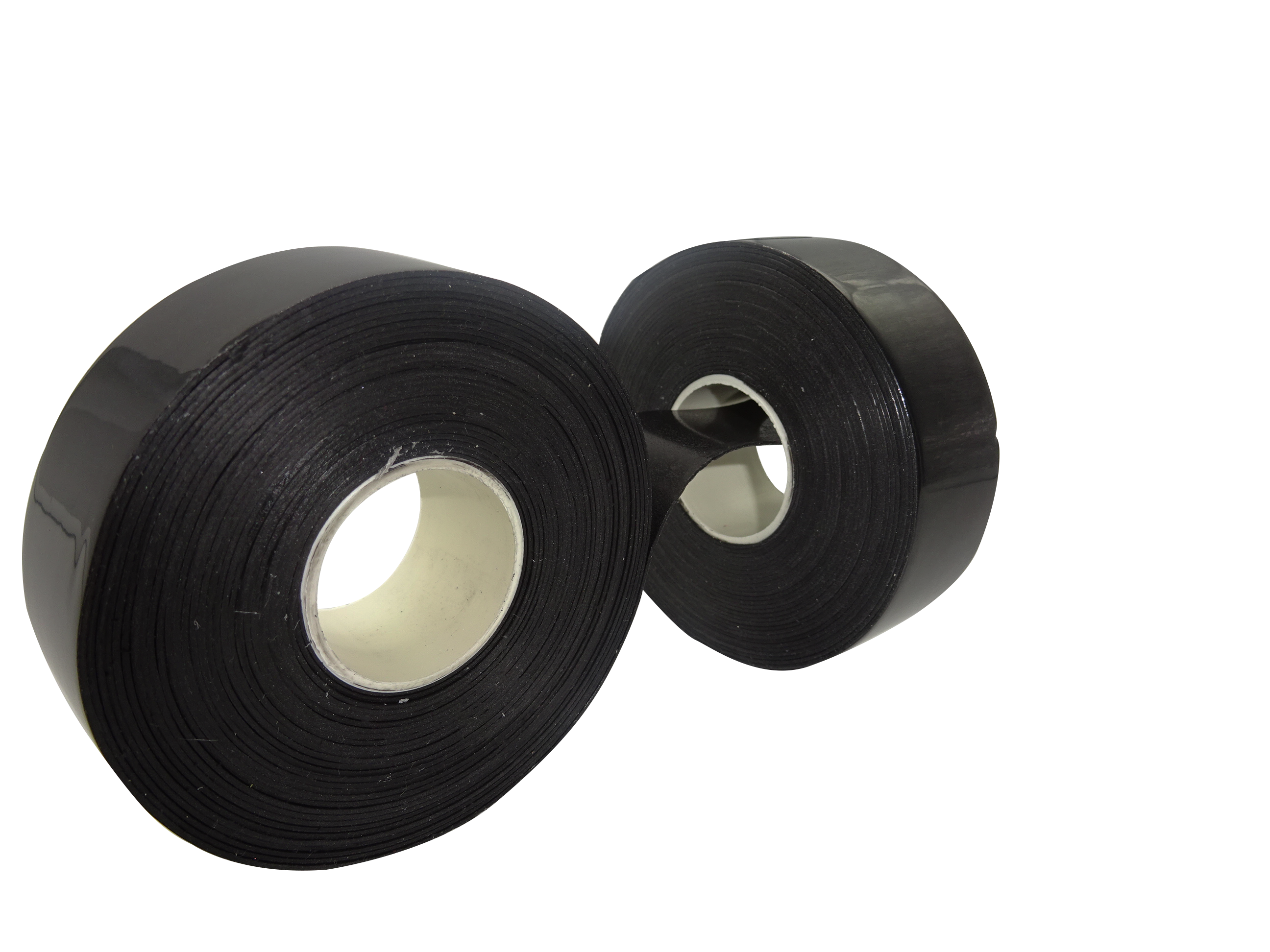
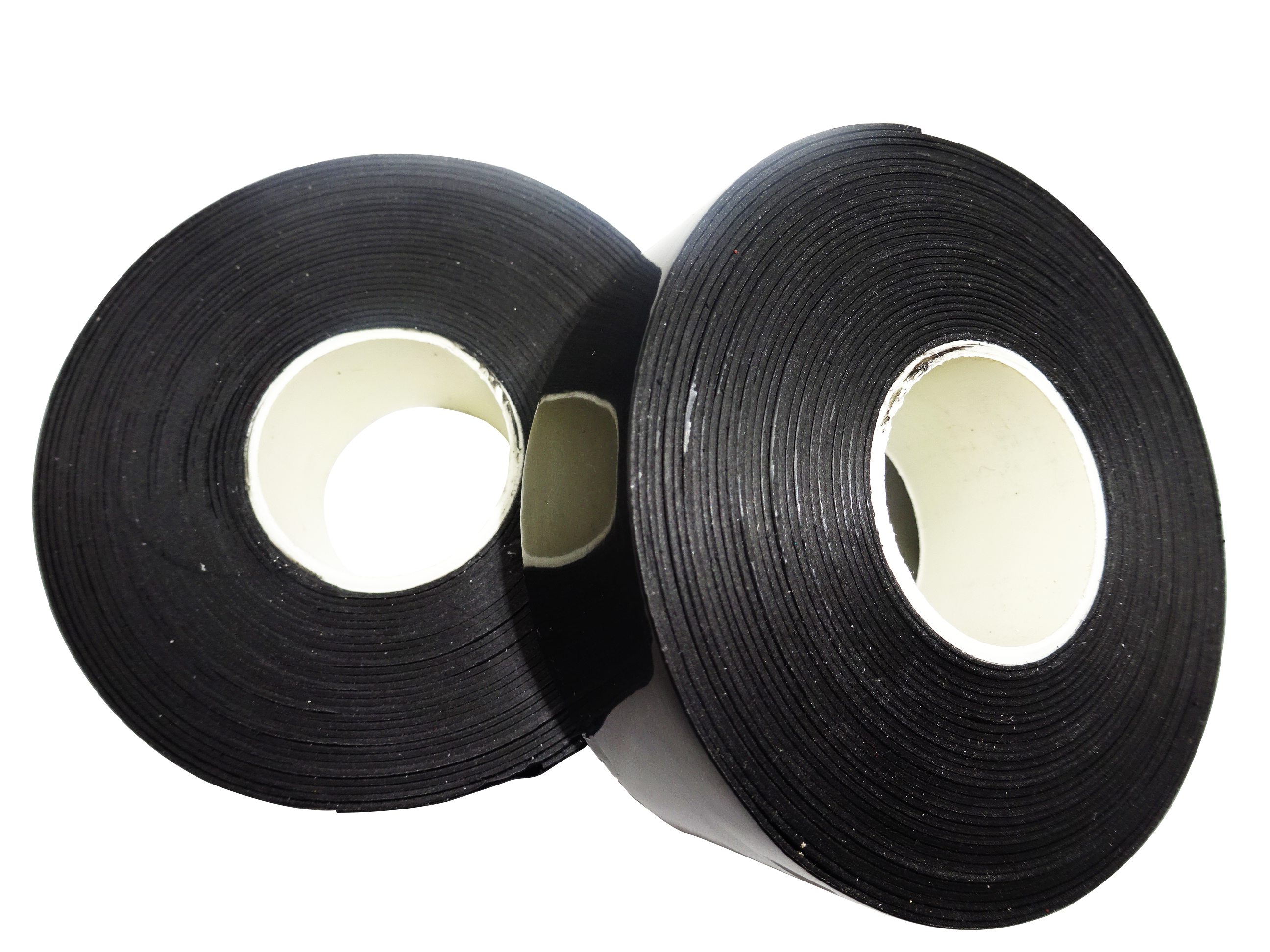
- CCMT
- CHANGCHUN,CHINA
- Based on the order quantity
- 500,000 meters per month
1. Semiconductor mastic tape can withstand temperatures from -55℃ to 105℃ and is still able to perform well under both very cold and high-temperature conditions.
2. Stress control mastic tape keeps the volume Resistivity constant within the range of 10³ - 10⁹ Ω·cm and the electric field at cable joints is well distributed. Stress control mastic tape ensures that no particular part of the field is overloaded to the point of breakdown.
3. Semi-conductive cable tape forms a tight bond with rigid insulation layers like XLPE and PVC, and also has good tear resistance.
When manufacturing high-voltage cable joints, a sudden change of the electric field is expected at the break of the shielding layer. If ordinary insulating tape is applied, since the tape's resistivity is fixed, it cannot distribute the field strength evenly. What's more, it is unable to conform to the irregular surface of the cable's insulation layer and thus air gaps are likely to develop at the interface between the insulation and the insulator, which causes partial discharge and in turn, insulation degradation or breakdown could be expected after prolonged operation.
Our semi conductive mastic tape is capable of maintaining resistivity around 10³~10⁹ Ω·cm which makes it suitable for applications where smooth distribution of an electric field with no stress concentrations is required. A self-fluxing formula of the material will flow readily when it is being wrapped thus it will not only seal the conductor with its insulation layer completely but also eliminate any air pocket in between. It can be used down to -55 ℃ up to 105 ℃ and its high tear strength also allows the sleeve to stay undamaged during installation and in the case of sudden temperature changes, thus basically ruling out any chance of insulation failure.
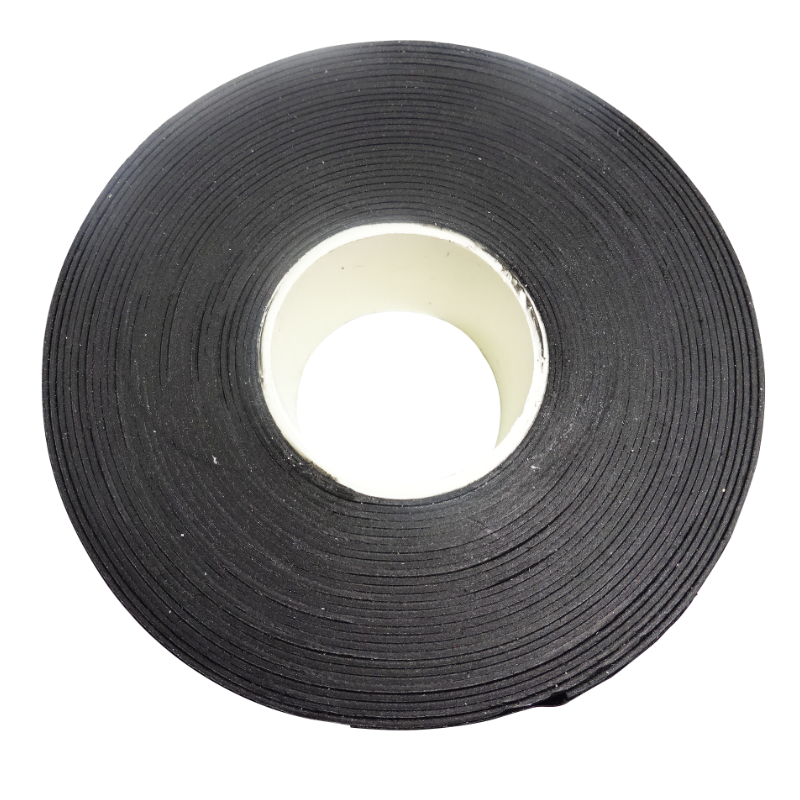
Product Performance Indicators:
| Property | Testing Method | Typical Data |
| Tensile Strength | ASTM D 638 | 2.0MPa |
| Elongation at Break | ASTM D 638 | 600% |
| Volume Resistance | ASTM D 257 | 1.0x10²Ω·cm |
| Adhesive and Slef-Amalgamation | - | Dood |
| Oxygen Resistance | - | PASS |
| Heat Shock(130℃×1h) | - | PASS |
Product Advantages:
1. The working range of semi-conductive insulating tape is between -55°C and 105°C; low temperature won't make it brittle as its molecular chains are still flexible, whereas at high temperature no flowing or softening happens, this is suitable to meet the long time reliability expectations of the cable operation under both thermal cycling and extreme climates.
2. The stress control mastic tape ensures a consistent volume resistivity in the range of 10³~10⁹ Ω·cm and gently shifts the electric field gradient at cable shield cut points. This prevents non-uniform stresses, and at the same time, it effectively prevents both partial discharge and corona phenomena with a resulting reduction in insulation failure chance.
3. The semi-conductive cable tape is very strong and can withstand 600% tearing in all temperatures from -55℃ to 105℃. When used wrapping cables, it also efficiently handles stresses from thermal cycling and vibration from operation of the cables, and thus the physical damage on joints is well avoided both during installation and in long-term operation.
4. Once wrapped, the electrical stress control tape merges itself as a single unit automatically, requiring no heating or curing. Besides being able to firmly bond with solid insulation materials such as XLPE, PVC, and EPR, it eliminates completely any air gaps and thereby forms a seal that is completely continuous and thus protects against the ingress of moisture and impurities.
5. Semi-conductive insulation tape is highly resistant to solvents, UV, and serves as moisture barrier it resists degradation or cracking from harsh environments as outdoor overhead, underground, and industrial pollution, keeping its electrical and mechanical integrity over time.
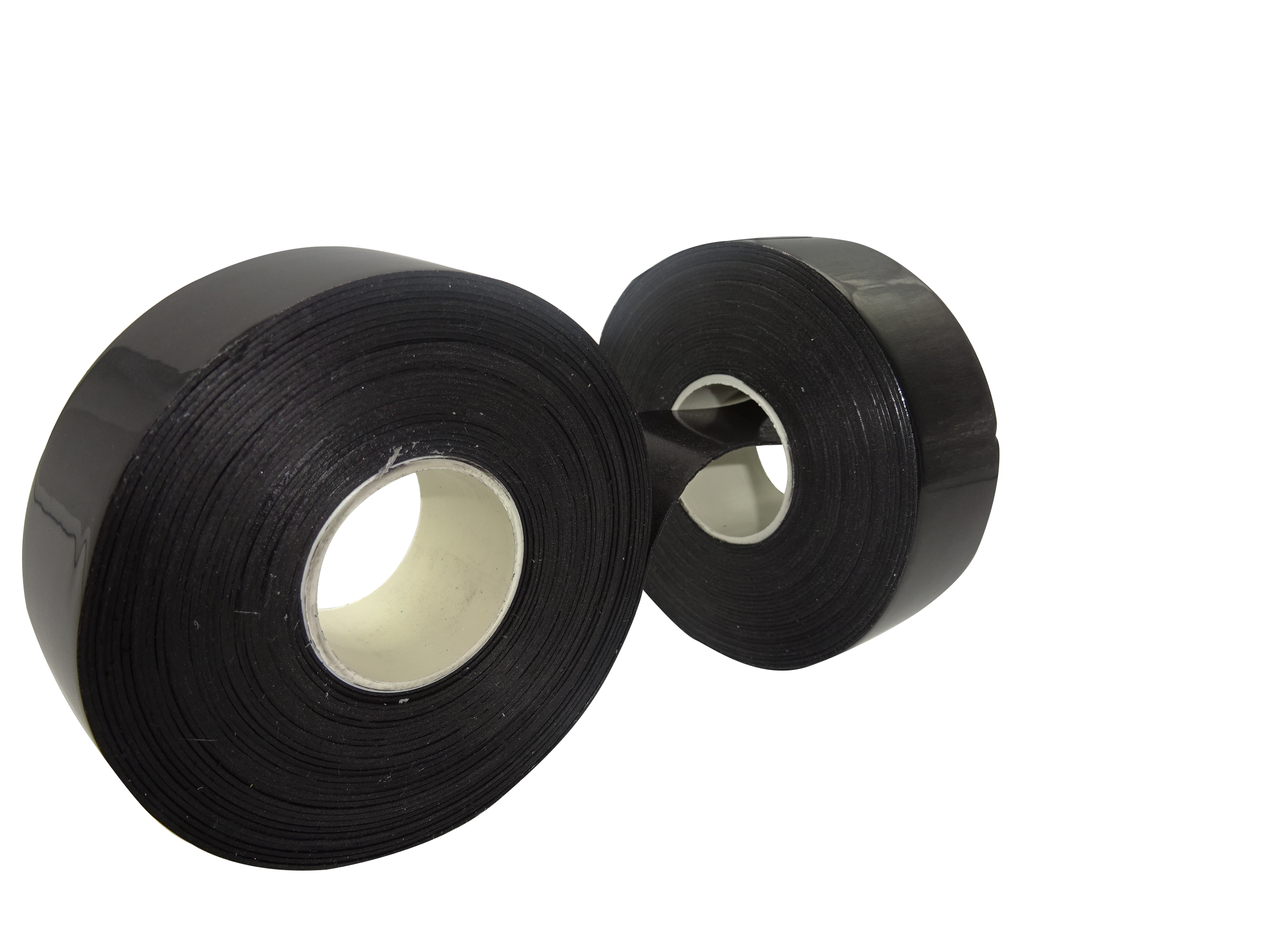
Application Scenarios:
Electrical stress control tape is ideal to recover the shield layer of the electric field at intermedium joints/stress cones of high-voltage cross-linked polyethylene cables. It can also evenly spread out the electrical field at metal shielding break points. Moreover, electrical stress control tape is used for reinforcement and equalization of the electric field transition at the points of only mild surface scratches or imperfections of a cable's main insulation layer. It can even out and harmonize the conductive interfaces between irregularities in switchgear and transformer bushings ends.
Finally, electrical stress control tape is an instrument for electric field distortion limitation at the places of semiconductor layer removal inside cable termination boxes both in indoor and outdoor environments.
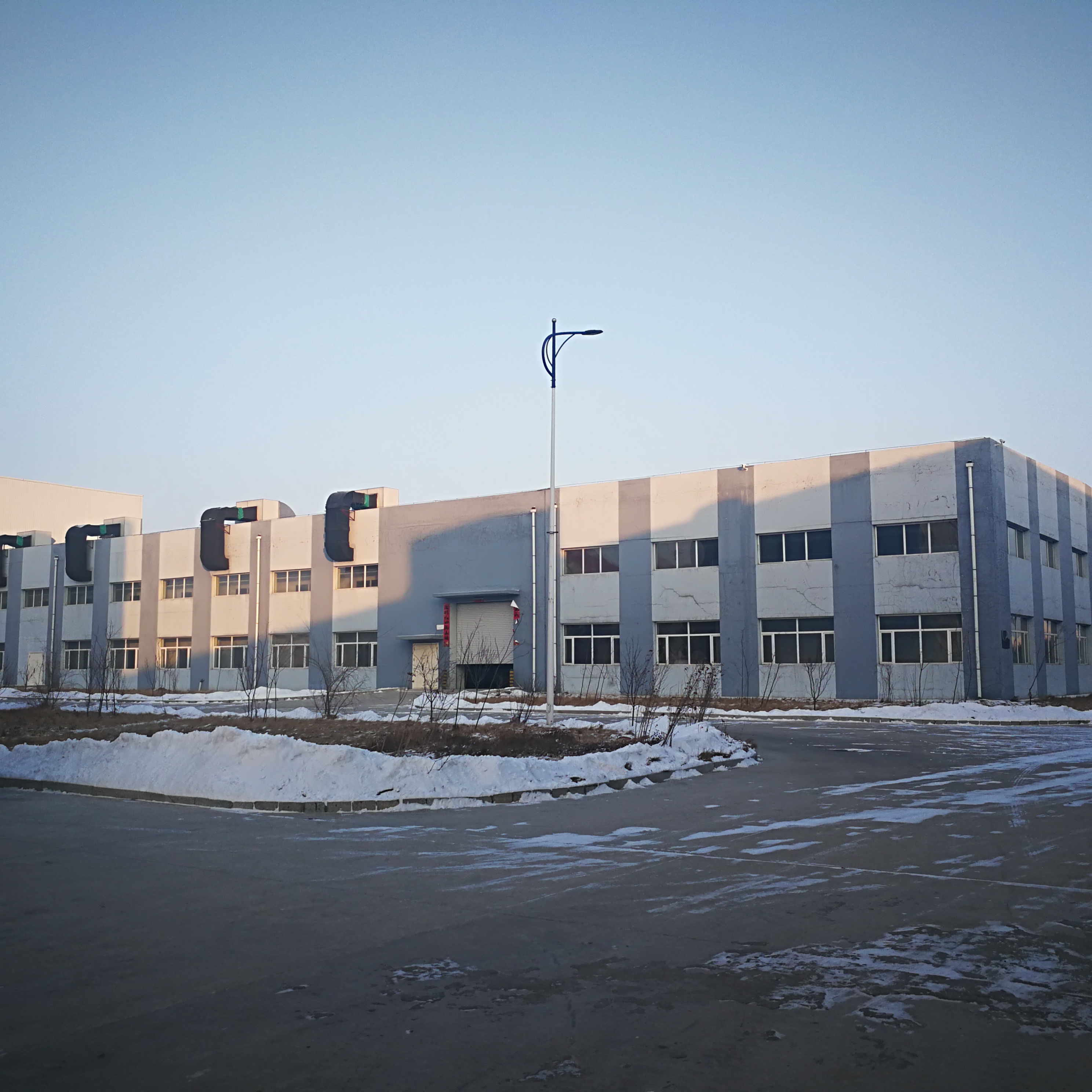
About CCMT:
Originally set up in the year 1986, we are now at our 40years anniversary in business. We possess large factory area of about 10,000 square meters, a staff of more than 200 and an advanced technical force consisting of more than 30 senior engineers and technicians. In terms of production capacity, the company now has 13 plastic extrusion lines, 10 oil expansion lines, 4 sealant extrusion lines specialized in producing non-stop tapes, 3 silicone extrusion lines for cold shrink tubing production, as well as molding and injection molding equipment which allows us to develop the production facilities for the whole range of cable accessories including heat shrink, cold shrink, and tape materials.
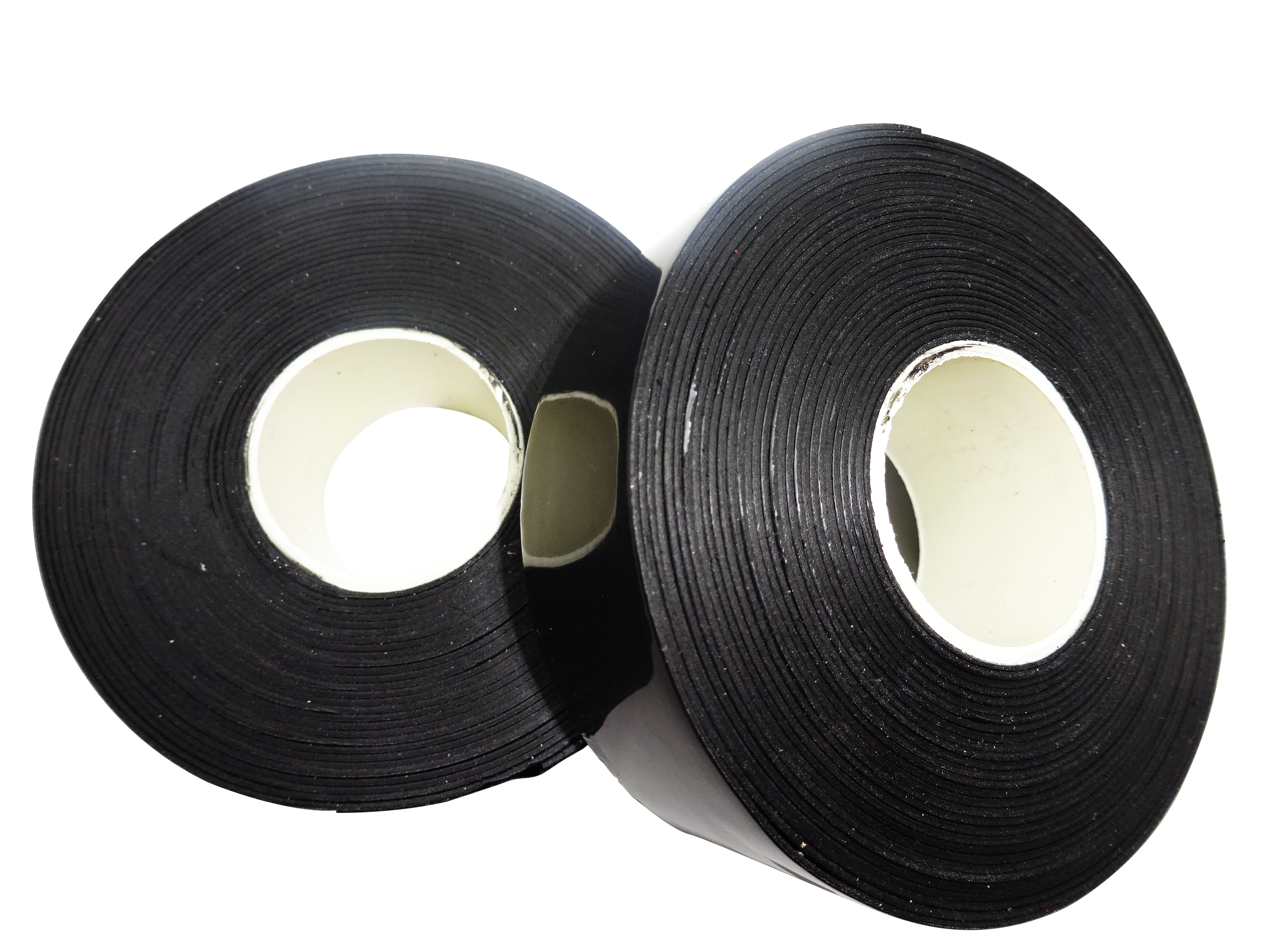
Certification Standards:
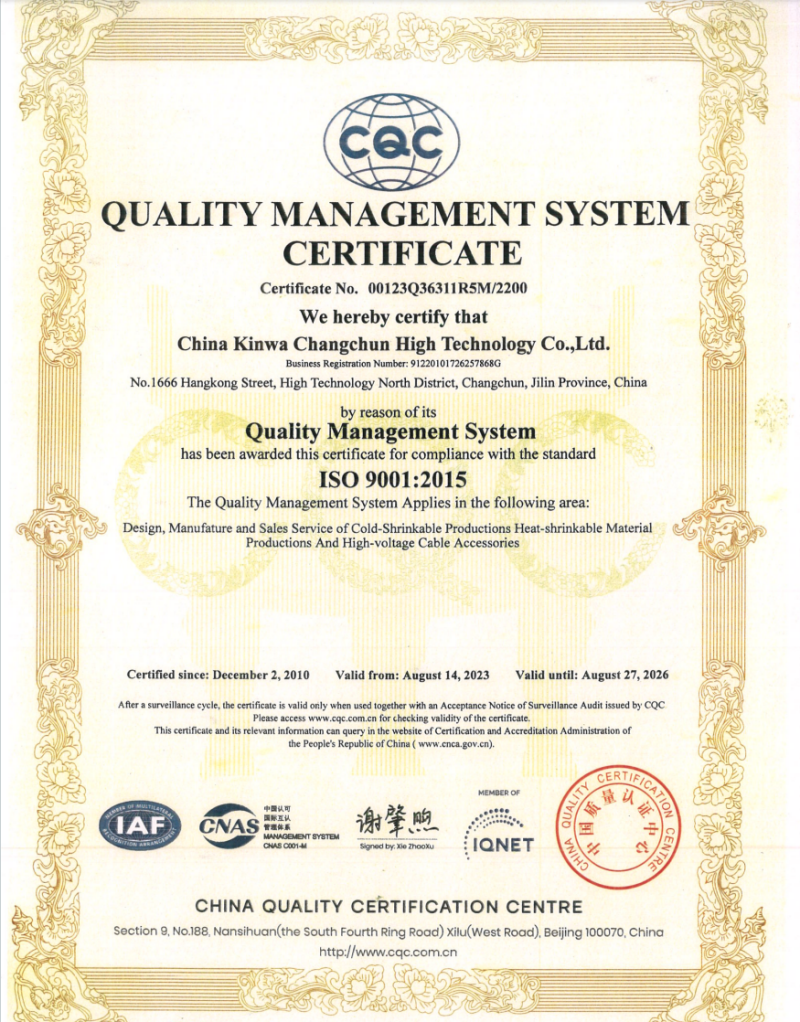
Our company strictly adheres to the ISO 9001:2015 quality management system standard, implementing full-chain quality control from raw material intake to finished product delivery. The system certification number is 00123Q36311R5M/2200. Our heat shrink cable terminals and intermediate connections have all passed type testing verification conducted by international testing institutions. Our products fully comply with RoHS and REACH environmental directives.
Export Cooperation:
At present, cold shrink and heat shrink cable accessories are used not only in a country but rather the whole world, especially in Middle East countries such as Saudi Arabia, Turkey, UAE, and Iran as well as in Southeast Asian countries such as India, Philippines, Thailand, Indonesia, and Malaysia, and even South America countries as Brazil and Argentina.
Exhibition Activities:
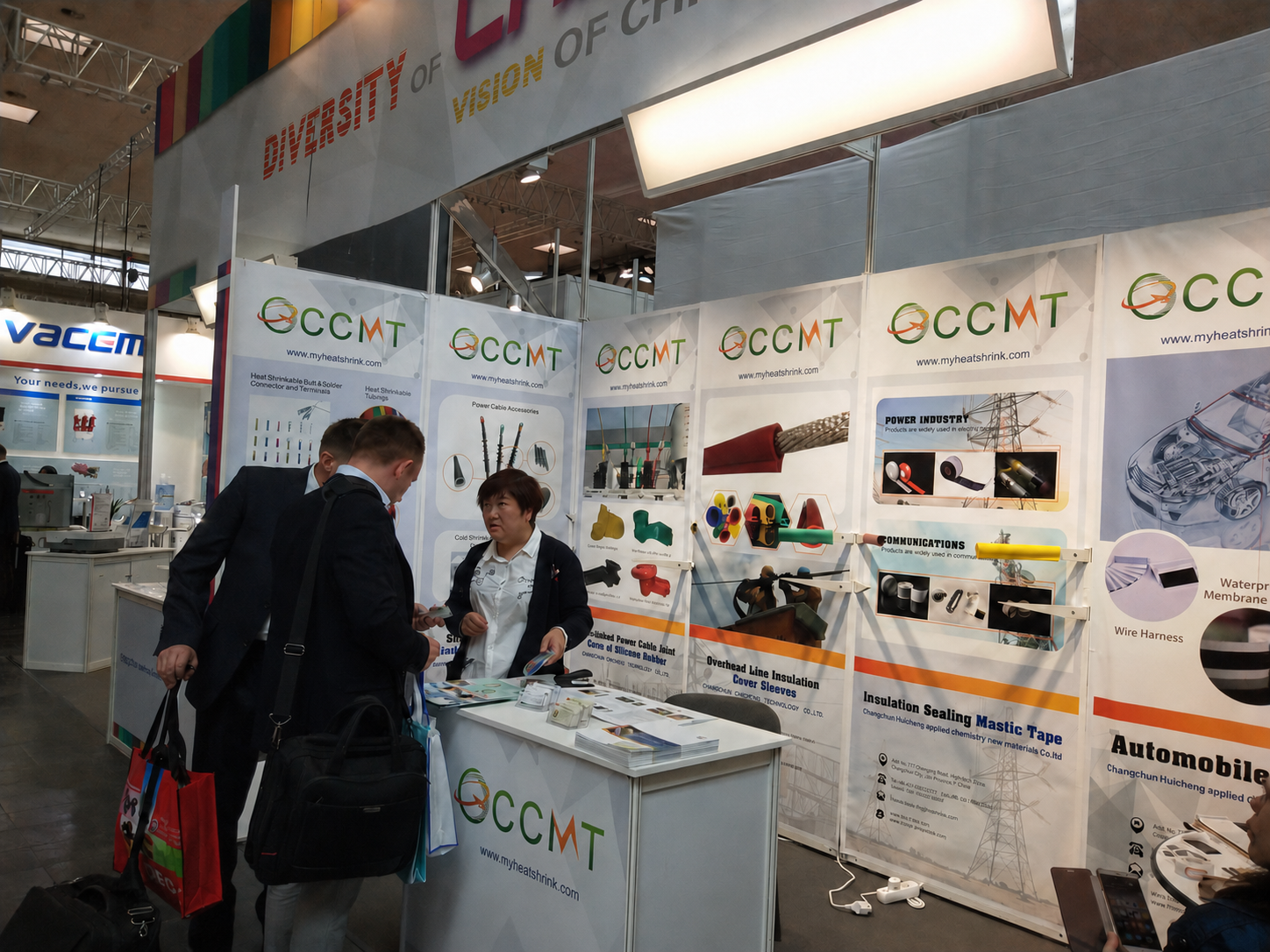
Lately, our company has been a participant at the Hannover Messe in Germany, Dubai Power & Energy Exhibition in the Middle East, and the Shanghai International Power Exhibition. Through these events, we can get insights into industrial technical standards in Europe, the requirements of a high-temperature environment in the Middle East, and the power grid upgrade market of the Asia-Pacific. At the exhibitions, we exposed our products to heat, sun, and humidity to prove their qualities by a physical display and on-the-spot demonstration and in the same period we received the response from engineering contractors and power companies about the use of the practical application.
FAQ:
1. If the tape is not completely used after opening, will its self-melting properties decrease when reused?
The capability of tape to self-melting stems from the diffusion and physical intermingling of surface-active molecules. Once the product exposed to the dusty or air at high humidity, dirt or moisture film adsorbing on the surface probably could spoil the fusion effect between layers
2. What causes the tape to curl or peel off shortly after application?
Ellipses or detachments are usually caused by the following reasons: failure to clean the cable surface of oil or moisture before construction, insufficient stretching during winding resulting in poor interlayer adhesion, and failure to fully compact and expel air from the interface after winding.