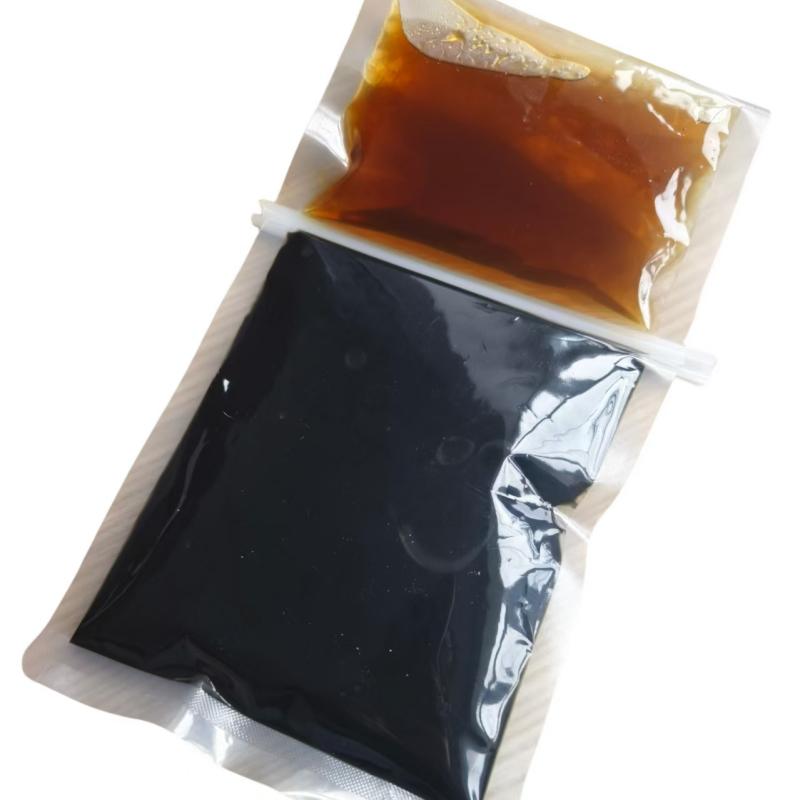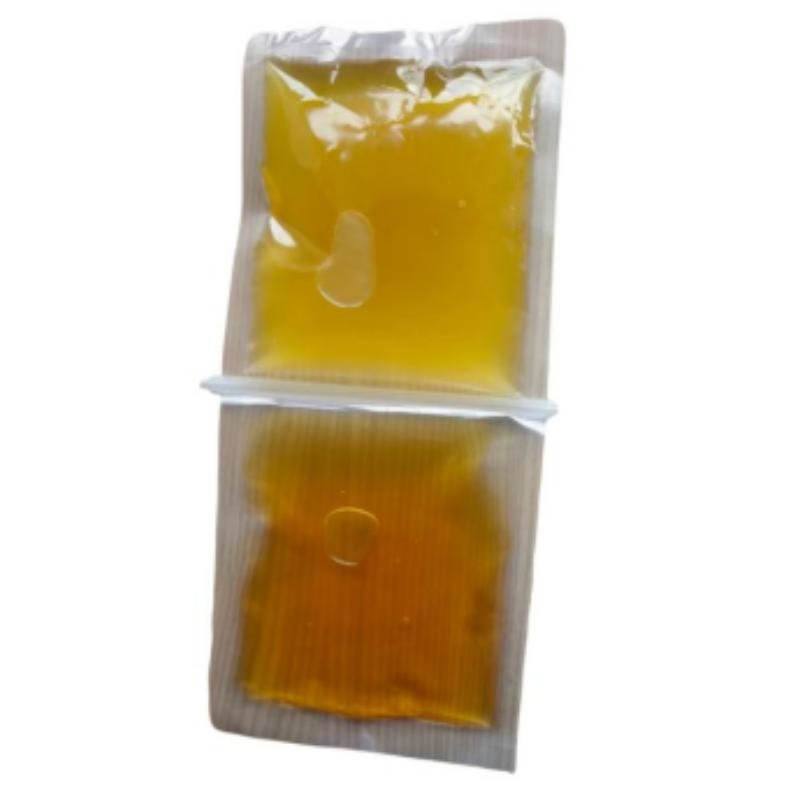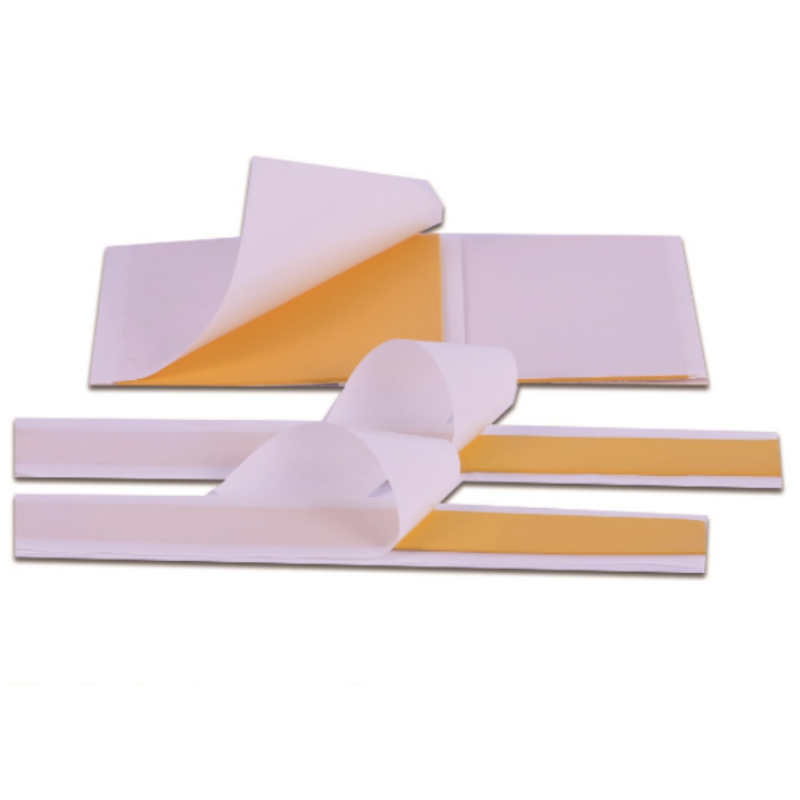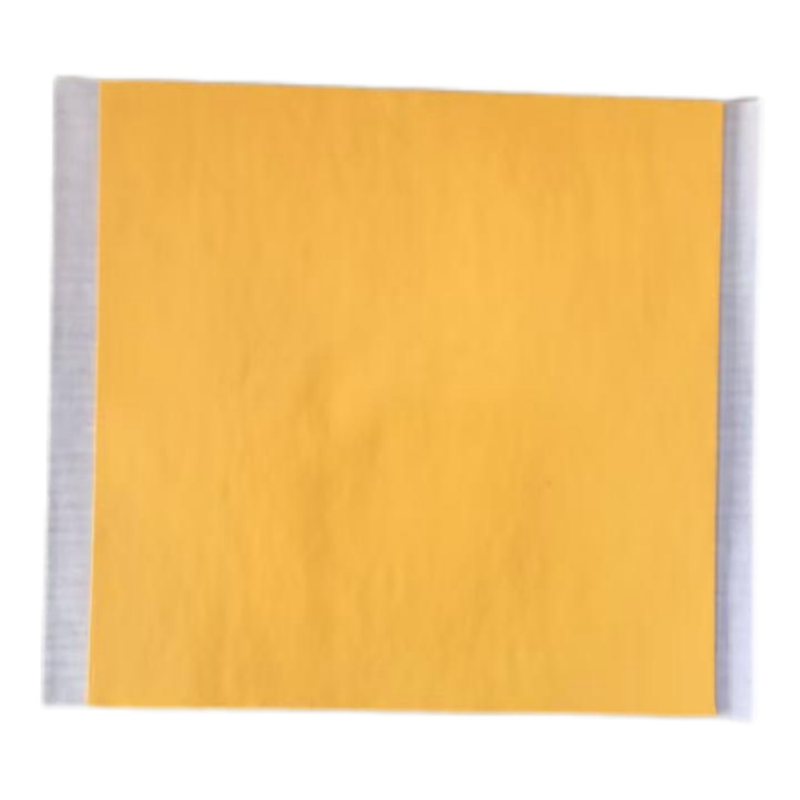
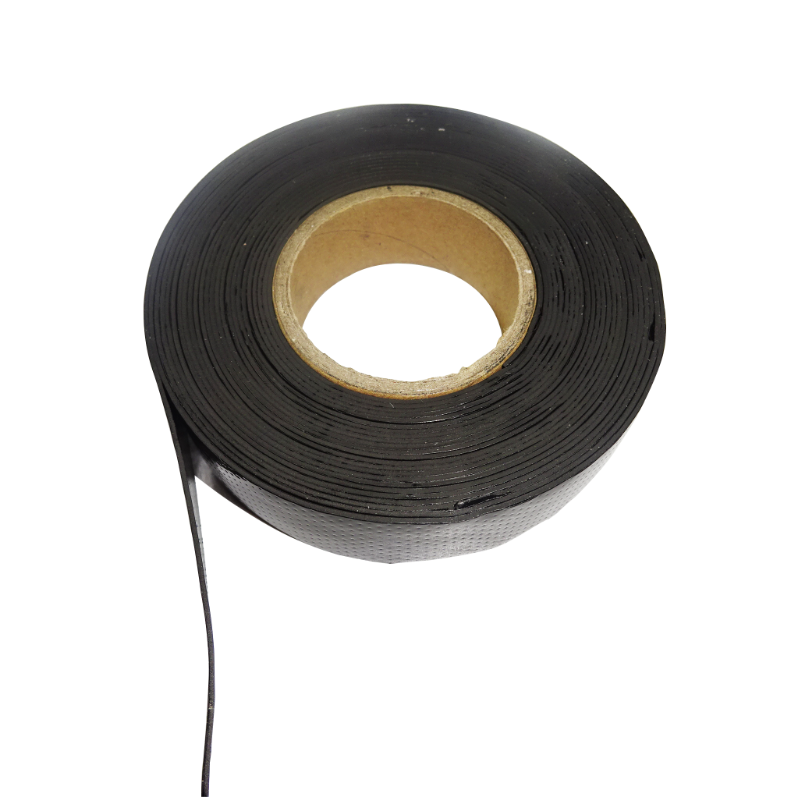
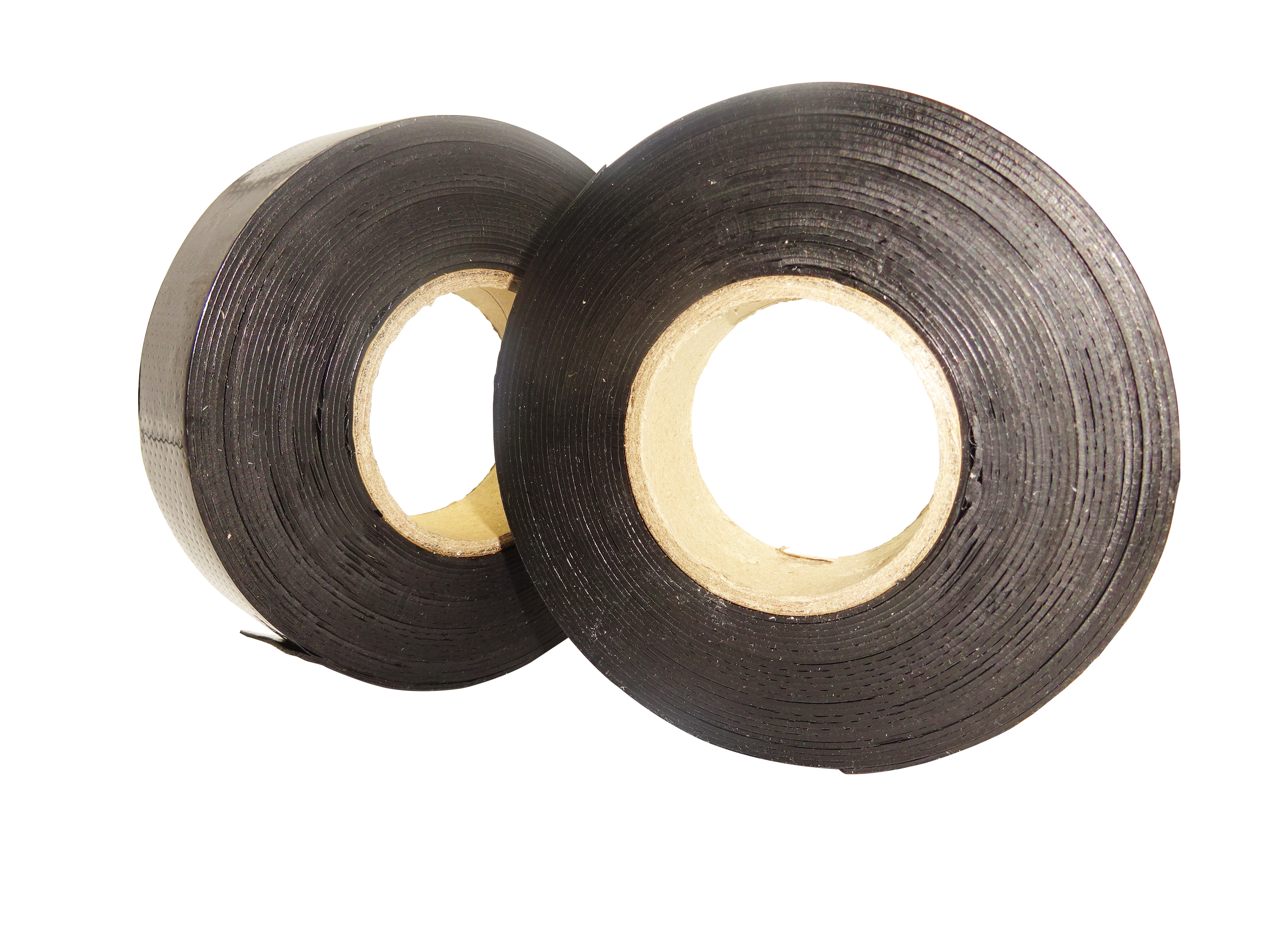
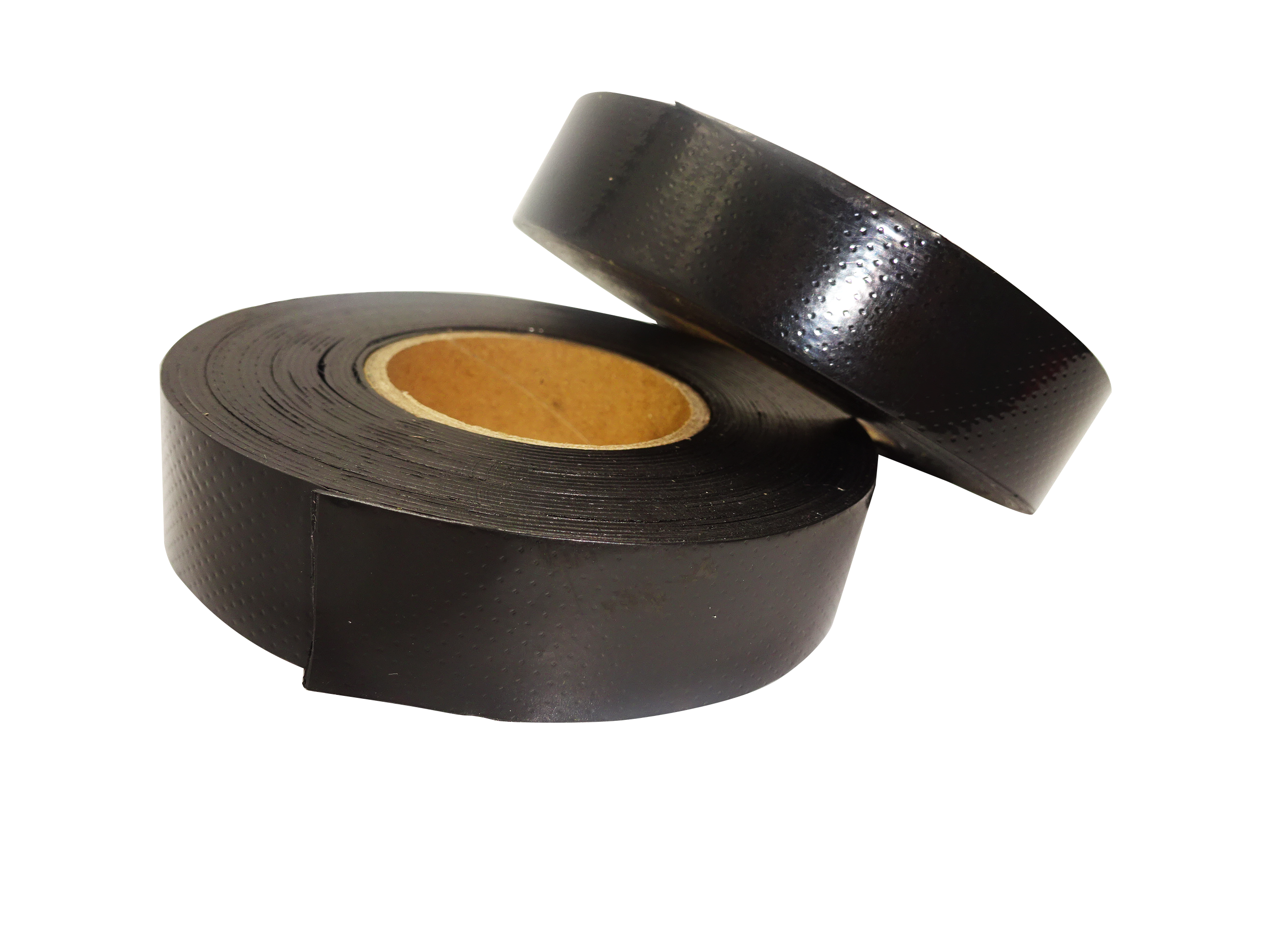
Insulation Self Fusing Tape

- CCMT
- CHANGCHUN,CHINA
- Based on the order quantity
- 500,000 meters per month
1. The self fusion insulation tape functions across a range of -55℃ to 105℃ temperature, still being able to deliver its stable electrical performance even in both freezing cold and extremely hot conditions.
2. With a stretchability of 550% at break, the waterproof insulation mastic tape can tightly hold down the substrate by wrapping around it after being pulled so as to form a tight waterproof layer without any gaps.
3. Thanks to its dielectric strength of 20 kV/mm, the waterproof insulation tape is able to insulate high and low voltage parts such as cable ends, busbars and electrical contacts effectively protecting these areas for a long time reliably.
Ordinary insulating tapes have limited adhesion in extreme outdoor temperature environments where they tend to harden at low and soften at high temperatures. The development of micro-gaps between the adhesive layer and cable interface occurs after some time. Water can then seep in via the conductor gaps, causing a drop in insulation resistance and leading to flashover or short-circuit faults at the worst case.
Our isolation self fusion tape has a temperature working environment from -55℃ to 105℃ and the rubber formulation is elastomer type. It can stretch up to 550% before breaking. When stretched, it closely envelopes irregular surfaces and self bonds between the layers by creating a continuous waterproff seal. While this happens, it has dielectric strength about 20 KV/mm which makes sure that the joint is isolated with confidence even after facing several days at high humidity and temperature variation.
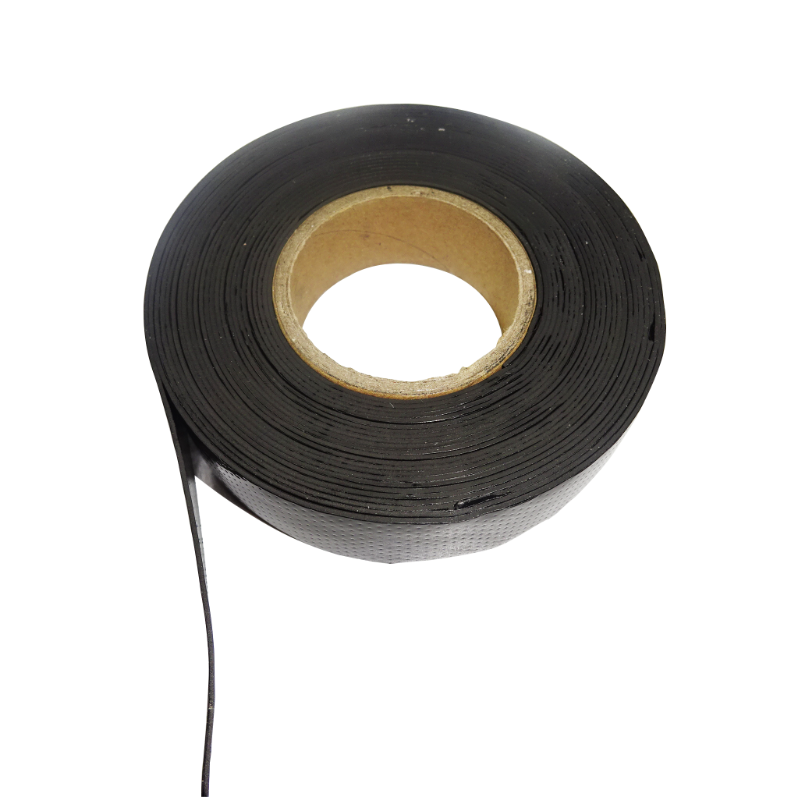
Product Performance Specifications:
| Property | Testing Methmod | Typical Data |
| Tensile Strength | ASTM D 638 | 1MPa |
| Elongation at Break | ASTM D 638 | 550% |
| Dielectric Strength | IEC 243 | 20kV/mm |
| Dielectric Constant | IEC 250 | 4 |
| Volume Resistance | ASTM D 257 | 1.2×10⁴Ω·cm |
| Adhesive and Self-Amalgamation | - | Good |
| Oxygen Rensistance | - | PASS |
| Heat Shock(130℃×1h) | - | PASS |
Product Advantages:
1. Waterproof insulation tape does not delaminate due to hardening or softening under extreme conditions.
2. Insulating fusing tape has a dielectric strength of 20kV/mm, and a single layer can withstand voltage levels of 10kV and above. The breakdown voltage linearly increases with the number of winding layers, meeting the design margin requirements for insulation thickness in medium-voltage cable terminals and joints.
3. The measured volume resistivity of self-fusing silicone insulation tape is 1.2×10⁴Ω·cm (ASTM D257). Although it falls within the semi-conductive category, when used with a dielectric constant of 4, it can achieve a uniform potential gradient distribution in high-field regions.
4. Following a thermal shock of 130°C×1h, the insulating fusing tape does not show up any cracking or deforming; besides, before and after aging, its dielectric strength and elongation at break do not decline significantly. This implies that the cross-linked system has a stable chemical structure in a thermo-oxidative environment and can stand a sudden temperature rise under cable short-circuit conditions.
5. Waterproof insulation mastic tape boasts a breaking elongation of up to 550%, far exceeding that of conventional PVC tape (approximately 150%-200%). It is less prone to breakage when wrapped in confined spaces, and its tensile and retraction forces ensure a tighter bond between layers. No additional binding or curing is required; a single wrap is sufficient for sealing.
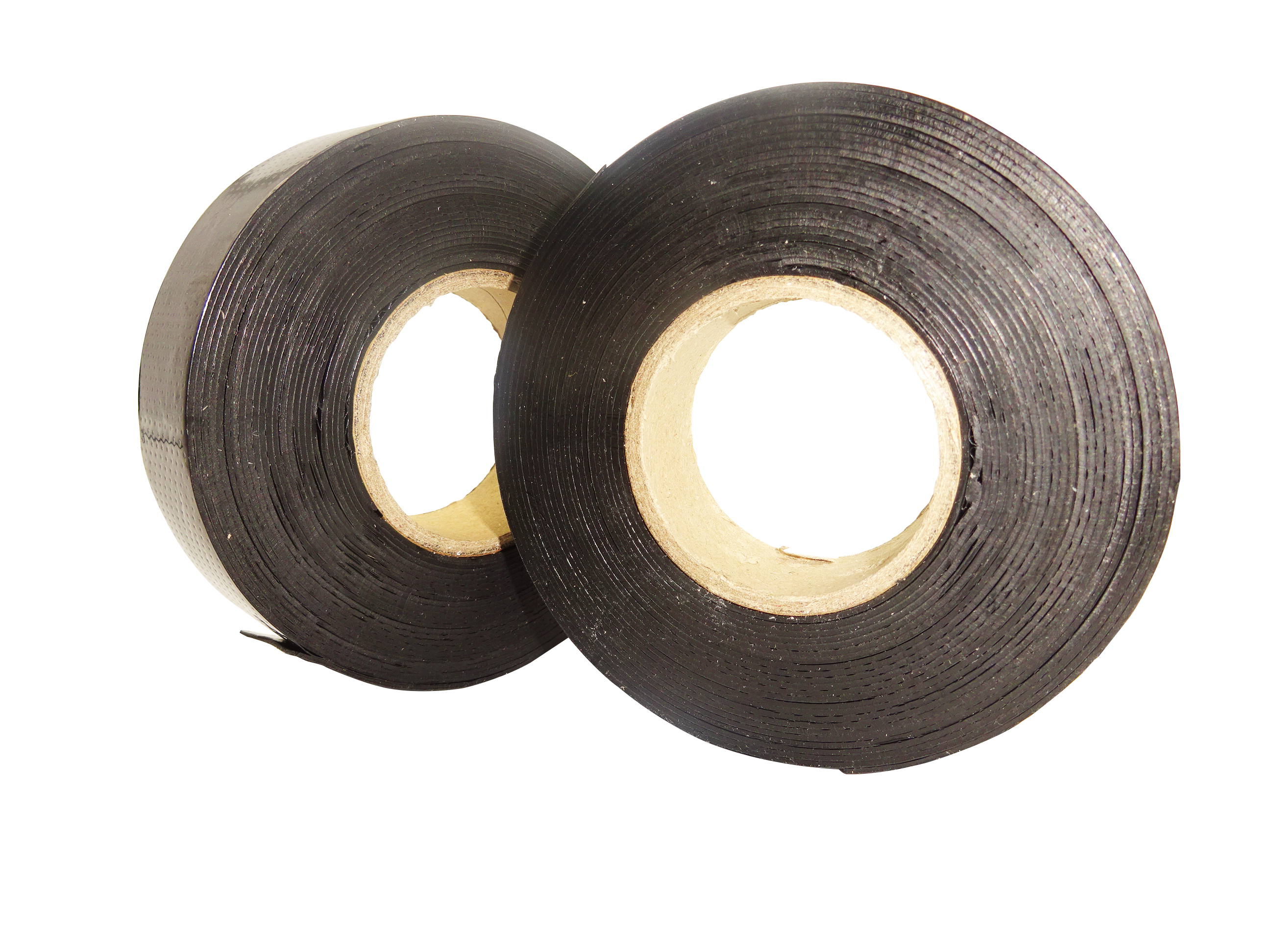
Installation Applications of Self-Fusing Silicone Insulation Tape Include:
• Replacement of the outer insulation of medium and low voltage power cable terminations and intermediate joints.
• Insulating the exposed parts of the busbars and electrical connection points.
• Moisture sealing at cable roots inside junction boxes.
• Waterproof reinforcement of the outer sheath of indoor and outdoor terminations.
• Temporary insulation protection for exposed ends of overhead line conductors.
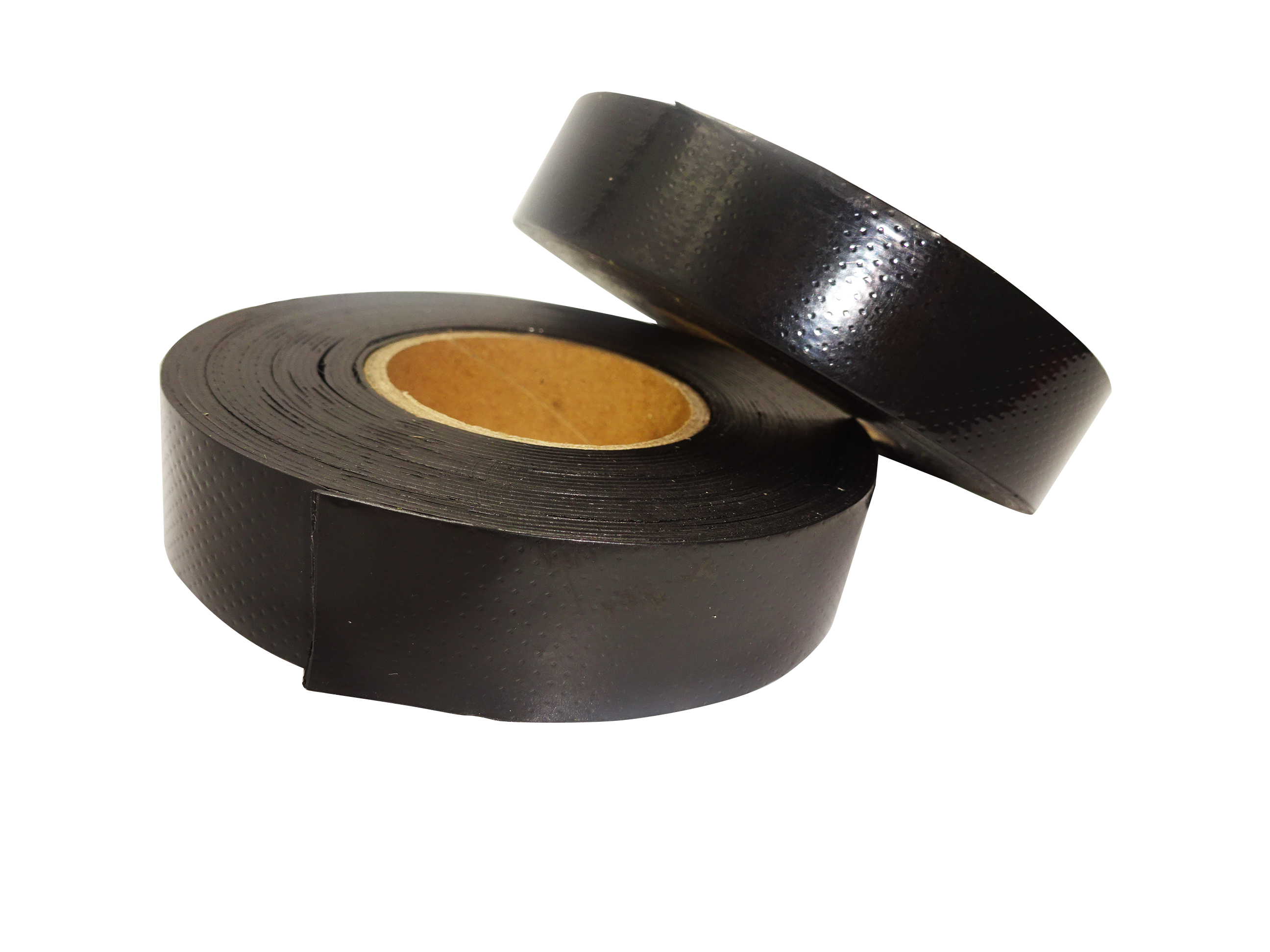
About CCMT:
Founded in 1986, we have spent almost 40 years as a cable accessory manufacturer. We are proud that our company is able to form an integrated technology loop from polymer material modification to formulation, product structure design and production of finished product. The size of our facility is about 10,000 square meters, and we have a staff of over 200 people.
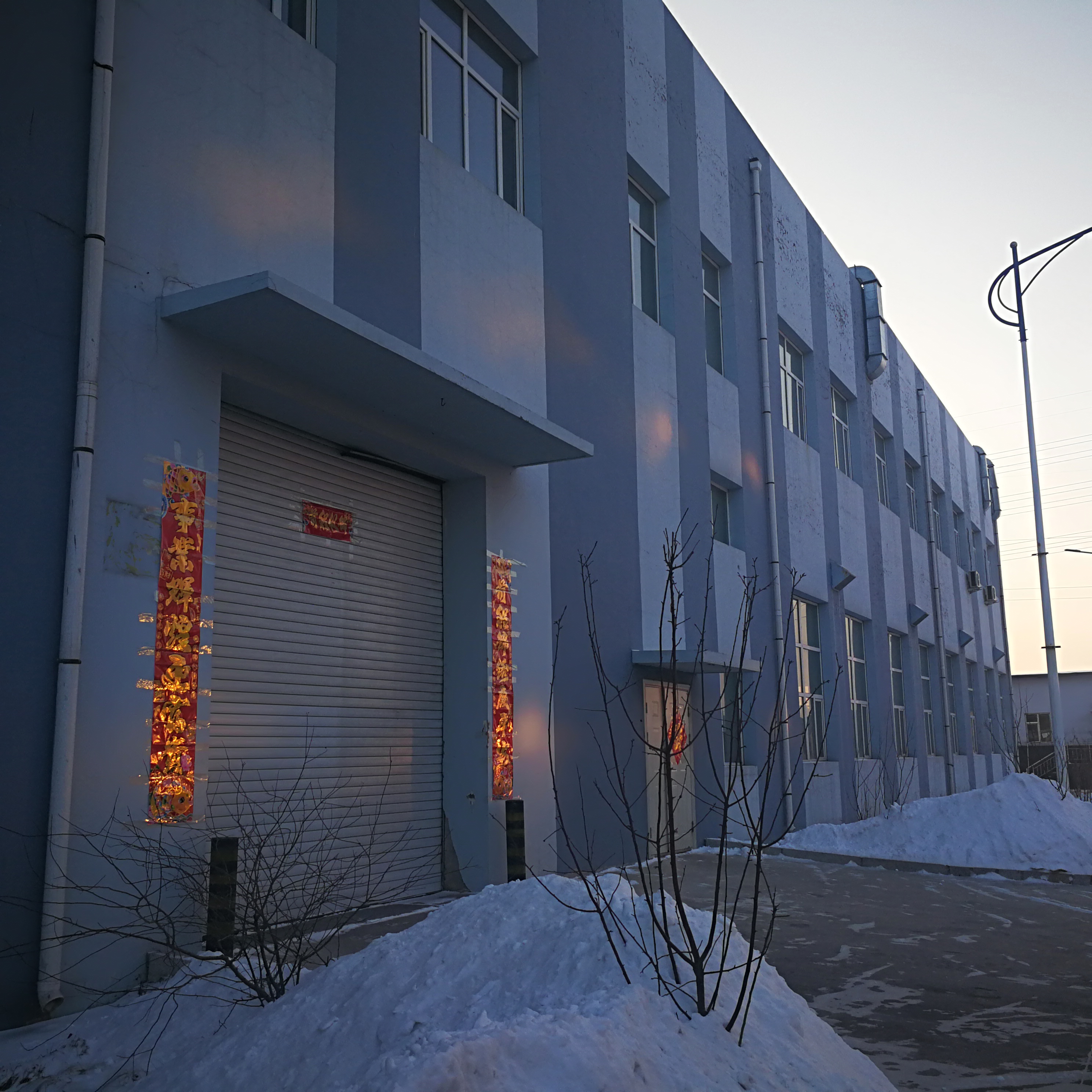
Our manufacturing system operates through several different production lines that are specialized according to product process characteristics. We have 13 plastic extrusion lines and 10 oil expansion lines that continuously produce heat-shrinkable products; 4 sealant extrusion lines that precision-extrude tape products; 3 silicone extrusion lines that are mass suppliers of cold-shrink tubing products; and the molding and injection equipment that supports production meets the demand for irregularly shaped parts and end caps.
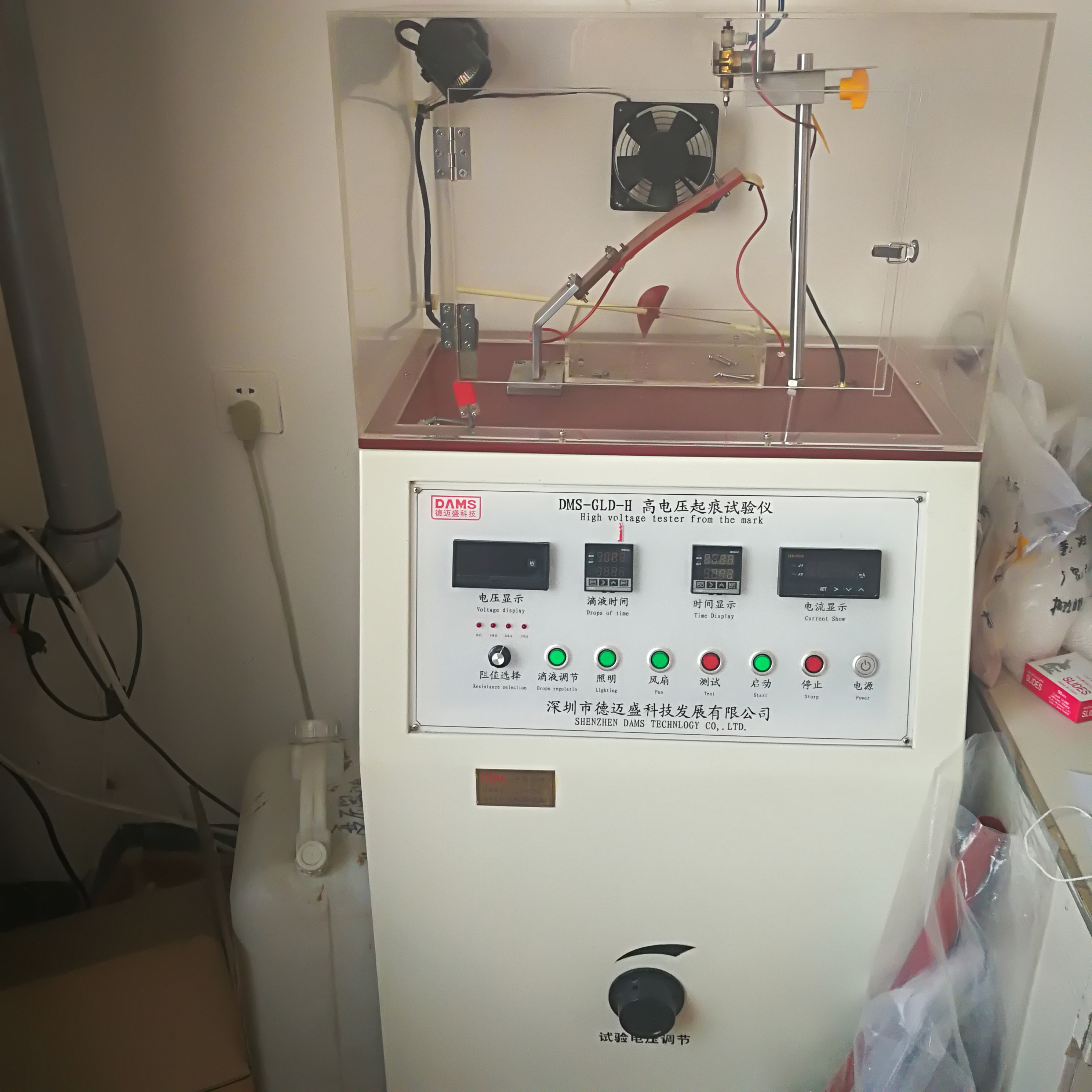
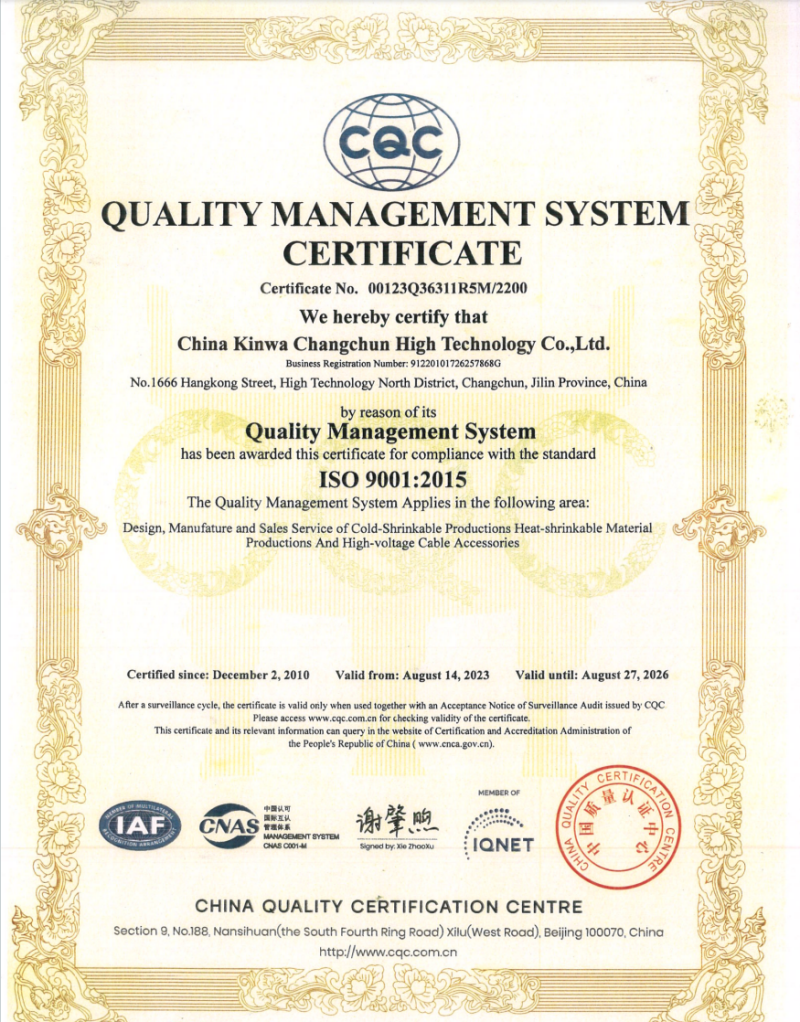
The entire process from raw material intake to finished product delivery is subject to standardized control implemented by our company in line with the quality management system ISO 9001:2015 (certification number 00123Q36311R5M/2200). As for product testing and certification, all type test reports for heat-shrink and cold-shrink cable terminals and joints are issued by independent third-party international certification laboratories.
Export Cooperation:
Thanks to our more than forty years of overseas trading, we have the capability to supply OEM to big multinational corporations like Raychem, 3M, ABB, and Shell. We export our wares to power and telecommunications sectors of EU, the Middle East, Southeast Asia, and South America markets of dozens of countries.
Exhibition Activities:
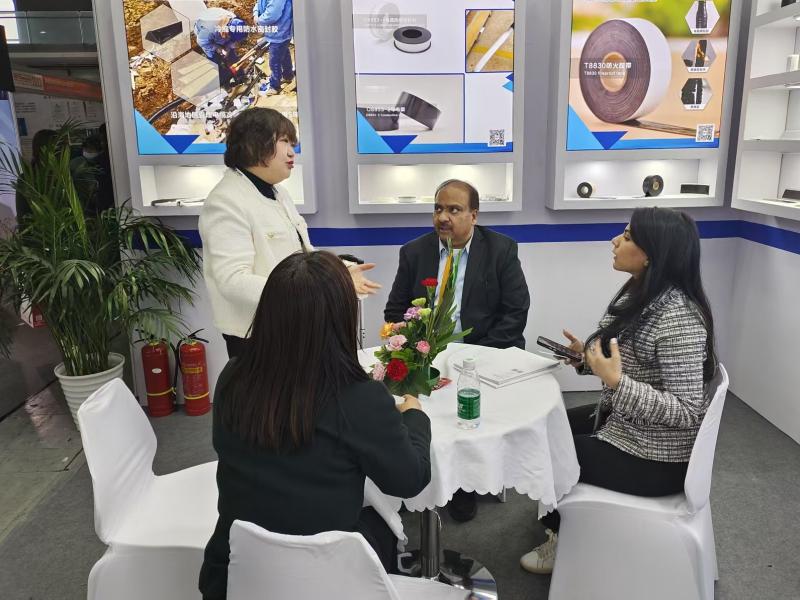
We attended the 32nd Shanghai International Power Equipment and Technology Exhibition in November 2025 as a company, highlighting our main products which are cable joints and terminals besides our specialties in making waterproof insulating tapes. The visitors to the exhibition could witness through our demonstration, the self-fusion nature of the tape when unwinding and the elastic restoring property of the cold-shrink pipe. Our exhibit was visited by professional customers from Southeast Asia, Middle East and South America, resulting in fruitful technical discussions on sealing ability of materials for tropical climate and the advantages for quick and simple installation process.
FAQ:
1. If bulging or wrinkles appear after wrapping the tape, will it affect the insulation effect?
If the construction is incorrect and leads to bulges, wrinkles or the bubbles between different layers on the surface after the wrapping, it will decrease the local dielectric strength and open up channels for moisture penetration. The slight bulging, in this case, can be removed and the process redone within 24 hours.
2. If the tape needs to be removed after wrapping, will it damage the original insulation layer of the cable?
After the tape melts, the interlayer bonding force is stronger than the interfacial adhesion force. When removing it, the tape body must be cut axially before peeling.