How Do You Choose the Right Size for a Cable End Cap?
The cable end cap is used for end sealing and protection before cable storage, transportation and installation. If the size is too large, the end cap may not form a suitable fit with the cable surface ; if the size is too small, it may be difficult to install, or even unable to cover the target location. For purchasers, the correct selection can not only depend on the nominal specifications of the cable, but also need to confirm the actual outer diameter, end structure, end cap material and the applicable diameter range specified by the product.
What Dimensions of the Cable Need to Be Measured?
· Before the selection, it is recommended to focus on confirming the following information:
The actual outer diameter of the cable : Use a caliper or diameter measuring tool to measure the position covered by the end cap plan. In the case of a non-circular cable, the max and the min values should be measured and noted for each direction.
· Cable outer sheath diameter: The outer diameter of a finished cable should generally be measured for cables with exterior sheaths, instead of measuring the conductor size or the dimensions of the internal insulation layers.
· Cable end structure: Decide if it is flat and round, if there are any steps or other special features, and define the length that should be covered.
In case of the end cap, this data serves the supplier and enables him or her to check whether the end cap will fit and also avoid getting the wrong size or getting an end cap which does not fit perfectly.
How to Match the End Cap Specification According to the Cable Diameter?
The buyer should focus on checking the initial inner diameter, the inner diameter after shrinkage, the applicable cable diameter range, the shrinkage ratio and the coverage length. Taking CCMT heat shrink wire caps as an example, its applicable cable diameter range is 12-200 mm. However, this does not mean that any one model is applicable to the entire range. In actual procurement, it is still necessary to confirm the size parameters corresponding to the specific model.
For example, when the cable outer diameter is measured to be 35 mm, it should be confirmed to the supplier that the scope of application includes a specific model of 35 mm, rather than purchasing directly based on the overall scope of the product range.
For the cold-shrinkable end cap, the applicable diameter range specified by the manufacturer should be checked first. It can not be judged that the product is suitable for the cable only by the fact that the product can be stretched to a certain size.
What Is the Difference Between Heat Shrink Wire Caps and Cold Shrink Cable Caps?
· Heat shrinkable end cap : It is necessary to check whether the initial opening can accommodate the cable, whether the shrinkable size is applicable, whether the shrinkage ratio meets the requirements, and whether the end cap length can cover the target area.
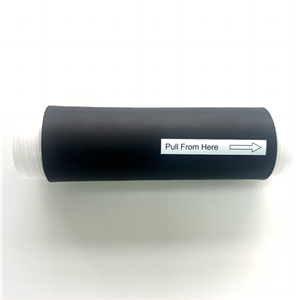
· EPDM cold shrinkable end cap : pre-expanded structure is adopted. After the internal support core is removed during installation, the material shrinks elastically. The applicable cable diameter range, end structure and coverage length should be checked during selection.
Our EPDM cold shrink cable cap parameters include: tensile strength ≥ 8.0 MPa, elongation at break ≥ 450 %, tear strength ≥ 27 kN / m. These material performance indicators can be confirmed with the supplier before procurement, and then the applicable cable diameter can be calculated.
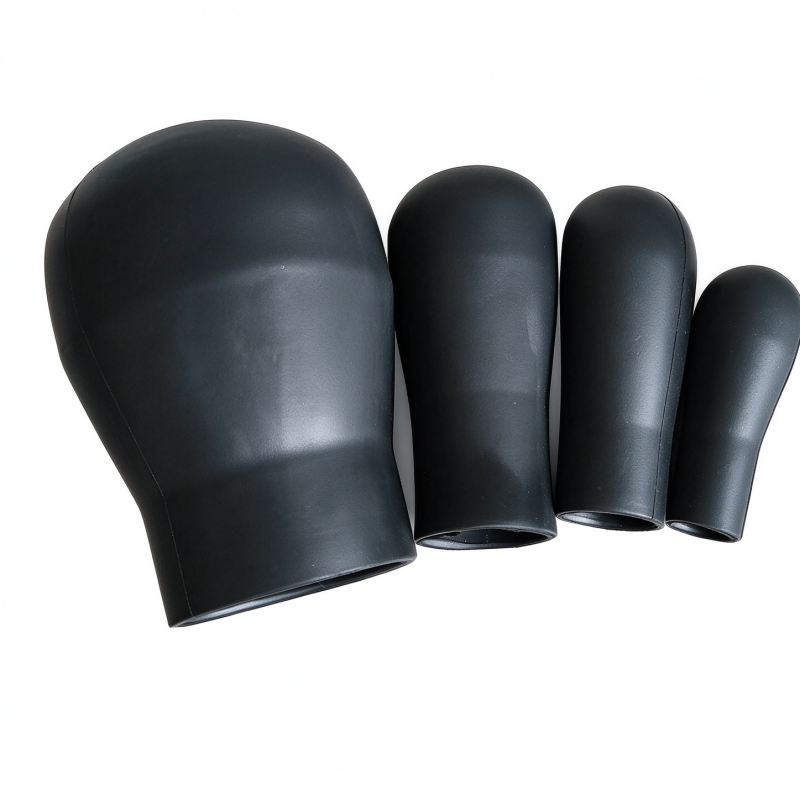
EPDM Cold Shrink Cable Cap
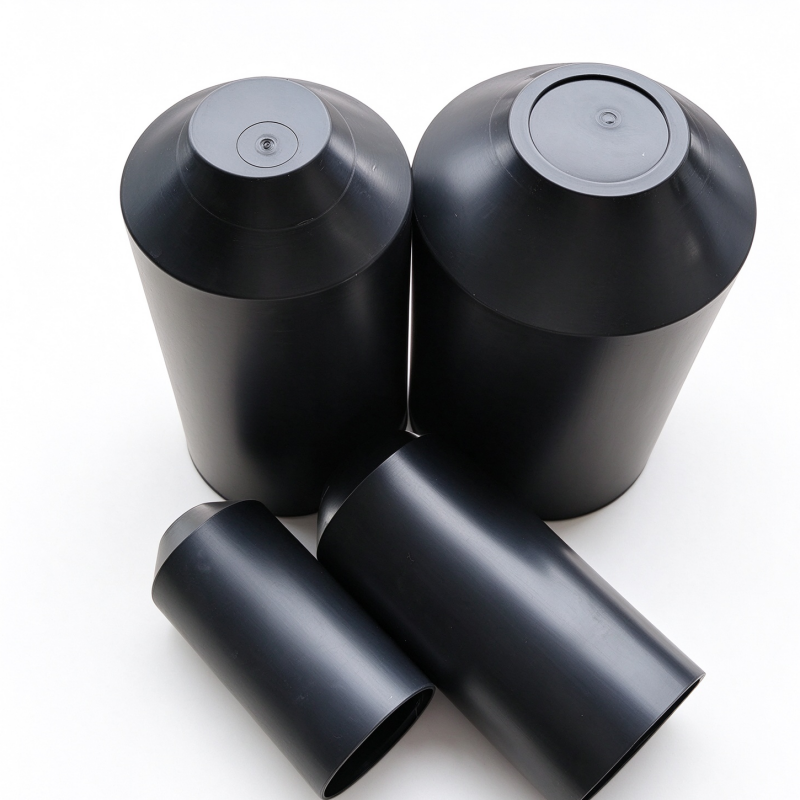
Heat Shrink Wire Caps
Common Selection Errors and Check Lists Before Placing Orders:
The following problems need to be avoided in procurement:
1. Only according to the cable 's nominal specifications, the actual outer diameter is not measured.
2. The size judgment method of the heat-shrinkable end cap and the cold-shrinkable end cap is completely equal.
3. Only look at the shrinkage ratio, not check the actual applicable diameter range.
4. Ignore the cable end structure and the required coverage length.
5. Only confirm the product series, not to the specific model.
It is advisable to gather the following information: cable type, actual outer diameter, end structure, coverage length needed, end cap type, application environment, purchase quantity and project technical requirements, before placing the order.
FAQ:
Q1: The cable diameter is between the two end cap specifications. Which one should be selected?
It is not recommended to directly select larger or smaller specifications. Suppliers should be allowed to confirm the applicable diameter range of the two models and judge them according to the actual measured values.
Q2: Can only provide cable nominal specifications be selected?
The nominal specification can be used as a preliminary reference, and it is best to provide the actual outer diameter including the sheath at the same time to further confirm the model.
Q3: How to confirm the EPDM cold shrink cable cap model?
Please provide the cable outer diameter, end structure, coverage length, application environment and project requirements, we will match the specific model and scope of application for you.
If you 're not sure which cable cap size is right for your application, you can provide us with the cable outer diameter, end structure, required product type and number of purchases. Based on the provided details, we may provide assistance in verifying the product specifications and referencing for further sample confirmation or batch orders.