Application Cases of Overhead Power Line Protection Covers in Practical Projects
Urban construction and the surrounding environment are constantly changing. With the growth of trees, bird activities, floating foreign objects and the increase of surrounding buildings, some existing overhead lines pose a risk of accidental contact with the originally exposed overhead conductors. If the entire section of wire is replaced directly, it will not only require materials and construction costs, but also involve power outage arrangements and a long transformation period. Therefore, many line reconstruction projects have begun to consider adding targeted protective measures to the original conductors.
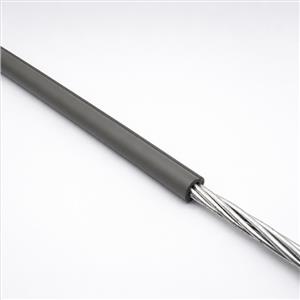
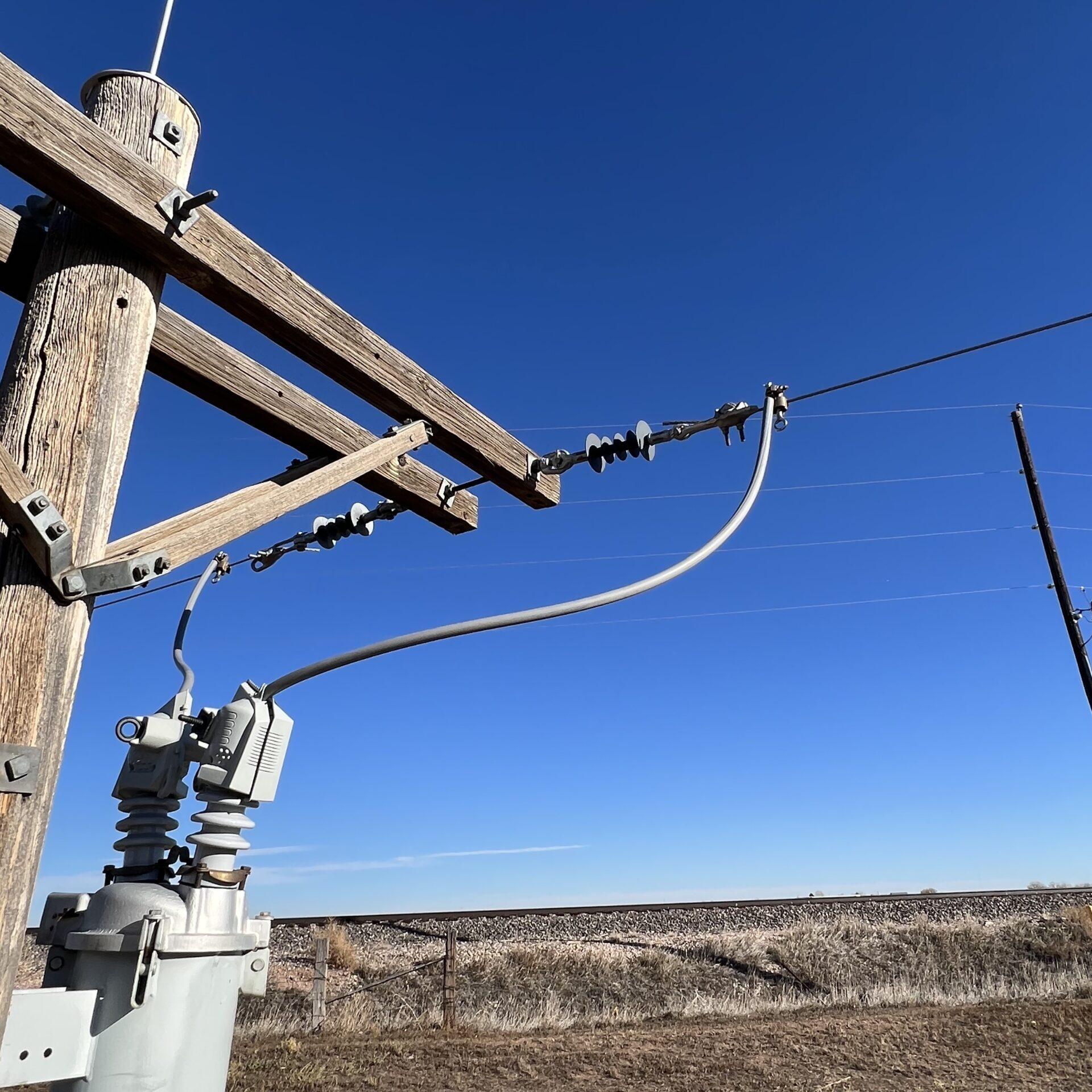
In this actual engineering project, the overhead power line protection covers produced by our company were applied to existing overhead power lines to provide additional insulation protection for bare wires with external contact risks.
Project Background
This project is an overhead line protection and renovation project that has been put into operation. There are branches growing, birds staying and foreign matter entanglement near the conductor. Accidental contact between bare wires and branches, birds or other external objects may increase the risk of short circuits, flashover or line failure.
After evaluating the on-site line environment and conductor conditions, the project party finally chose to use overhead power line protection covers to carry out insulation protection transformation on the designated line sections.
Solutions
According to the size of the on-site wire and the actual application environment, we provided overhead power line protection covers with matching specifications for the project, which are directly applied to key areas of existing lines. Compared with replacing the entire section of insulated wire, this method can carry out local installation based on the risk location of the line and reduce unnecessary large-scale modifications.
In addition, silicone rubber materials have good flexibility and weather resistance, and can adapt to the outdoor environment where overhead lines are exposed for a long time. In practical applications, the sheath needs to face sunlight, rain, temperature changes and other natural environmental factors, so the long-term environmental adaptability of the material is also an important consideration in the selection of this project.
Field Application
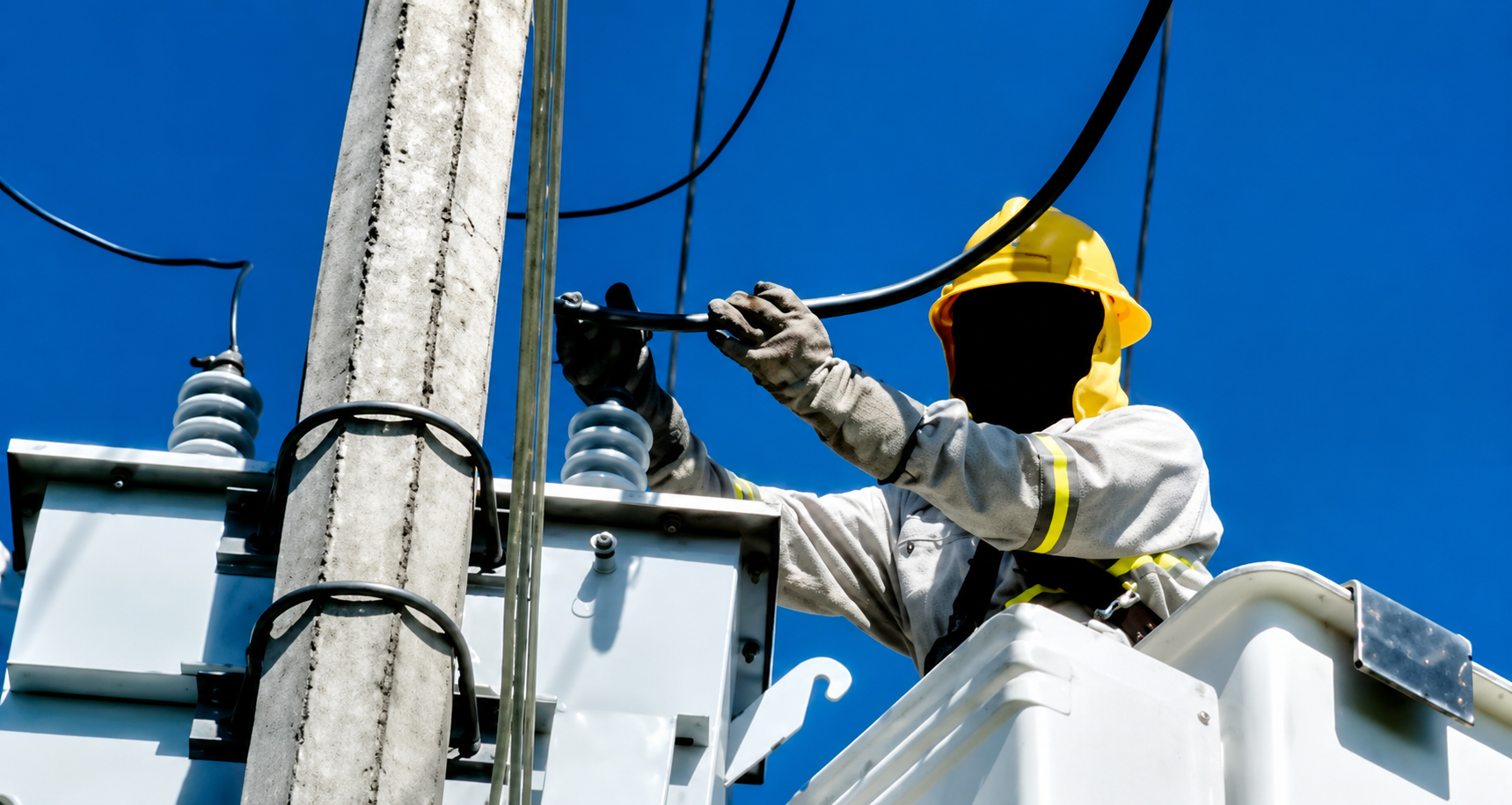
Before construction, the staff first confirms the position of the line that needs to be protected and measures the size of the wire. After selecting an insulating sheath of corresponding size according to the actual line specifications, the construction personnel installed the product in the designated overhead conductor area.
The entire project did not replace the original line as a whole, but added insulation protection to sections that are vulnerable to external environmental impacts. After the installation of the project was completed, a layer of insulation protection was added to the originally exposed key line areas, providing additional protection for line operation.
Practical Application Value
The application of this project shows that overhead power line protection covers are not used to replace all traditional insulated wires, but can be used as a solution for the renovation and local protection of existing overhead lines. By installing sheaths for different risk areas, the project party can formulate more targeted protection plans based on the actual line environment.
From Product Supply to Engineering Applications
As a supplier of cable accessories and line protection products with more than 40 years of experience, we can provide customers with corresponding overhead line insulation protection products and selection support based on the wire specifications and application environment of different engineering projects.
This project case further verified the application value of CCMT's overhead power line protection covers in actual line reconstruction. This product can provide more flexible protection options for projects that do not want a comprehensive wire replacement but need to address the risk of external contact to local lines.