High Voltage Power Line Protection Covers: A Buyer's Guide to Selection, Compliance, And Installation
Procurement Guide:
High voltage power line protection covers are specified for a narrow set of jobs: protecting conductors where clearance cannot be raised, reducing accidental contact at crossing points, and shielding lines from wildlife or falling debris. Buyers searching for them usually have a specific line voltage, a conductor diameter, and a set of local safety rules to satisfy. This guide covers the parameters that matter, the standards to ask about, and the questions to put to a supplier before ordering.
Key Takeaways:
· Match the cover's voltage class and material to the line, not the other way around.
· Confirm the tracking and UV-resistance test reports cover the exact formulation quoted.
· Wall thickness, not just outside diameter, drives mechanical and electrical performance.
· Installation method is part of the specification — hot-stick compatible covers require different hardware.
What High Voltage Power Line Protection Covers Are?
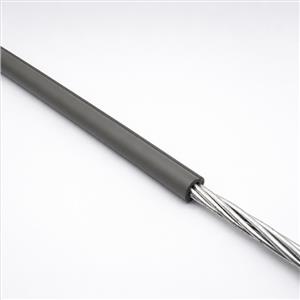
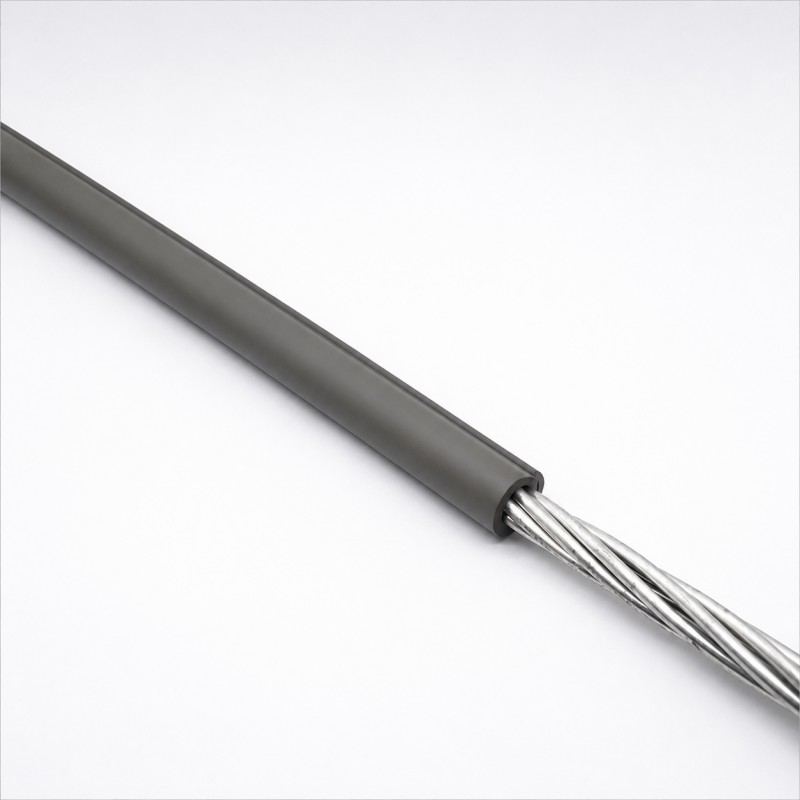
An overhead power line cover is a formed polymer or composite shell that wraps around a conductor, a jumper, or a section of line hardware. It is not insulation in the cable sense. The cover is a barrier: it keeps a person, tool, animal, or branch from making direct contact with an energized or grounded component. Because of that function, the cover must hold its shape, resist surface tracking, and survive the line's mechanical loads and weather for the intended service life.
Two functions are commonly confused. Electrical protection covers are rated to withstand a specified voltage and tested for tracking and withstand. Mechanical or wildlife protection covers are designed to keep animals and debris off the line and may carry a lower or no electrical rating. If your scope calls for live-line work, you need the former. If you are protecting a span from bird contact, the latter may be sufficient. Mixing them up is the most common specification error.
Cover Types and Where Each Fits:
Covers are usually named by the component they protect. The table below describes the main families and the situation each is built for.
| Type | Typical Use | What to Confirm |
| Conductor cover / line guard | Wrapping bare conductor where clearances are tight or where contact risk is high | Conductor diameter range, voltage class, UV and tracking test reports |
| Jumper cover | Insulating jumpers at structures and dead-ends | Bend radius, hardware compatibility, retention method |
| Wildlife guard | Preventing bird and animal contact on spans and at crossarms | Length, overlap, UV performance, retention in wind |
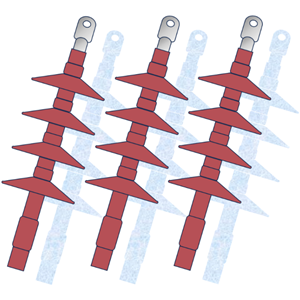
| Crossarm / insulator cover | Shielding hardware and insulators at the structure | Fit to specific insulator profile, hot-stick compatibility |
| Split or wrap-around cover | Retrofit without removing the conductor | Closure method, seal integrity after repeated opening |
Split covers are the default for retrofit work because they can be installed on an energized line without cutting the conductor. One-piece covers usually go on during new construction or during an outage. If your project mixes both, state the split clearly in the purchase order — the two are not interchangeable on a live-line job.
Specifications Buyers Should Confirm.
· Voltage class and material
Covers are quoted by voltage class. The material behind that rating is usually one of three families: cross-linked polyethylene (XLPE), ethylene propylene rubber (EPR), or a silicone-based compound. Each has different tracking and UV behavior. Ask the supplier which formulation is quoted and request the test report for that formulation — not for the material family in general.
· Dimensions and wall thickness
The conductor diameter range is the first fit check. Outside diameter alone is not enough. Wall thickness drives mechanical stiffness, puncture resistance, and the electrical withstand margin. Two covers with the same outside diameter can have very different wall thickness and, therefore, very different performance. Put the required wall thickness in the specification and ask for a dimensional drawing.
· Color and UV stability
Color is not cosmetic. Many utilities specify a color for identification and for UV performance. If your specification names a color, confirm the supplier can hold it across the order and that the UV test was run on that pigmented compound. Color matching across batches should be stated as a tolerance, not assumed.
· Temperature range and service environment
State the ambient and conductor temperature range. Also state the environment: coastal salt, industrial pollution, high-altitude UV, or heavy ice loading. These change the material and thickness recommendation, and a supplier cannot select correctly without them.
· Retention and hardware
How the cover stays on the line matters as much as the cover itself. Confirm the closure or retention method, the hardware material (usually stainless), and whether the hardware is rated for the same voltage class and corrosion environment. Loose hardware is a common cause of cover failure in service.
Standards and Verification.
Most procurement specifications reference an industry standard for the cover class you are buying — for example, an ASTM or IEC standard for insulating covers, or a utility-specific standard. The supplier should be able to name the standard the product is tested to and provide the report.
Three verification points matter to a buyer:
· Test report scope. The report must cover the exact formulation and dimensions quoted, not a similar product.
· Test house and date. Confirm the testing laboratory and the report date. Older reports may not cover a current formulation.
· Certification vs. test report. A test report is evidence of performance on a sample. A certification is issued by a body against a scheme. Know which one your specification requires before you ask.
If the supplier cannot provide a report for the quoted formulation, treat the voltage rating as unverified and request it before ordering. Do not accept a rating carried over from a different product line.
Installation and Handling.
Installation method is part of the specification. Covers designed for hot-stick installation have specific geometry and fittings that let a lineman apply them from a bucket without touching the conductor. Covers designed for outage work may not. If your crew works live line, confirm hot-stick compatibility in writing.
Other handling points to settle before delivery:
· Storage temperature and shelf life, especially for rubber-based compounds.
· Whether the cover can be re-used after removal, and how many times.
· Inspection criteria after installation — what a passing fit looks like on the conductor.
· Training or documentation the supplier provides for the installation crew.
Sourcing Checklist.
Use this list when comparing quotes. It is written so you can send it to a supplier as-is.
· Voltage class and the standard the cover is tested to.
· Material formulation and the test report for that formulation.
· Conductor diameter range and wall thickness, with a dimensional drawing.
· UV and tracking test data on the quoted compound.
· Closure or retention method and hardware material.
· Hot-stick compatibility, if live-line work applies.
· Batch-to-batch color tolerance.
· Packing method that protects the cover in transit and storage.
·Documentation: test reports, installation instructions, and any certification your specification requires.
MOQ, lead time, and price are commercial terms that vary by project. Confirm them directly with the supplier rather than assuming from a catalog.
FAQ:
1. Can high voltage power line protection covers be installed on an energized line?
Only covers specified as hot-stick compatible, and only by trained personnel following the utility's live-line work rules. Confirm compatibility in writing before ordering.
2. Are all covers rated for the same voltage as the line?
No. Covers are rated by voltage class, and a mechanical or wildlife guard may carry a lower or no electrical rating. Match the cover to the function, not just the line voltage.
3. What documentation should I ask for?
At minimum: the test report for the quoted formulation, a dimensional drawing, and installation instructions. If your specification requires a certification, ask which scheme and body issues it.
4. How do I compare two suppliers?
Compare on the same parameters: wall thickness, conductor range, material formulation, test standard, and retention hardware. A lower price with a thinner wall or an unverified rating is not a like-for-like comparison.
Next Step:
If you have the line voltage, conductor diameter, and the standard your utility requires, send those three details with your inquiry. That is enough to confirm whether a cover family fits your project and to request the matching test documentation.