How to Choose Heat-Shrink Right Angle or In-Line Bushing Boots? Determining the Suitable Type Based on Cable Construction
Anti-track heatshrinkable bushing boots are not a simple product model choice, but depend on the actual direction of the cable after it comes out of the equipment interface, the connection area structure, and the on-site installation space.
If you are just keeping the cable going straight out and not changing anything to its direction, a straight-through type might be the easiest for you to work with. However, if turning the cable to any side, down, or a pretty much at an angle is involved, a preformed right-angle type sheath can usually be a better choice. Confirm the cable structure first and then determine the sheath form when purchasing, which can reduce the problems of on-site installation adjustment and wrong specification selection.
What Are the Main Differences Between Heat Shrink Right Angle/In-Line Bushing Boot?
The core difference between the two products is not just the appearance, but the different structural direction of the sheath after being preformed.
· The straight-through heat shrink sleeve sheath maintains a relatively continuous linear structure as a whole, making it more suitable for the installation form where the cable extends directly forward from the equipment connection position.
· The right-angle heat shrink sleeve sheath has a structurally pre-formed turning area to adapt to situations where the cable needs to change direction after exiting the connection position, such as lateral outgoing wires, downward outgoing wires, or positions with obvious corners inside the equipment.
Therefore, the first thing you need to observe when purchasing is not "which shrinkage ratio is greater", but: After the cable comes out of the connection point, will it continue to travel in a straight line or does it need to be turned? This judgment is usually more direct than simply selecting products based on cable models.
Under What Circumstances Is It More Appropriate to Choose the Straight-Through Type?
If the equipment interface, cables and subsequent traces are basically in the same straight line, the straight-through type is usually a more direct choice. For example:
· Cable goes straight forward from the equipment interface
· There are no obvious turns in the connection area
· Installation space allows sheath to unfold in a straight direction
· Need continuous coverage of equipment interfaces and cable connection areas
Another practical advantage of the straight-through type is that it is easier to form a standardized correspondence between the product structure and the fixed outgoing direction of the equipment. For illustration, if the type of switchgear is repeatedly the same, the same design of linear outgoing line will be used; then, in the fixed structure, the corresponding directly-through specifications can simply be set, so that the on-site temporal adjustment work will be cut down.
What Is the Heat Shrinkable Right Angle Boot?
In those cases where cables need to be redirected quite a bit after coming out of the equipment connection slot, the right-angle type is the one generally favored. Usually, the situations that come into mind are:
1. Side exit.
The cable connection point is located inside or on the side of the equipment, and the cable needs to be led out to the side. If a common straight tube structure is used, the sheath requires additional adjustments in the corner areas.
2. Down the line.
The internal space of some electrical equipment is limited, and the cable needs to be routed downward after completion of the cable connection. Preformed right-angle structures can be closer to this routing direction.
3. There are compact corners inside the equipment.
When the space near the connection location is small and the cable cannot maintain a large linear installation space, the right-angle structure can reduce the on-site adjustments required for ordinary straight pipe sheaths in the turning area.
CCMT's right-angle heat shrink sleeve sheath positions right-angle structures on the side, bottom, or other electrical equipment connection areas where outgoing at specific angles, and emphasizes that the preformed structure reduces the need for ordinary heat shrink tubing to cut, adjust, and re-heat at corner locations.
Why Can't We Replace the Heat Shrinkable Right Angle Boot with Ordinary Straight Pipes?
Ordinary heat shrink tubing itself has greater installation flexibility, but when faced with the determined equipment steering structure, it may still be necessary to position, adjust or even heat multiple times on site. In fact, it might be very difficult to notice such a small change when an individual piece of maintenance was done; however, when a whole batch of switchgear, transformers, or any other electrical equipment was assembled, structural consistency became much more important since every product had to be mounted in the same or very similar installation position and direction.
The value of the preformed right-angle sheath is that it is not a way to form corners after being installed on the site, but the product itself has formed a structure in the expected outgoing direction. This facilitates a consistent setup approach for the buyers during the whole assembling process of the batch, thereby also minimizing the differences of installation caused by various operators.
Therefore, if the equipment structure itself has been determined, it is best to give priority to preformed products that match the equipment structure when purchasing, rather than simply using "ordinary heat shrink tubing can shrink" as the criterion.
When Judging a Right Angle Type, Don't Just Look at Whether There Is a Bend.
The cable needs to turn is only the first step. When actually purchasing, you should also further observe where the turn occurs. For example:
· Does the turn occur near the equipment interface or far away from the interface?
· Does the cable turn out directly sideways from the connection area, or does it go straight for a certain distance before turning?
· Are there other structural parts inside the equipment?
· Is there enough installation space at the corner of the sheath?
· Is the direction of the right-angle structure consistent with the actual cable direction?
If you only know that a 90-degree turn is required on the site, but do not confirm the turning position and equipment structure, the problem of product direction mismatch may still occur. Therefore, if you choose a right-angle product when purchasing inquiry, in addition to providing cable information, it is best to also provide photos of the connection area, structural drawings or simple outgoing line schematic diagram.
Can Right-Angle Type and Straight-Through Type Replace Each Other?
Direct swaps are usually not recommended.
· If the equipment was originally designed according to a right-angle outgoing line and changed to a straight-through type during purchase, the product may need to be adjusted on-site or even limited by equipment space.
· If the equipment itself uses a straight line to exit but selects a right-angle product, the problem that the direction of the sheath structure is inconsistent with the actual routing may also occur.
Especially for batch procurement projects, whether a product can be installed is not the only criterion. You should also be concerned about whether the directions for installation are uniform, whether or not on-site operations are smooth and easy, or if different batches of products are still able to achieve the same good installation results. If the equipment already has a clear structural design, it is recommended to determine the outgoing direction of the equipment first and then determine the sheath structure, rather than purchasing a product first and then trying to adapt to the equipment.
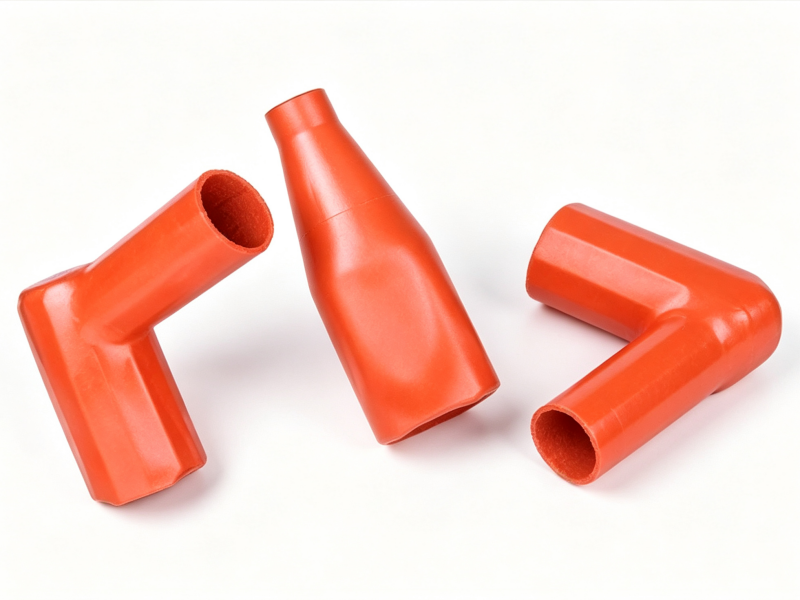
CCMT Offers Two Preformed Structures: Right-Angle and Straight-Through.
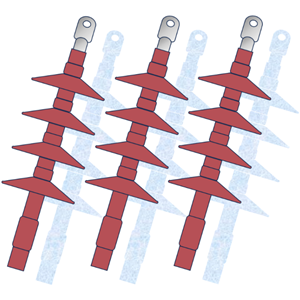
CCMT's anti-track heatshrinkable bushing boots use polyolefin materials and are available in both straight-through and right-angle structures for protection of connection areas in different cable outgoing directions. The inner walls of both ends of the product are pre-coated with hot melt sealant, which can strengthen the fit and sealing between the cable and equipment interface area after heating and shrinking.
Our products have a shrinkage ratio of 2:1 - 3:1, a minimum full recovery temperature of 130 ° C, and have resistance to electrical traces and ultraviolet rays. Existing product specifications include right-angle models R1-R5 and straight-through models S1-S3. The corresponding models can be further confirmed based on the specific equipment structure when purchasing.
A Simple Choice Logic:
If you only need to make a quick judgment, you can follow the following logic:
· Cables go straight forward from the connection area? -- Straight through type.
· Cable is rolled out from the connection area to the side, bottom or other directions? -- Right angle type.
· Equipment space is very compact? -- Priority is given to checking whether the preformed structure can match the actual routing direction.
· The same equipment requires long-term batch assembly? -- Priority is given to structures that standardize installation directions and operating methods.
If you are not sure whether the straight-through type or the right-angle type is more suitable, you can provide photos or structural drawings of the equipment interface, cable outgoing direction and related size information. CCMT will help confirm the right product type and its specifications based on how the actual installation is set up in order to minimize the mistakes in purchasing and selection.