How Do EPDM Cold Shrink End Caps Help Cable Manufacturers Simplify Installation and End Sealing?
In the preparation process of cable production, storage, transportation and on-site installation, the cable end often needs temporary sealing protection. If the end gets covered with moisture, dust or other pollutants, water and impurities might get into the cable, leading to concealed risks to future installation and usage.
The standard shrink wrap technique with heat usually requires a heat source to be set up as well as a time-controlled heat shrinking process following the heat shrinking procedure to shrink the material. Such procedures probably would add more labor to the work site especially when dealing with a large volume of cables in a narrow working environment or where it is not possible to have fires for heating.
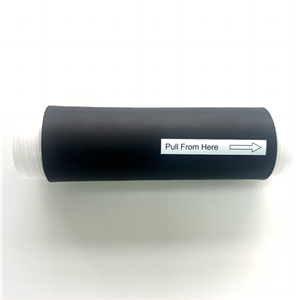
EPDM cold shrink end cap does not require heating to shrink the material during installation. It can protect the ends of cable against damage and dirt at the same times in situations before the product is made, transportation, installation. The heating equipment required is minimal, therefore this protective procedure gets more straightforward.
The Use of EPDM Cold Shrinkable End Cap:
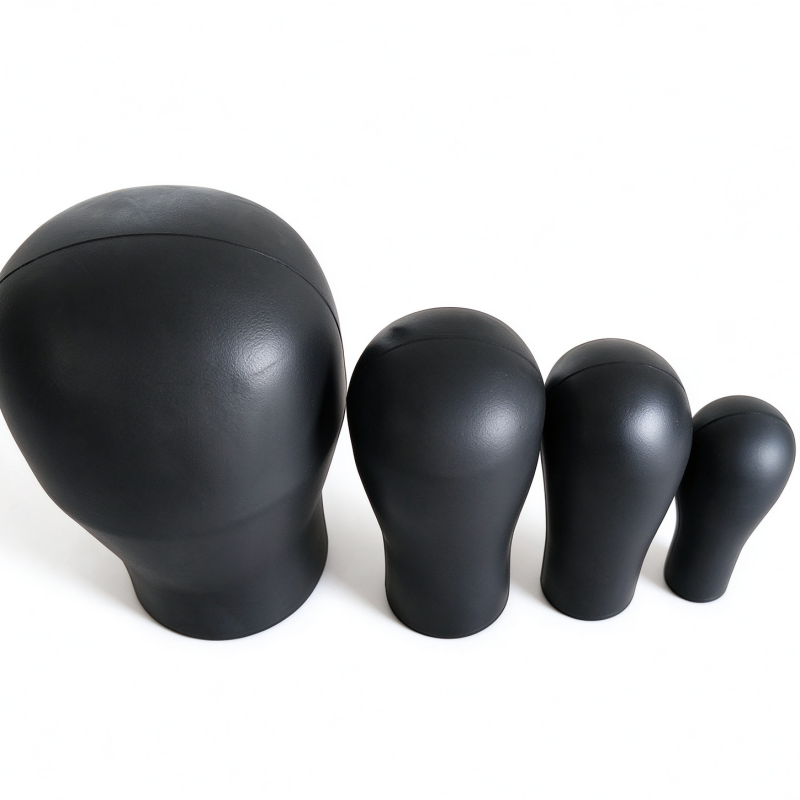
Taking EPDM cold shrink end cap of CCMT as an example, the rubber end cap was pre-expanded and kept in shape by the internal support core by pre-expansion process. When installing, the end cap is positioned at the end of the cable that needs to be sealed, and then the support core is gradually extracted. The end cap will rely on the elastic retraction of the rubber itself to fit the outer surface of the cable.
This design essentially offers three main conveniences in procurement and installation:
· No heating tools are required : no hot air cannons and other heating devices are required to be used to contract the material, which significantly decreases the preparation of tools on site and heating operations.
· Installation steps are decreased : The procedure can just be combined in the cable protection stage since the work is accomplished by endcap positioning and pulling out the support core to shrink it.
· Batch processing gets enabled : It will be a good advantage for cable producers that operate different cable sets, as the use of the same type of core material along with installation method will lead to a reduction of differences in operational process.
What Factors Will Affect the Installation and Sealing Effect?
The installation steps of the cold shrinkable end cap are relatively simple, but if the product size does not match the cable, or the surface inspection is not done before installation, it may still affect the bonding effect of the end cap. It is recommended to focus on the following three aspects before purchasing.
1. Cable outer diameter and end cap applicable scope.
The outer diameter of the cable is the first parameter to be confirmed when selecting the end cap specification. If the end cap is too large, it may not be able to form a suitable bonding state ; if the end cap is too small, it may exceed the design scope of the product and affect the installation operation.
2. The surface state of the cable end.
Before installation, the cable end should be checked for moisture, dust, oil or other impurities that may affect the bonding, and the cleaning and preparation work should be done according to the product installation instructions. At the same time, check whether the cable outer sheath is damaged or obviously deformed.
3. Support core extraction and end cap positioning.
At first, while you are installing the parts the end cap has to be placed properly and fixed before you go further. After that, you will let go the support core and it will serve as a precaution to prevent end cap from loosening on its own until it is fully compressed.
In mass production, it is recommended to incorporate specification verification, surface inspection, end cap positioning and post-installation inspection into a unified operation process. This is more convenient for different operators to perform according to the same requirements, and also helps to reduce the rework caused by operational differences.
It should be emphasized that the cold shrinkable structure can reduce the heating steps, but it is not a substitute for the correct specification selection and installation inspection. For projects with clear waterproof grade, storage period or long-term outdoor use requirements, the corresponding product technical data and verification results should be further checked.
How Does the Purchaser Confirm the Appropriate EPDM Cold Shrinkable End Cap Specification?
Identifying key parameters before purchasing can reduce the time cost of mis-selecting specifications, repeated communication and subsequent replenishment. It is recommended to check from the following four aspects.
| Verification Item | Information to Verify When Purchasing |
| Cable Dimensions | Actual cable outer diameter, sleeve material, and dimensions of the end section to be covered. |
| Product Specifications | Compatible cable diameter range, fully recovered dimensions, and product length. |
| Operating Environment | Indoor or outdoor use, protection requirements before storage or installation, expected moisture exposure, and other environmental factors. |
| Purchasing Requirements | Required quantity, packaging method, delivery schedule, and whether sample testing is needed. |
In addition, it is recommended that buyers pay attention to the mechanical performance data of the product and its corresponding test methods. Take our EPDM cold-shrinkable end caps for example:
| Product Material | EPDM Rubber |
| Product Color | Black |
| Tensile Strength | ≥ 8.0 MPa |
| Elongation at Break | ≥ 450% |
| Tear Strength | ≥ 27 kN/m |
| Test Method for Tensile Strength and Elongation | ASTM D412-75 |
| Tear Strength Test Method | ASTM D624C-73 |
For long-term procurement or multi-specification cable projects, it is recommended to first carry out sample trial installation, confirm the matching of the end cap and the actual cable outer diameter, installation operation and end coverage effect, and then determine the batch procurement specifications.
CCMT:Provide a Convenient Choice for Cable End Protection.
Our EPDM cold shrink end cap is a pre-expanded structure that requires no heating equipment during installation and is suitable for scenarios where cable ends need to be sealed and protected. For cable manufacturers who want to reduce the heating process and simplify the installation operation, this design can be used as one of the options for end protection.
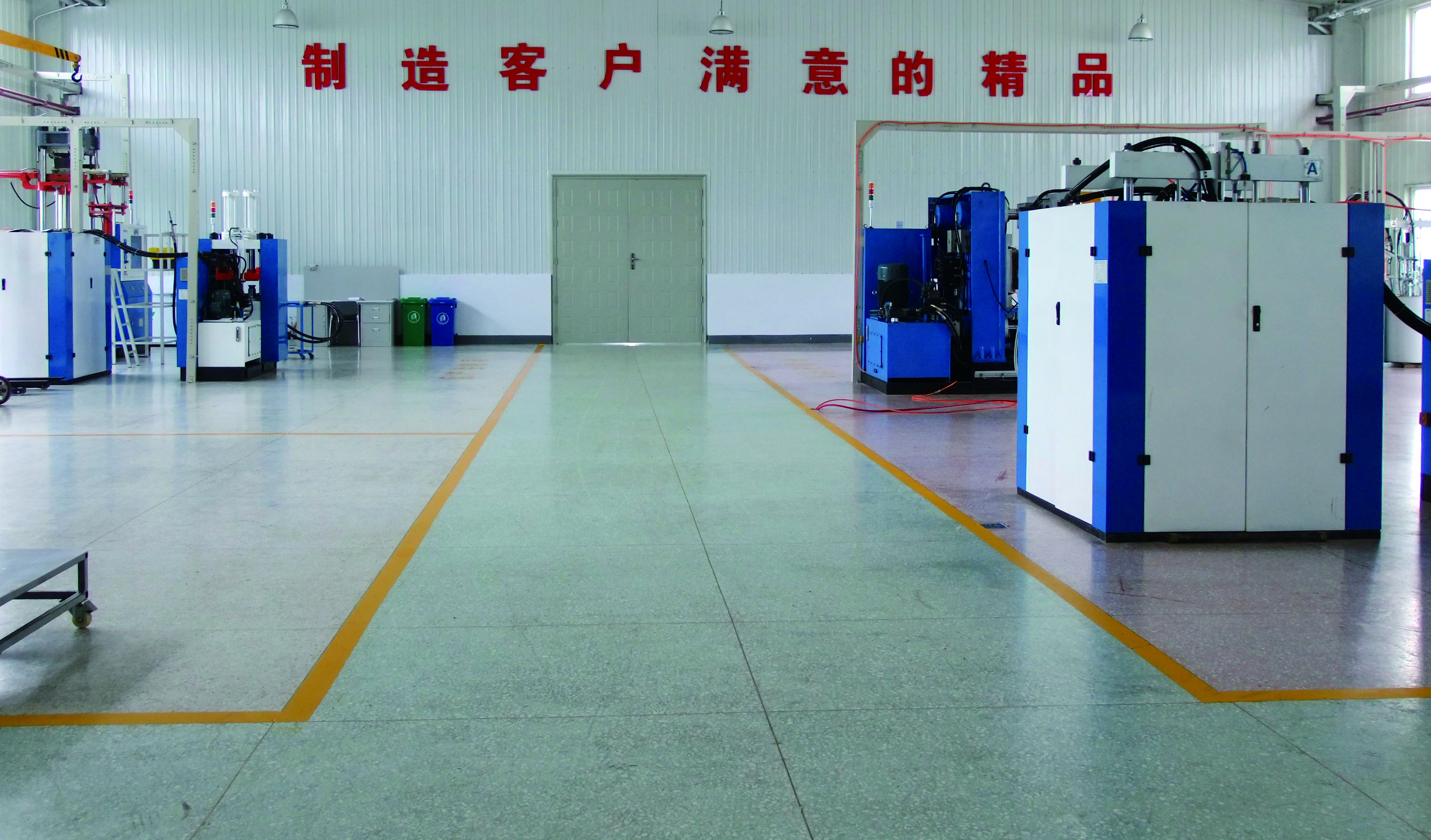
In terms of supply capacity, our company was established in 1986, with about 10,000 square meters of production site, more than 200 employees and more than 40 types of production equipment. The monthly production capacity of EPDM cold shrinkable end cap exceeds 30,000 pieces, and the huge production scale can ensure that your orders are delivered on schedule.
If you are looking for a suitable EPDM cold shrink end cap for cable production, warehousing, transportation or engineering projects, it is recommended to provide the following information when making an inquiry:
· The actual outer diameter of the cable and the sheath material;
· The main purpose and use environment of the end cap;
· the expected quantity of procurement and delivery time required;
· Whether samples or related technical data are needed.
Based on this information, CCMT can further check the product specifications and scope of application, and help you to confirm the appropriate end cap model before bulk purchase.
Contact CCMT for Cable Accessory Solutions
Looking for reliable cable accessories for your project? Contact our team for product specifications, technical support, and customized solutions.
Get in touch with CCMT for product inquiries and technical assistance.