Heat Shrinkable End Caps Vs. Cold Shrink Cable End Caps: How to Choose Based on Your Specific Application?
In the process of cable engineering construction, the cable end may be affected by moisture, dust and other environmental factors. Therefore, selecting the appropriate cable end cap is helpful to protect the cable end and reduce the risk of external pollutants entering. Heat-shrinkable end cap and cold-shrinkable end cap are two common cable end protection products. The main difference between the two is the installation method : the heat shrinkable end cap shrinks by heating, and the cold shrinkable end cap shrinks the pre-expanded elastic material and fits the cable by removing the internal support core.
Purchasers should not only compare the price of a single piece, but also consider the cable outer diameter, installation environment, sealing requirements and batch construction conditions. Only when the product size matches the application requirements can the cost caused by improper installation, wrong model selection and subsequent rework be reduced.
What Is the Difference Between Heat Shrinkable End Caps and Cold Shrink Cable End Caps?
Both heat-shrinkable end caps and cold-shrinkable end caps can be used for cable end protection, but there are differences in installation methods, tool requirements and size adaptation.
| Comparison Item | Heat-Shrink End Cap | Cold-Shrink End Cap |
| Installation Method | Heat is applied to shrink the material and make it fit tightly around the cable. | Remove the internal support core, allowing the elastic material to shrink onto the cable. |
| Tool Requirements | Requires suitable heating tools. | Heating equipment is generally not required. |
| Installation Conditions | Suitable for locations where heating is permitted and the heating process can be controlled. | Suitable for locations where heating tools are inconvenient to use or open flames are restricted. |
| Size Compatibility | Check the initial inner diameter, fully recovered inner diameter, and applicable size range. | Check the applicable outer diameter range and the material's elastic recovery capability. |
| Sealing Structure | Depending on the model, some products include a hot-melt adhesive layer. | Primarily relies on elastic recovery to create a tight fit; sealing performance depends on the product design. |
| Typical Applications | Cable factory processing, assembly operations, and on-site protection of cable ends. | Cable end protection, on-site installation, and work environments where heating is inconvenient. |
| Key Purchasing Considerations | Shrink temperature, heating method, dimensions, and whether an adhesive layer is included. | Compatible cable diameter, material, support core design, and storage requirements. |
There Is No Difference Between the Two Products for All Scenarios.
· If the factory has a standardized heating process, the heat shrinkable end cap is usually more suitable for the existing production process;
· If the heating tool is inconvenient to use at the project site, the cold-shrinkable end cap has the convenience of construction.
Purchasing should be based on the specific model of product information and test results.
How to Choose Two Kinds of End Caps According to the Procurement Scenario?
1. Batch production of cable factory : Focus on process efficiency and installation consistency.
The heat shrinkable end cap is suitable for the production environment with heating equipment and can control the installation temperature. If you want to reduce the heating process, you can also evaluate the cooling scheme. Before bulk procurement, it is recommended to use actual cable samples to test the size adaptation and installation effect.
2. On-site construction : pay attention to tool requirements and construction conditions.
When it is inconvenient to use heating tools on site, or the construction specification limits the use of heat sources, the cold shrinkable end cap is worthy of priority. However, it is still necessary to confirm the cable size, installation space and product scope.
3. Outdoor cable end protection : pay attention to material and environmental adaptability.
Outdoor applications should focus on material weather resistance, temperature changes, moisture and sealing requirements. The protection ability should not be judged only by the installation method of heat shrinkage or cold shrinkage, but should be selected according to the test data of specific models.
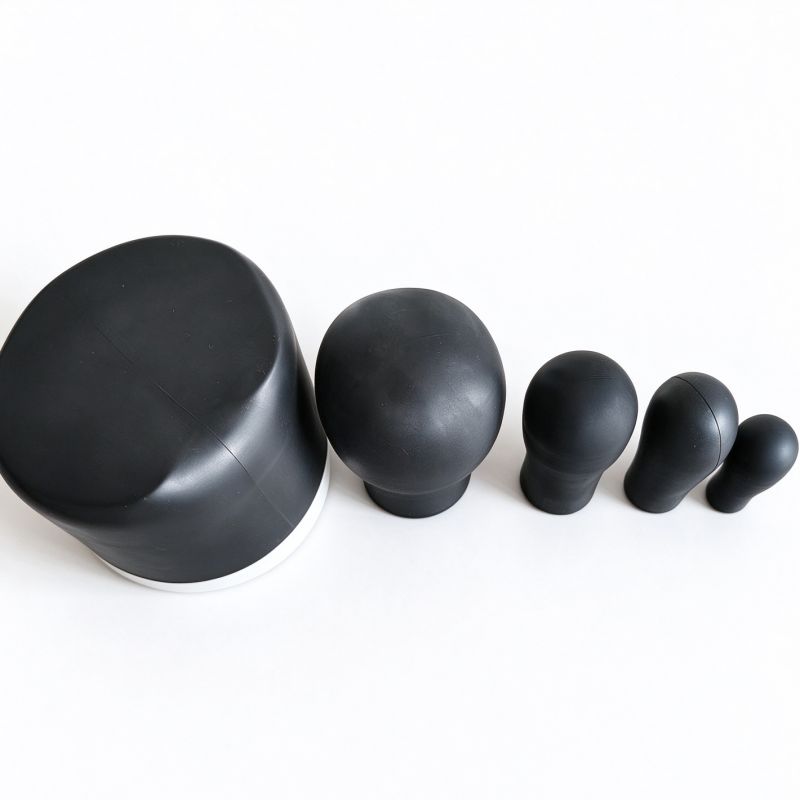
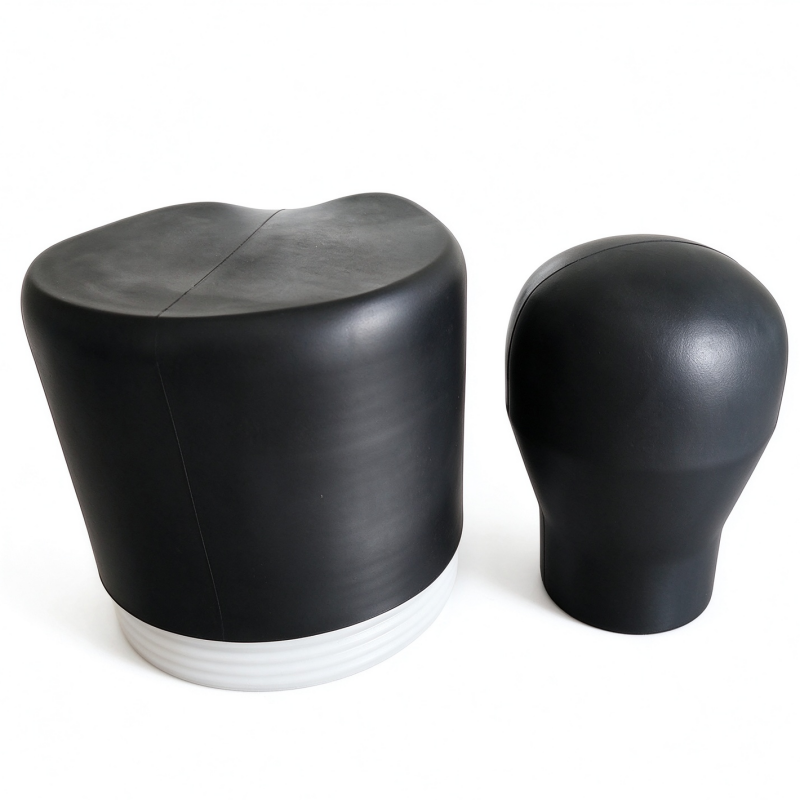
Selection of EPDM Cold Shrink Cable End Caps.
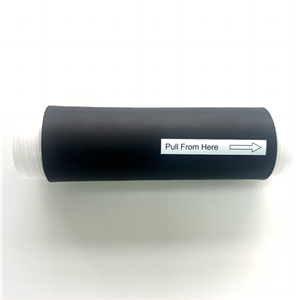
EPDM has good elasticity and weather resistance, and is often used in rubber products that need to consider outdoor environmental adaptability. The EPDM cold shrink cable end caps of CCMT adopts a pre-expansion structure, which can shrink after removing the support core without external heating.
| Material | EPDM Rubber |
| Standard Color | Black |
| Tensile Strength | ≥ 8.0 MPa |
| Elongation at Break | ≥ 450% |
| Tear Strength | ≥ 27 kN/m |
| Resistance to Microbial Growth | No Growth Under ASTM G21 Test Conditions |
| Water Absorption | ≤ 5% Weight Gain After Immersion at 90°C |
The above indicators belong to the material performance data, which is not equivalent to the finished waterproof grade or outdoor service life. The actual cable outer diameter, product application scope, temperature requirements and related sealing test data should also be confirmed when purchasing.
Heat Shrinkable End Caps : What Parameters Will Affect the Actual Selection?
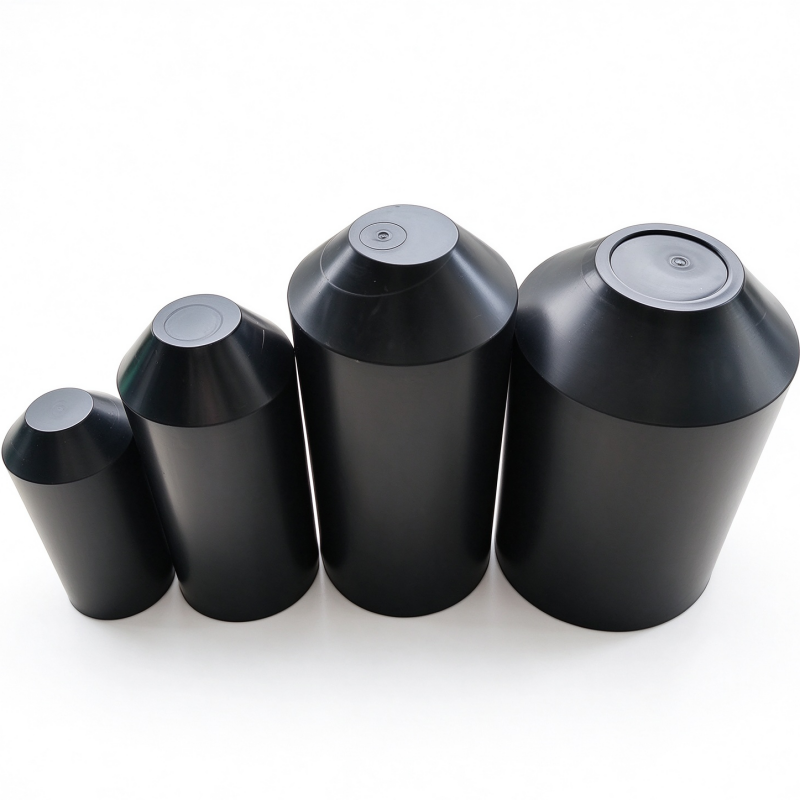
The heat shrinkable end cap is suitable for scenarios where heating installation can be performed and the product shrinkage range matches the cable size. The heat shrinkable end caps of CCMT use PE heat shrinkable material to help protect the cable end by heating shrinkage and reduce the risk of water, dust and other pollutants entering.
It is recommended to focus on the following four items when purchasing:
1. Size before and after shrinkage.
The end cap needs to be smoothly inserted into the cable end before shrinkage, and properly bonded to the target part after proper heating. It is not possible to judge whether the product is applicable only based on the inner diameter before shrinkage, nor to infer its maximum shrinkage capacity in the absence of data.
2. Shrinkage temperature and installation method.
Different heat-shrinkable materials and product structures may correspond to different heating requirements. The shrinkage temperature, applicable heating tools and specific installation procedures should be confirmed when purchasing. Excessive heating or uneven local heating should be avoided during installation to avoid affecting the end cap or cable sheath.
3. Whether there is a hot melt adhesive layer.
Some heat-shrinkable end caps adopt a built-in hot melt adhesive structure. During the heating process, the adhesive layer can assist in filling the gap between the end cap and the cable surface. The purchaser shall clarify the required structure and confirm the compatibility of the adhesive layer with the cable sheath, and whether the model has a sealing test basis that meets the requirements of the project.
4. Use scenarios and protection requirements.
If the product is used for storage, transportation or temporary protection of the end after cable production, the corresponding protection requirements should be clarified. For mass production and repeated procurement, unifying the end cap model, installation process and acceptance criteria helps to reduce operational differences and simplify subsequent replenishment and quality management.
Pre-Purchase Inspection List:
Before asking the supplier, it is recommended to prepare the following information:
· Cable type, sheath material and actual outer diameter.
· The required size and coverage length of the end cap.
· Heat shrink or cold shrink installation.
· Use environment and sealing requirements.
· Purchasing quantity, sample requirement and delivery plan.
· Material specifications and test reports required for the project.
Clarifying this information in advance helps to narrow the scope of selection, reduce size mismatches and bulk procurement risks.
FAQ:
1. What is better for heat shrinkable end cap and cold shrinkable end cap?
The heat shrinkable end cap is suitable for an environment where heating is allowed ; the cold-shrinkable end cap is suitable for scenarios that want to avoid external heating. There is no better choice between the two. The final choice should be combined with size, construction conditions and protection requirements.
2. How to determine the end cap size?
The actual outer diameter of the cable installation position should be measured and checked with the applicable scope specified by the product, not only based on the cross-sectional area of the conductor.
3. Is EPDM cold-shrinkable end cap suitable for outdoor use?
EPDM has good weather resistance, but the specific applicability still needs to be judged in combination with product design, environmental conditions and related test results.
Conclusion:
The selection of heat shrinkable end cap and cold shrinkable end cap mainly depends on cable size, installation conditions and environmental protection requirements. Confirming this information before purchasing and verifying the suitability through sample testing will help to improve the accuracy of procurement.
CCMT provides heat shrinkable end caps and cold shrink cable end caps products, welcome to provide cable diameter, application environment and purchase quantity, in order to further confirm the applicable specifications.
Contact CCMT for Cable Accessory Solutions
Have questions about our cable accessories or need customized product specifications? Contact our team for product details, technical support, and a tailored quotation.
Get in touch with CCMT for product inquiries and technical assistance.