How Do the Materials and Properties of Heat Shrink Tubings Influence the Procurement Process?
In the field of electrical insulation and wire harness protection, different thin-walled heat-shrinkable tubes may have different material formulations and performance indicators even if they have similar appearance. Therefore, the purchase can not only focus on size and price, but also need to determine whether the material is suitable for the actual working environment, and whether the product can maintain the necessary protective performance in the long-term use.
Taking polyolefin thin-walled heat shrinkable tubes as an example, material structure, mechanical strength, electrical insulation ability and heat aging resistance are all important factors affecting procurement decision-making.
The Material Type Determines the Basic Properties of the Product.
Common materials of heat shrink tubings include polyolefins, PVC and fluoropolymers. Different materials differ in flexibility, temperature resistance, electrical properties and chemical resistance.
Among them, crosslinked polyolefin is one of the commonly used materials in the field of wire and cable insulation protection. Through the cross-linking process, the material forms a relatively stable molecular network structure, so that it can maintain its morphology after heat shrinkage, and has certain mechanical strength and electrical insulation properties.
When purchasing, it is recommended to pay attention to three aspects:
· Flexibility: Whether it can meet the installation requirements of wire bending and connector transition parts.
· Temperature resistance: whether it can withstand the heat generated by the operation of the equipment and the change of ambient temperature.
· Chemical resistance: whether it is suitable for environments that may be exposed to oils, detergents or other industrial media.
Electrical Performance : Pay Attention to Insulation Ability and Test Conditions.
Thin-walled heat shrinkable tubes are commonly used for insulation protection of wire connections, terminals and harnesses, so electrical performance is an important indicator in procurement evaluation.
· The dielectric strength reflects the ability of the material to withstand the electric field without breakdown, usually expressed as kV / mm. This index is helpful to evaluate the insulation performance of the material itself, but it cannot be directly equivalent to the long-term operating voltage of the product.
· The voltage withstand performance is used to determine whether the product breaks down within the specified voltage and test time. For example, some products use 2000V / 60s test conditions to evaluate their insulation performance.
· The volume resistivity reflects the ability of the material to hinder the passage of current, and it is also an important reference for evaluating the performance of insulating materials.
When purchasing, we should not only compare the numerical value, but also check the test method, sample thickness and determination conditions to ensure comparability between different products.
Mechanical Properties: Tensile Strength and Elongation at Break Are Equally Important.
Heat-shrinkable pipes may be subjected to bending, pulling and mechanical friction during installation and use. Therefore, tensile strength and elongation at break are two indicators worthy of attention.
· Tensile strength: Reflects the ability of the material to withstand tensile stress.
· Elongation at break: It reflects the degree of elongation that can be produced before the material breaks.
For example, CCMT 's heat shrink tubings have tensile strength ≥ 10.4 MPa and elongation at break ≥ 200 %. These data can help buyers understand the basic properties of the material. Combined with the actual installation method, bending requirements and use environment, the selection of products is comprehensively judged.
Thermal Aging Properties Affect Long-Term Performance.
For automotive wiring harness, electrical equipment and industrial control systems, heat shrinkable tubes may be in a high-temperature environment inside the equipment for a long time. Continuous heating may lead to hardening, embrittlement or decreased mechanical properties of materials. Therefore, in addition to paying attention to the normal working temperature, the purchase should also understand the thermal aging test results.
Taking heat shrink tubings of CCMT as an example, the thermal aging test conditions were 158 °C and 168 hours. The tensile strength after aging was ≥ 7.3 MPa, and the elongation at break was ≥ 100 %. This kind of data reflects the performance retention of the material after the specified high temperature treatment.
What Performance Needs to Be Checked Before Bulk Purchasing?
Different applications have different performance requirements for thin-walled heat-shrinkable tubes. For example, automotive wiring harnesses need to pay attention to temperature resistance, mechanical properties and vibration environment. Internal wiring of electronic equipment may pay more attention to insulation performance, flexibility and installation space.
Prior to bulk purchasing, it is recommended to focus on the following:
| Key Parameters | Key Evaluation Points for Procurement |
| Material Type | Whether it is suitable for the actual operating environment. |
| Dielectric Strength | Whether it meets the insulation requirements. |
| Voltage Withstand Performance | Verify the test voltage and duration. |
| Tensile Strength | Evaluate the mechanical load-bearing capacity. |
| Elongation at Break | Evaluate the material's extensibility. |
| Thermal Aging Performance | Understand changes in mechanical properties after aging. |
| Operating Temperature | Whether it is suitable for the actual operating environment. |
| Certifications and Test Reports | Whether they comply with the standards applicable to the project. |
For long-term procurement projects, attention should also be paid to the performance consistency between different batches. Through technical data sheet review, sample testing and batch sampling, differences in materials or processing can be found in advance, and subsequent production risks can be reduced.
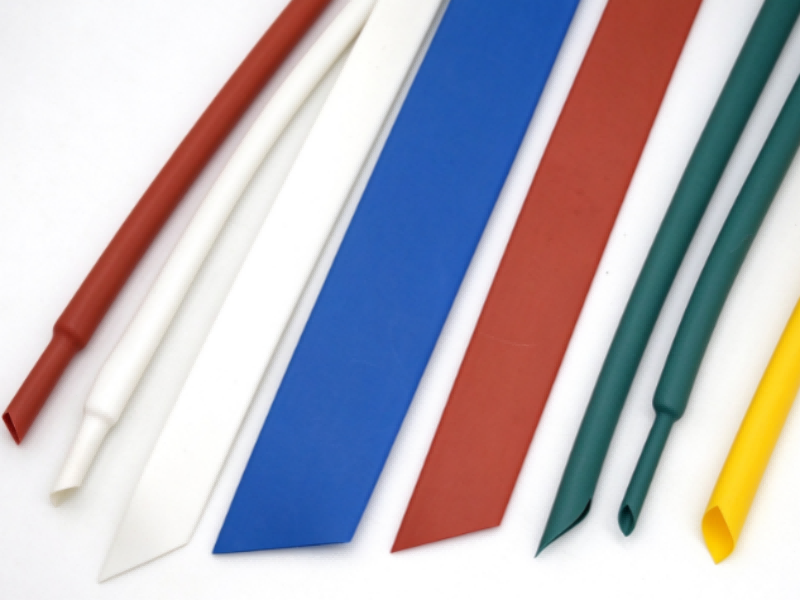
The material and performance of the thin-walled heat shrinkable tube determine which working environment it can adapt to and what kind of insulation and mechanical protection it can provide. Crosslinked polyolefins are widely used in the protection of wire and cable and electronic components due to their electrical insulation properties, mechanical strength and thermal shrinkage characteristics.
Purchasers should not only compare product prices or single performance parameters, but also comprehensively evaluate material types, electrical properties, mechanical properties and thermal aging performance, and conduct sample verification in combination with practical applications. Before bulk purchasing, it is recommended to check the complete technical data sheet and test report, which can help to judge whether the product meets the project requirements and reduce the quality risk in subsequent assembly and use.
FAQ:
1. Why do heat shrink tubings often use cross-linked polyolefin materials?
Cross-linked polyolefins have excellent electrical insulation properties, mechanical strength and thermal shrinkage characteristics, which are suitable for a variety of wire and cable protection scenarios.
2. Does the higher the dielectric strength of the thin-walled heat-shrinkable tube, the better?
Higher dielectric strength usually represents stronger material breakdown resistance, but the actual insulation effect is also related to wall thickness, installation quality and operating conditions.
3. What can thermal aging test explain?
It can evaluate the changes of tensile strength, elongation at break and other properties of the material after the specified temperature and time treatment, but it cannot directly represent the actual service life.